
REVIEW · KAMPALA WALKING TOURS
Kampala Walking City Tours (Women Guided)
Kampala can feel loud, fast, and unfamiliar. This women-guided walking tour turns that chaos into a clear route through the city’s main cultural stops. I like two things right away: the women-focused mission behind the experience and the fact that you cover top sights on foot with an insider guide. One catch to plan for, the sights include places of worship and busy markets, so you’ll want the right clothing and a bit of patience for crowds and noise.
You can choose a departure time, and pickup is offered if you want it. The tour runs about 3 hours 50 minutes, and bottled water is included, which matters when you’re walking in Kampala’s heat. A good note from past participants is that guides can adapt if you’re running late, like one guide named Sarah who helped someone squeeze the route in when they had to rush to the airport.
The route includes a major mosque where modest dress is required, with arms, legs, and head covered. If that sounds like a hassle, this tour is still very doable, just bring a light scarf or plan to borrow what you need before you arrive. Also, it depends on good weather, so keep an eye on conditions for the day you book.
In This Review
- Key things to know before you walk Kampala
- Kampala’s big-picture mix, mosques, markets, and monuments
- The women-guided mission, and why it changes the feel of the walk
- Getting around on foot, and where the route is practical
- Gaddafi National Mosque (Uganda National Mosque): dress code and city views
- Kisenyi neighborhood walk to Owino Market: everyday Kampala, up close
- Old Taxi Park: transportation chaos, plus a snack stop
- Temple SSDM Shree Sanatan Dharma Mandal: Hindu worship and a quieter change of pace
- Nakasero Market: food, crafts, and bargaining practice
- Independence Monument and the World War II Memorial: pause for context
- Gorilla Bookings: links to Uganda’s gorilla tourism story
- Bagala Craft Market: handmade souvenirs with a human angle
- Where the 3 hours 50 minutes goes, and how to plan for comfort
- Price and value: $34.88 for a guided route that saves time
- Should you book this women-guided Kampala walking tour?
- FAQ
- How long is the Kampala Walking City Tour (Women Guided)?
- Is pickup included in the tour price?
- What is included in the price?
- Which stops include admission tickets?
- Does this tour run in any weather?
- What is the cancellation policy?
Key things to know before you walk Kampala

- Women-guided, community-minded: you’re supporting a local women’s empowerment project while moving through the city.
- A tight, walkable route: major stops are grouped close enough that you spend more time seeing Kampala than commuting.
- Modest dress at the mosque: cover arms, legs, and head for the Uganda National Mosque visit.
- Markets with real Kampala energy: Owino Market and other stops are loud, busy, and built for bargaining.
- Admission varies by stop: the mosque admission ticket is not included, while many other stops include admission.
- Guides handle time pressure: Sarah in particular is reported to be flexible when schedules get tight.
Other Kampala walks, guide by guide
- Kampala’s Best Experience walking tour
★ 5.0 · 137 reviews - Kampala Walking City Tours (Women Guided)
★ 5.0 · 115 reviews - Kampala Walking Tour (3 Hours) with Optional Gaddafi Mosque Visit
★ 5.0 · 112 reviews - Kampala: City Guided walking sightseeing Tour
★ 4.7 · 52 reviews
Kampala’s big-picture mix, mosques, markets, and monuments
This is the kind of tour that helps you understand a city, not just see postcards. In under four hours, you get a mash-up of faith spaces, markets, a transport hub, and national history. It’s a practical way to orient yourself, especially if you’re a solo traveler looking for a safer, more guided introduction.
What makes it work is the variety. You start at one of Kampala’s standout mosques and then move into neighborhood life with markets and craft areas. Later you slow down with major monuments and memorials. The whole point is to help you connect the dots between daily commerce, community culture, and national identity.
The women-guided mission, and why it changes the feel of the walk
The tour is women guided, and it’s also tied to supporting a local women’s empowerment project. That matters because it changes how the day feels. Instead of just chasing sights, you’re walking with a purpose.
I also like that it’s not only about a mission statement. The guide’s job is to explain what you’re looking at and how to navigate it. A good example from past experiences: when someone arrived late, the guide Sarah adjusted the timing and still helped them see everything, just faster because they had an airport to catch.
If you’re traveling as a woman, this kind of structure can be a confidence boost. If you’re traveling with friends or as a couple, it still offers value because the route and pace are designed to be manageable while keeping you close to the most meaningful stops.
Getting around on foot, and where the route is practical
You’re walking, but this isn’t a hardcore trekking day. Based on what people appreciated, you cover a decent amount of ground while keeping the overall effort reasonable, with lots of nearby attractions to keep things interesting between major points.
The tour includes bottled water, which is helpful, and it’s nice to know you’ll have at least one thing handled during the walk. You’re also issued a mobile ticket, so you’re not juggling printed vouchers.
One practical consideration: the tour is said to work for most travelers, and it’s near public transportation. That’s useful because Kampala can throw curveballs. If you need to regroup or get back to your base quickly, you’re not totally cut off.
And remember, pickup is offered, but pickup and drop-off fees are not included in the tour price. So if you’re thinking about meeting at a convenient pickup point, factor in those extra charges.
Seeing Kampala on wheels instead


Gaddafi National Mosque (Uganda National Mosque): dress code and city views
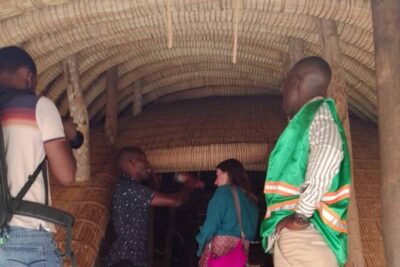
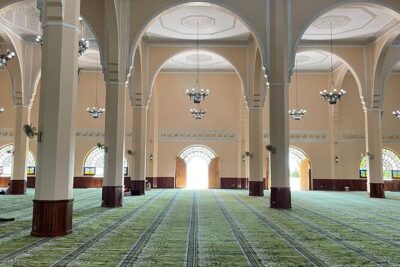
You’ll begin at the Gaddafi National Mosque, which is also known as the Uganda National Mosque. It’s described as one of the largest mosques in Africa, and the architecture is part of the experience. Expect domes and minarets, with intricate Arabic calligraphy and patterned details that are easier to notice when you’re not rushing.
This stop comes with a key practical rule: modest dress is required. That means arms covered, legs covered, and head covered. If your day plan includes museum-style sightseeing, you’ll be fine. If you’re arriving straight from a beachy, sleeveless morning, bring a scarf and something light but covering.
There’s also a payoff for sticking with the rules. The mosque offers stunning views of Kampala, and the guided tour format helps you learn the Islamic faith and local culture behind what you’re seeing.
One more note: the mosque admission ticket is not included in the tour price. So if you want to avoid any surprises, carry a little extra cash or confirm how you’re meant to pay on arrival.
Kisenyi neighborhood walk to Owino Market: everyday Kampala, up close
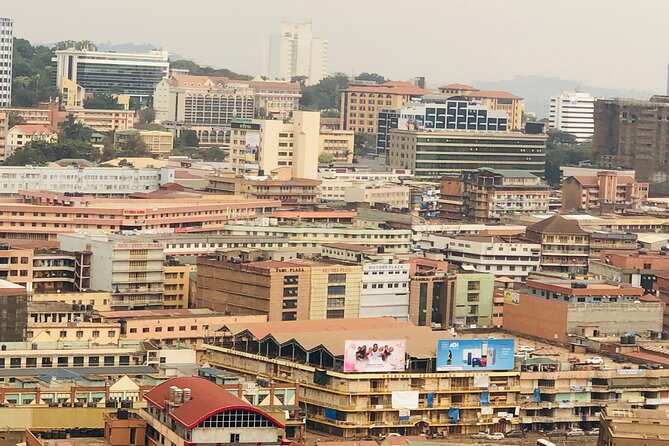
After the mosque, you head into neighborhood life around Kisenyi. Kisenyi is known for its busy markets where people haggle for fresh produce, fabrics, and local crafts. It’s also a place where you’ll see a mix of religions, and interacting respectfully with locals is part of what makes the walk feel real.
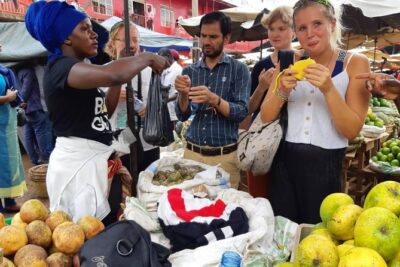
Then you move into Owino Market. This is one of Kampala’s major commercial hubs, and you’ll feel it immediately. You can expect vendors selling clothing, shoes, electronics, jewelry, crafts, and fresh produce. The market is loud by nature, with sellers calling out and shoppers bargaining.
How to enjoy this stop without getting overwhelmed:
- Keep your pace slow for the first few minutes, then you’ll get the rhythm.
- Treat bargaining as a conversation, not a fight. If you don’t feel like negotiating, it’s okay to just look.
- If you’re focused on photos, ask first, because the environment is close and personal.
Owino Market admission is included on this tour, which is a nice value detail.
Old Taxi Park: transportation chaos, plus a snack stop

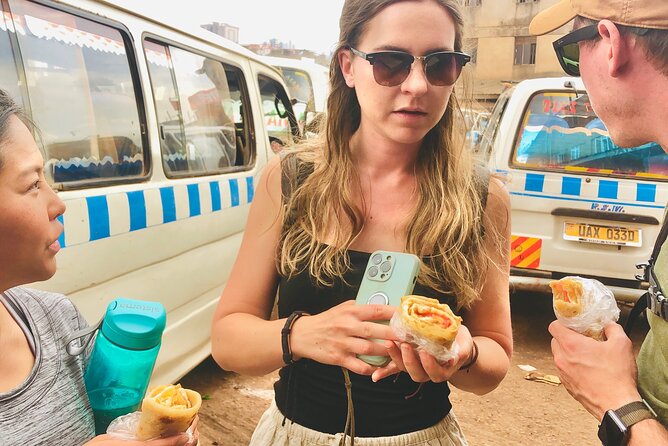
Old Taxi Park is described as a major transport hub in Kampala’s city center. Expect buses, taxis, and minibuses moving in and out, plus people rushing to reach their destinations. It’s the kind of place where the city’s energy shows up fast.
There’s also a practical layer here. Street vendors sell snacks and drinks, and you’ll see kiosks and shops offering services and small items. If you’re hungry, this is a reasonable place to grab something quick while you’re still in the city center.
One specific detail that sticks: a past participant mentioned getting a Rolex from the Taxi Park. That’s a common street-food choice in Uganda, and the fact that someone thought of it during the tour tells you this stop is timed like a real-life break, not just a photo moment.
Admission at Old Taxi Park is included.
Temple SSDM Shree Sanatan Dharma Mandal: Hindu worship and a quieter change of pace
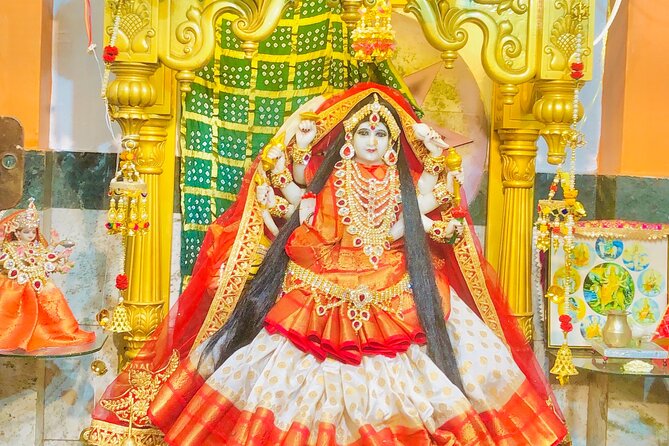
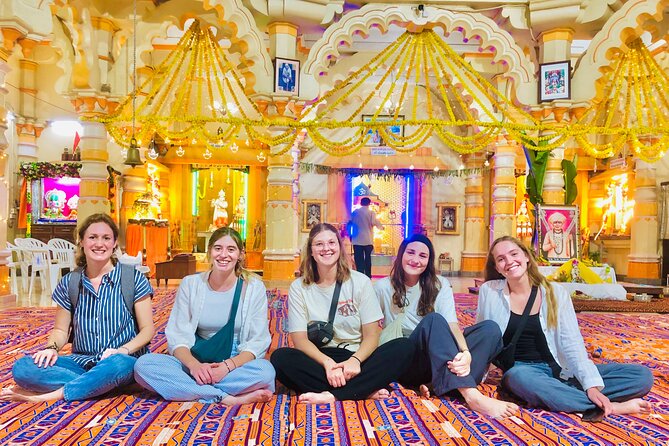
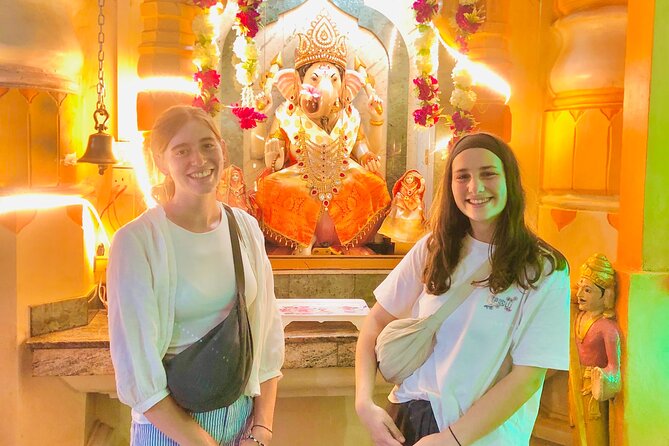
Next up is Temple SSDM Shree Sanatan Dharma Mandal. This stop shifts the mood. Instead of markets and transit noise, you’re visiting a Hindu temple with deities and prayers, and the tour also highlights a library and an authentic Indian restaurant.
That combination matters. You’re not only seeing religious practice, you’re getting context for how the temple functions as a cultural center. If you’re the kind of traveler who likes learning how communities organize themselves, this is a strong stop.
Practical note: like many places of worship, keep your behavior respectful and follow any instructions from staff and your guide. Even if you’re used to temples in other countries, rules can vary.
Admission is included here.
Nakasero Market: food, crafts, and bargaining practice
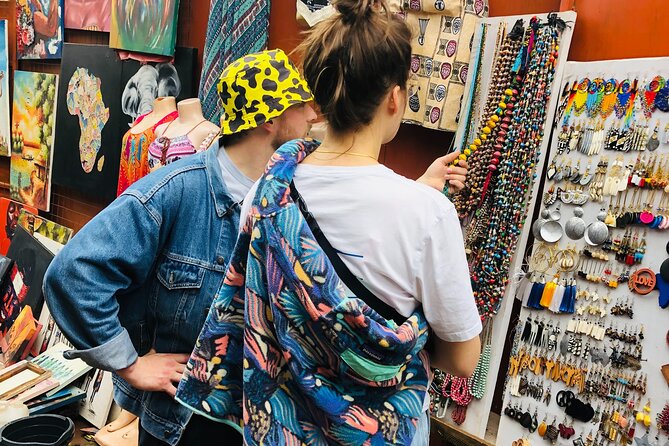
Nakasero Market is another big shopping stop, with fresh produce like fruits, vegetables, and meats, plus handmade crafts and clothing. It’s a place where you can pick up small gifts and also people-watch.
This stop includes a food angle too. The tour description points to street food options such as roasted maize or cassava chips. Even if you don’t buy anything, it’s a good place to see what locals actually eat on a normal day.
Because markets are market rules, expect bargaining sounds and a constant flow of movement. If you’re sensitive to noise, keep your time in the market focused. Look, choose, and then step away to cool down.
Admission is included at Nakasero Market on this tour.
Independence Monument and the World War II Memorial: pause for context
After the commercial stops, you get two history-heavy landmarks that slow the pace.
At the Independence Monument, you’ll see a towering structure symbolizing Uganda’s struggle for independence and reflect on the country’s ongoing journey. This works best if you let the guide explain what the monument represents instead of treating it like a quick photo stop.
Then there’s the World War II Memorial. The tour frames it as a monument reflecting what happened during World War I and World War II in Europe, with time for questions. I like this combination because it gives you global context without leaving Kampala. It also helps explain how international events get remembered locally.
Both stops have admission included.
Gorilla Bookings: links to Uganda’s gorilla tourism story
One stop that feels a little different is Gorilla Bookings. The description connects the tour to Uganda’s mountain gorilla tourism and includes a language detail: Rugahinga is a Lukiga word meaning a sleepy fellow, referring to one of the great mountain gorillas that became part of habituated gorilla tourism in Uganda.
So even though you’re not going into the forest on this walk, you’re still touching the wider Uganda story. It’s a useful bridge if you’re planning a safari or gorilla tracking later in your trip, because it puts the concept of habituation and gorilla tourism into a Kampala context.
Admission is included at this stop.
Bagala Craft Market: handmade souvenirs with a human angle
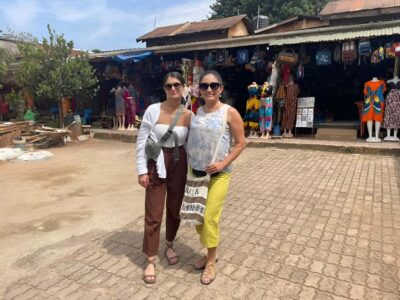
You finish with Bagala Craft, a craft market where you’ll find handmade items such as pottery, jewelry, textiles, wood carvings, and other traditional handicrafts. Craft markets are often where you can get souvenirs that feel connected to real skills, not just mass-produced copies.
What I like about this stop is that it gives you a reason to slow down near the end. After markets and monuments, you’re ready to browse. If you want something small and meaningful, this is a smart place to shop.
Keep in mind that the quality and focus of craft markets can vary from day to day, and your interests should guide your choices. If you love ceramics, look for pottery. If you like wearable items, check jewelry and textiles first. Your guide can also help you figure out what’s local and what’s a good buy.
Admission is included at Bagala Craft.
Where the 3 hours 50 minutes goes, and how to plan for comfort
The tour runs about 3 hours 50 minutes. Within that, the main mosque stop is around 40 minutes, Owino Market about 35 minutes, and other stops typically land in the 15 to 25 minute range.
That pacing is part of the value. You get enough time to see and ask questions at the most important places, but not so much time that you feel stuck somewhere during heat or noise. The route is designed so you can keep moving and keep learning.
For comfort, aim for:
- Comfortable walking shoes. You’ll be on your feet through markets and across city sidewalks.
- Light layers, because religious sites can have rules and the weather can swing.
- A head covering and something modest for the mosque visit.
Also, the tour requires good weather. If the day is rough, the tour may be canceled or rescheduled, and you should be ready for that.
Finally, this experience has a maximum of 1,000 travelers. That doesn’t tell you your exact group size, but it does suggest the provider runs on a structured schedule.
Price and value: $34.88 for a guided route that saves time
At $34.88 per person, this is priced like a budget-friendly intro to Kampala. The value comes from three places.
First, you’re getting a local guide who helps you connect what you see, especially in faith spaces and history stops where it’s easy to miss the meaning on your own. Second, the sights are concentrated. Instead of hopping around Kampala and paying for extra transport time, you’re walking a route that keeps you close to the key areas. Third, you get bottled water included, and most of the stops include admission tickets.
The one value wobble is the Uganda National Mosque admission ticket, which is not included. You can plan for that by setting aside a little extra money. Still, even with that note, the rest of the inclusions and the guided structure keep it reasonable.
Compared to doing the same stops solo, the biggest win is time and confidence. Kampala is a real city with real daily motion. A guided route helps you move through it without second-guessing every turn.
Should you book this women-guided Kampala walking tour?
Book it if you want a safe-feeling way to orient yourself in Kampala, especially if you’re traveling solo and you like the idea of walking with a women-guided team. It’s also a strong choice if you want a mix of cultural sites and everyday city life in a short window.
Skip it or reconsider if you hate crowds, noise, and bargaining environments. Markets like Owino and Nakasero are active and can be intense. Also, if modest dress is a dealbreaker, you’ll need to plan clothing before you go, since the mosque requires covering arms, legs, and head.
If you’re planning other Kampala sights later, this tour can serve as your foundation day. You’ll come away with a better sense of neighborhoods, major landmarks, and the city’s cultural balance.
FAQ
How long is the Kampala Walking City Tour (Women Guided)?
The tour duration is about 3 hours 50 minutes.
Is pickup included in the tour price?
Pickup is offered, but the price does not include pickup and drop-off fees.
What is included in the price?
Bottled water is included. A mobile ticket is also provided.
Which stops include admission tickets?
Admission ticket inclusion varies. The Uganda National Mosque admission ticket is not included, while admission is listed as included for several other stops such as Owino Market, Old Taxi Park, Independence Monument, and more.
Does this tour run in any weather?
This experience requires good weather. If it is canceled due to poor weather, you will be offered a different date or a full refund.
What is the cancellation policy?
You can cancel for a full refund up to 24 hours in advance. If you cancel less than 24 hours before the experience starts, the amount paid is not refunded.
The Rest of the Uganda File


Kampala Without the Walking
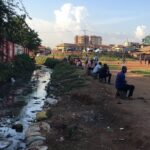
Kampala on Foot, Guide by Guide

Other Uganda trips we have written up
- 7-Day Uganda Adventure Safari – Midrange Lodges★ 5.0 · 3 reviews
- 5 days gorillas and chimpanzee tracking★ 4.5 · 3 reviews
- A Thrilling 1-Day Rhino Tracking Tour in Uganda★ 5.0 · 3 reviews
- 3 Days Murchison Falls Wildlife Safari★ 4.5 · 3 reviews
- 10 Day Gorilla Chimps and Big 5 Safari★ 5.0 · 3 reviews
Kampala Walking Tours, compared.
 ★ 5.0Kampala’s Best Experience walking tourFrom $33137 reviews
 ★ 5.0Kampala Walking Tour (3 Hours) with Optional Gaddafi Mosque VisitFrom $32112 reviews
 ★ 4.7City Guided walking sightseeing TourFrom $2252 reviews
 ★ 5.0Inside Kampala Walking Tour (Female Guided)From $2552 reviews
 ★ 5.0Kampala Heart of Walking AdventureFrom $2643 reviews
★ 5.0Inside Kampala walking tour (Female guided)From $3540 reviews
★ 5.0Kampala Heart of Walking AdventureFrom $2643 reviews
★ 5.0Inside Kampala walking tour (Female guided)From $3540 reviews
 ★ 5.0Free Female Guided Walking Tours Kampala (3 Hours)From $3025 reviews
 ★ 5.0Kampala’s walking city Tour ExperienceFrom $4018 reviews
Browse the lists this tour appears in