
REVIEW · KAMPALA CITY TOURS
Kampala City Tour – Half Day
Kampala hits you fast. In one day, you get a guided loop through major landmarks plus spots that show how daily life, religion, and power overlap in the city, including multi-faith stops and UNESCO Kasubi Tombs.
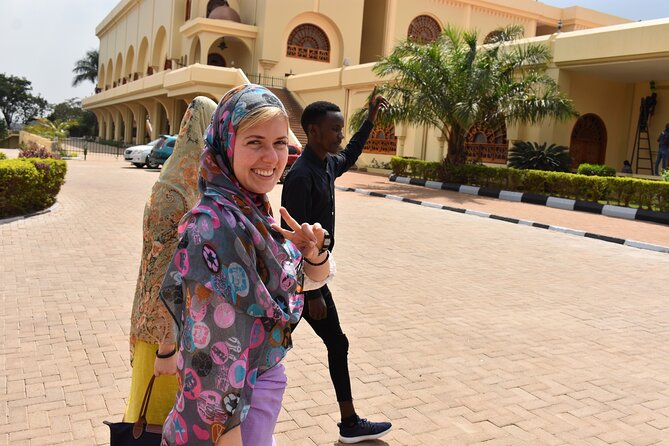
I love the way guide Mathew (when you get him) turns Ugandan history into something you can actually picture, with energy and patience. I also like the practical comfort perks: a Wi-Fi-equipped A/C vehicle, hotel transfers, mineral water, and you even leave with a route map and souvenir photos.
One thing to plan around: the Baha’i Temple is closed on Mondays, and the Uganda Museum is under renovation (opening late 2025), so the last part of your route may shift depending on timing.
In This Review
- Key points at a glance
- What you’re really buying for $215 per person
- Your ride, your comfort, and the start time that matters
- Kampala CBD and the up-town monuments stop you’ll remember
- Nakasero Market: spices, textiles, and a smart cultural mix
- Kabaka’s Palace and the Buganda trail that explains power
- Gaddafi National Mosque: the climb and the 7 Hills view
- Kasubi Tombs UNESCO stop: spirituality you can feel in the rules
- Makerere University: a short drive-by that adds real context
- Baha’i Temple on Kikaya Hill: the African sole temple and Monday closure
- Uganda Museum and the late-2025 renovation reality
- How to get the most from the guide in 6 to 7 hours
- Who this Kampala tour suits best
- Should you book this Kampala City Tour?
- FAQ
- How long is the Kampala City Tour?
- Is pickup and hotel transfer included?
- What does the tour include besides sightseeing?
- What entrance fees are included?
- Is lunch included?
- Is the Baha’i Temple open every day?
- What’s happening with the Uganda Museum?
Key points at a glance
- Private group with an English-speaking driver-guide, so you can ask questions without juggling a crowd
- A/C, Wi-Fi-equipped 4WD transport with a designated window seat, good for a long half-day stretch
- Entrance fees are included for the planned sites, plus mineral water during the tour
- Real variety in stops, from Kabaka’s Palace and Kasubi Tombs to Nakasero Market and multiple places of worship
- Built-in schedule notes: Baha’i Temple Mondays close, and the Uganda Museum renovation can affect where you finish
Seeing Kampala on wheels instead
- Kampala Walking City Tours (Women Guided)
★ 5.0 · 115 reviews - Half day Kampala City Motor Bike Tours
★ 5.0 · 29 reviews - Kampala’s walking city Tour Experience
★ 5.0 · 18 reviews - Kampala cultural tours
★ 5.0 · 17 reviews
What you’re really buying for $215 per person
This is marketed as a half-day tour, but the timetable is closer to a full 6 to 7 hour circuit. For $215 per person, you’re paying for three things that add up fast in real life: door-to-door hotel transfers, guided access to multiple major sights, and admission fees at those stops.
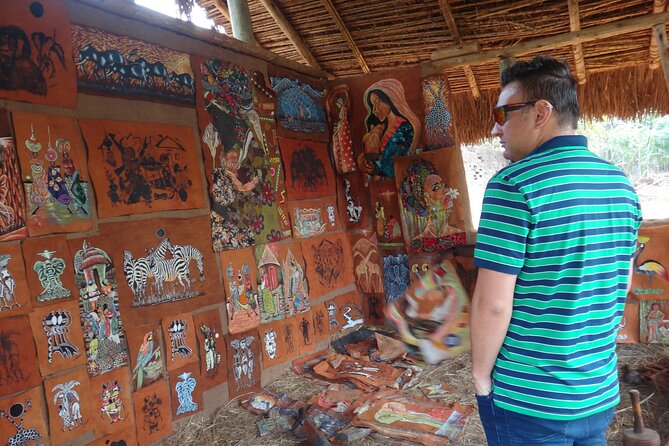
You also get added value extras that help you make the day feel complete. You’ll get a route map and souvenir photos after the tour, and mineral water is included, so you’re not spending mental energy on basic logistics mid-day.
If you like structure, this tour gives it. It starts in Kampala’s CBD and works up-town, then drops into cultural and religious sites, so you see more than just one neighborhood.
Your ride, your comfort, and the start time that matters
The tour uses a 4WD minibus with fueling, and it’s equipped with Wi-Fi and A/C. You’ll have a designated window seat, which matters in Kampala because the ride can be full of street activity and quick changes in scenery.
Pickup is offered, and hotel transfers are included, so you avoid the usual hassle of figuring out where to meet once you’re already tired. Start time is 8:30 am, which is helpful because the day’s heat and traffic tend to build later.
One more practical detail: the tour is private, meaning only your group participates. That usually makes it easier to keep the pace smooth, especially when you’re dealing with sites that have their own rules and timing.
Kampala CBD and the up-town monuments stop you’ll remember
You begin in Kampala CBD and then move into up-town Kampala sights, driven past key civic and national landmarks. This part is less about ticket lines and more about orientation, because it shows you what Kampala uses as anchors, from government to central banking to memorials.
On the up-town route, you’ll pass the Independence Monument, the Mutesa II Monument, and the World War II Monument. You’ll also see the Parliamentary Building and Bank of Uganda, which has been operating since 1966.
Keep an eye out for the Uganda National Cultural Centre (since December 1959) and the Kampala Capital City Authority HQs. Even from the vehicle, these stops help you connect the city’s story: independence, governance, culture, and the modern institutions that grew around all of that.
If you like photo stops, this is a good section for quick stops or window shots, because the sites are high-visibility.
Other Ugandan city outings
Nakasero Market: spices, textiles, and a smart cultural mix
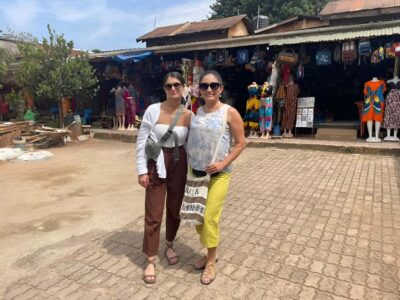
After the up-town drive, you head to Nakasero Market. It’s described as a major hub for spice and textile stalls, and it’s also part of a longer story, since the market was established in 1895, first at Lubiri, and later moved to its current city-center location in 1905.
This stop also gives you cultural layering beyond shopping. You’ll see Hindu temple presence in the area, including Shree Swaminarayan Mandir, along with other cultural sites.
The practical upside is that Nakasero gives you both senses of Kampala in one go. You can browse market energy, then relate it to the broader city themes you’ve just seen on the monuments route.
The only “consideration” here is simple: markets take time and energy. If you know you want specific items, go with a short list, because otherwise you can get pulled in a dozen directions fast.
Kabaka’s Palace and the Buganda trail that explains power
Kabaka’s Palace is one of the stops where the tour feels like more than sightseeing. You’re in Buganda Kingdom territory, and the visit is built around understanding the royal context of the area.
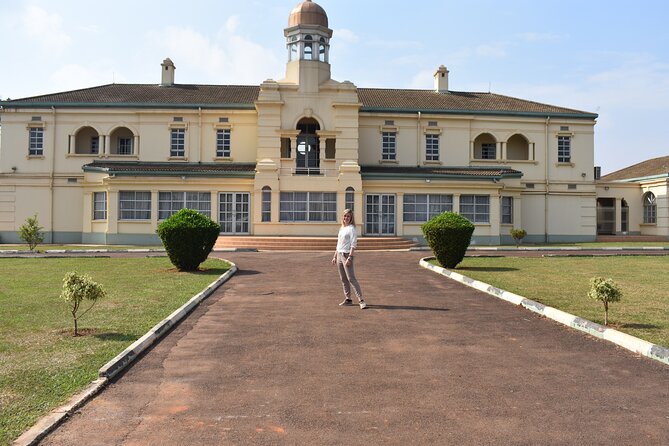
You’ll visit the Kabaka’s Palace, see Idd Amin’s Armory (including a historical machine gun), and explore Buganda’s history through palace pictorials. There’s also a drive past Kabaka’s Lake, which gives the palace grounds a sense of place instead of just being another building you’ve seen.
The route also includes specific Buganda trail features like the Nantawetwa monument. The key detail here is that it was built exclusively for the King and only opened when the King is being driven from the palace to Buganda Parliament. That’s the kind of story that makes you understand the symbolism of the architecture, not just the visuals.
As part of the Royal Mile experience, you’ll also sightsee Bulange (Buganda Parliament), Kabaka’s monument, Zakaria Kisingiri House, and Buganda clan symbols. Admission is included here, and the time at the stop is about 1 hour, which is a comfortable amount to absorb without feeling rushed.
If you want to get more from this stop, ask your guide to connect what you’re seeing to how Buganda leadership shaped Kampala’s development. That context is exactly where a good guide earns their keep.
Gaddafi National Mosque: the climb and the 7 Hills view
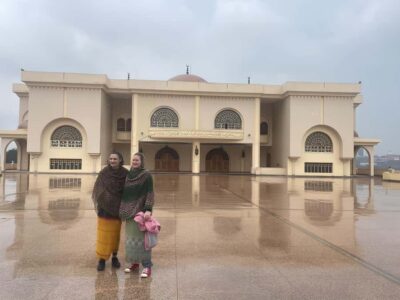
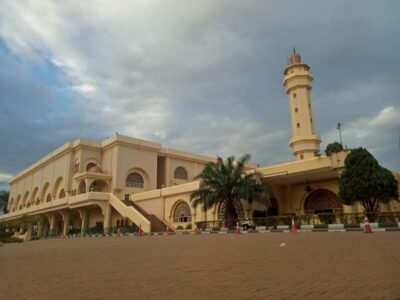
Gaddafi National Mosque is a major contrast stop in the best way. You drive through the 1980s-era Kampala area and then stop at the mosque, described as a gift to Uganda from the late Col. Muammar Gadhafi.
You get time to climb up the tower, also referred to as a minaret, for a 360-degree bird’s-eye view. From up there, you’ll see Kampala’s popular 7 Hills, which turns the city’s geography from a vague idea into something you can point to.
That view also includes Fort Lugard, which dates back to 1800 by Capt. Frederick Lugard, plus Old Kampala Senior Secondary School, which has been around for over 60 years and is noted as a place where Rwanda’s President Kagame once enrolled.
This is also one of the stops where comfort planning matters. Climbing a tower means you should wear shoes that feel secure, and you should be ready for stairs. You have about 1 hour here, and admission tickets are included.
Kasubi Tombs UNESCO stop: spirituality you can feel in the rules
Kasubi Tombs is a UNESCO World Heritage Site and a deeply meaningful stop. It’s a spiritual site for the Baganda, and traditional cultural practices have been preserved there over time.
The tombs serve as burial ground for the previous four Kings of Buganda, which is why the site functions as a cultural center for the royal family. Rituals tied to Buganda culture are held on site, so this isn’t just a history exhibit. It’s a living place of remembrance.
Time-wise, you get about 1 hour, and admission tickets are included. The best way to enjoy this stop is to treat it with quiet focus. Your guide can help translate what you’re seeing into why the place matters, not just what it looks like.
Makerere University: a short drive-by that adds real context

Next up is a drive through Makerere University. Even if you don’t spend time inside buildings, this stop gives you a key piece of Kampala’s identity.
Makerere is Uganda’s largest and oldest university, since 1922, and it’s noted as Africa’s third oldest university. You’ll pass landmarks like the Old University Library established in 1949, the Main Administration Building since 1941, and the Education monument.
Your time here is about 30 minutes, and the admission ticket is free. This part is ideal if you want a quick academic snapshot without turning the day into a campus tour marathon.
Baha’i Temple on Kikaya Hill: the African sole temple and Monday closure
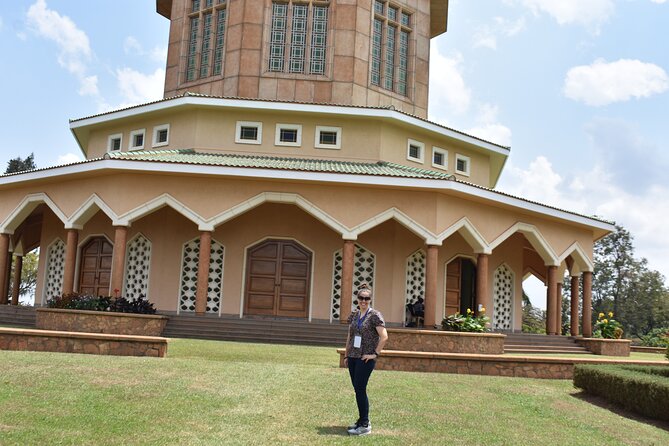
The Baha’i Temple stop is built around a calm pause inside a busy day. You approach Kikaya Hill and then explore the temple and the Baha’i Faith in Uganda.
A standout detail from the tour notes is that this is the Baha’i sole temple in Africa. You’ll be granted access to spend a moment of self-meditation and take pictures in the gardens.
It’s also a stop with a clear scheduling catch: the temple is closed on Mondays. If your travel days are tight, this matters more than you might think, because it can change how your day ends.
Admission is free here, and the stop is about 1 hour. If you want a smoother experience, plan to keep your expectations realistic: this is the one part of the itinerary where you’ll likely want a quieter pace than market and monuments.
Uganda Museum and the late-2025 renovation reality
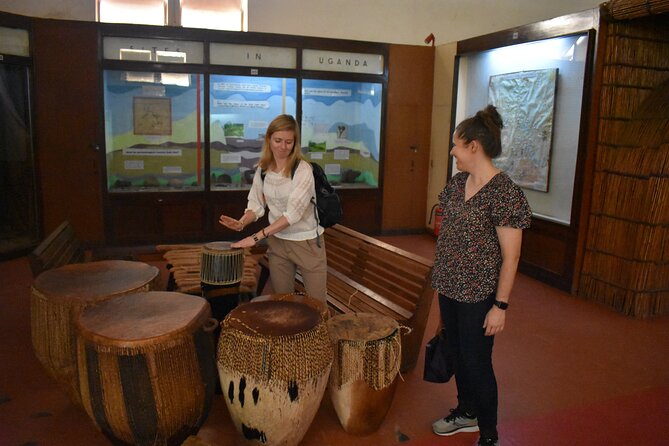
The Uganda Museum is scheduled as the usual end of the tour under normal operations, but there’s an important heads-up. The museum is under renovation and will open late 2025.
Because of that, the tour may temporarily end at the Baha’i Temple and then transfer you back to your hotel. Your time at the museum, when it’s operating normally, is about 1 hour, and admission tickets are included.
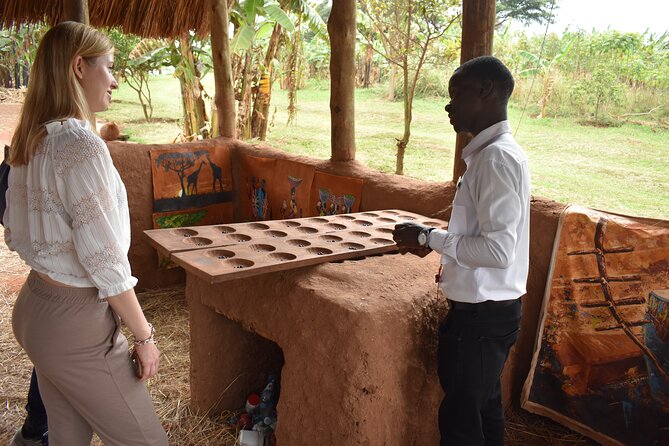
When open, the museum is described as East Africa’s first and oldest, first officiated by the British government in 1908 to its latest site in 1954. It also serves as a summary of Kampala and the rest of Uganda.
So here’s how I’d think about it: the tour gives you enough major stops that you won’t feel like you missed everything even if the museum part is limited. But if museum time is a priority for you, double-check your day plan based on the renovation status.
How to get the most from the guide in 6 to 7 hours
This tour lives or dies on explanation, not just locations. The format is tight, so the guide’s role is to connect the dots quickly.
In the experience with Gazelle Safari Company, guide Mathew comes up in feedback for being patient and energetic, with a clear love for Ugandan history and culture. That matters because a lot of these sites are more meaningful when you understand the background, like how Buganda royal traditions shape the meaning of monuments and tombs.
Here are a few practical ways to help your guide help you:
- Ask for a quick “what should I notice here” before each stop, especially at Kabaka’s Palace and Kasubi Tombs.
- If you’re new to Uganda’s history, say so early. A good guide will adjust the pace and focus.
- Use Nakasero Market as your chance to ask what items mean culturally, not just what they cost.
Also plan for the simple fact that lunch is not included. If you’re doing this mid-day, it’s worth having a light plan for food, since you’ll be moving for most of the day.
Who this Kampala tour suits best
This tour is a strong fit if you want a structured introduction to Kampala without stitching together multiple guides and separate tickets. It’s also ideal if you care about contrast, because you cover seats of power, markets, major religious sites, and a UNESCO cultural site in one run.
It’s best for people with moderate physical fitness. Most stops are manageable, but you may face stairs during the mosque tower climb and some walking around palace and tomb areas.
If you’re traveling solo or as a couple, private format is a real advantage. You get hotel transfers, your own guide rhythm, and a full set of included entry tickets, plus water and those souvenir extras that make it easier to remember the day.
Should you book this Kampala City Tour?
I think you should book it if your goal is a guided, efficient taste of Kampala’s big themes: governance and monuments, Buganda royal traditions, multi-faith Kampala, and a market where everyday life is visible. The included admissions, hotel transfers, and comfort setup make the price easier to justify, especially compared to piecing together transport and entry fees separately.
I’d hold off or adjust your expectations if you’re traveling on a Monday, because the Baha’i Temple is closed. And if the Uganda Museum is a key priority for your trip, keep in mind it’s under renovation until late 2025, and your tour may end earlier at the Baha’i Temple instead.
If you can work around those two schedule issues, this is one of the more practical ways to get your bearings fast and build curiosity for the rest of Uganda.
FAQ
How long is the Kampala City Tour?
The tour runs about 6 to 7 hours.
Is pickup and hotel transfer included?
Yes. Pickup is offered and hotel transfers are included.
What does the tour include besides sightseeing?
Transport in a 4WD minibus (with fueling), mineral water, entrance fees for planned stopovers, and an English-speaking driver-guide. You also receive a route map and souvenir photos.
What entrance fees are included?
Admission tickets are included for Kabaka’s Palace, Gaddafi National Mosque, Kasubi Tombs, and Uganda Museum. The Baha’i Temple and Makerere University are listed with free admission.
Is lunch included?
No, lunch is not included.
Is the Baha’i Temple open every day?
No. The Baha’i Temple is closed on Mondays.
What’s happening with the Uganda Museum?
The Uganda Museum is under renovation and will open late 2025. The tour may temporarily end at the Baha’i Temple and then transfer back to your hotel.
Other Uganda Trips


The Rest of the Uganda File
Kampala Without the Walking

Other Uganda trips we have written up
- 7-Day Uganda Adventure Safari – Midrange Lodges★ 5.0 · 3 reviews
- 5 days gorillas and chimpanzee tracking★ 4.5 · 3 reviews
- A Thrilling 1-Day Rhino Tracking Tour in Uganda★ 5.0 · 3 reviews
- 3 Days Murchison Falls Wildlife Safari★ 4.5 · 3 reviews
- 10 Day Gorilla Chimps and Big 5 Safari★ 5.0 · 3 reviews
Kampala City Tours, compared.
 ★ 5.0Kampala Walking City Tours (Women Guided)From $34115 reviews
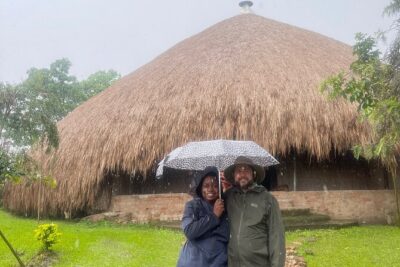 ★ 5.0Kampala cultural tourFrom $5550 reviews
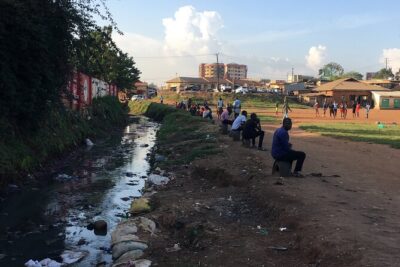 ★ 5.0Half day Kampala City Motor Bike ToursFrom $3529 reviews
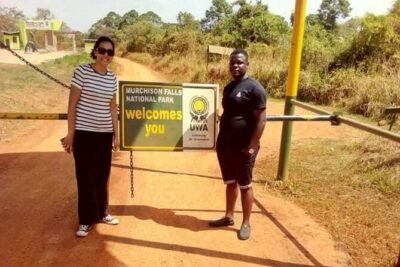 ★ 5.0Kampala’s walking city Tour ExperienceFrom $4018 reviews
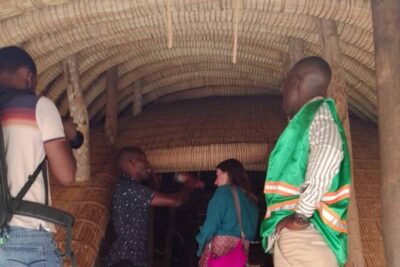 ★ 5.0Kampala cultural toursFrom $10017 reviews
 ★ 5.0Day and Night City Tours in KampalaFrom $354 reviews
 ★ 5.0Luxury City Tour with Hotel Pickup and Drop-OffFrom $1613 reviews
 ★ 4.7Private Guided City Tour with vehicle TransfersFrom $1703 reviews
Browse the lists this tour appears in