
REVIEW · KAMPALA CITY TOURS
Kampala: Private Guided City Tour with vehicle Transfers
Kampala history moves at street speed. This private guided day is a practical way to see the big landmarks that explain how Uganda got to today, from the Buganda Kingdom at Kabaka’s Palace to the faith-heavy Namugongo Martyrs Shrines, with a local guide who helps the scenes make sense. I especially like the private format, because you can set the pace and ask questions without feeling time-pressured.
My other big win is comfort plus food. You get air-conditioned vehicle transfers, bottled water, and an authentic Ugandan lunch at a local restaurant, so you are not burning your energy on logistics. You also get free pickup and drop-off, which matters in Kampala when traffic and distances can surprise you.
The main thing to consider is the price. At $170 per person, this tour is best if the included sites match what you want, because you are paying for a focused private experience with transport, guide time, and meals.
In This Review
- Key highlights worth planning around
- Why this private Kampala tour is the smart way to see the city
- Getting your bearings with Bagala Craft Market
- Independence Monument, World War Memorial, and the constitutional square
- Gaddafi Mosque on Old Kampala Hill, plus city views
- Kabaka’s Palace: the Buganda Kingdom story, including painful chapters
- Kasubi Tombs UNESCO: Muzibu Azaala Mpanga in a sacred setting
- The Bahá’í Temple on Kikaaya Hill, unity in a quiet place
- Namugongo Martyrs Shrines: Catholic and Anglican sites, side by side
- Lunch and bottled water, so your day stays human
- Optional downtown Kampala, and why customizing helps
- Price and value: what $170 per person really covers
- Guides you can feel good about: Pius and Sharif
- Who this Kampala tour suits best
- Should you book this Kampala private city tour?
- FAQ
- What sites are included on the Kampala private guided city tour?
- Is this tour private?
- How do the transfers work during the tour?
- Is lunch included?
- What drinks or additional items are included?
- Can I customize the itinerary or add stops?
- What languages are available, and what is the payment and cancellation approach?
Key highlights worth planning around
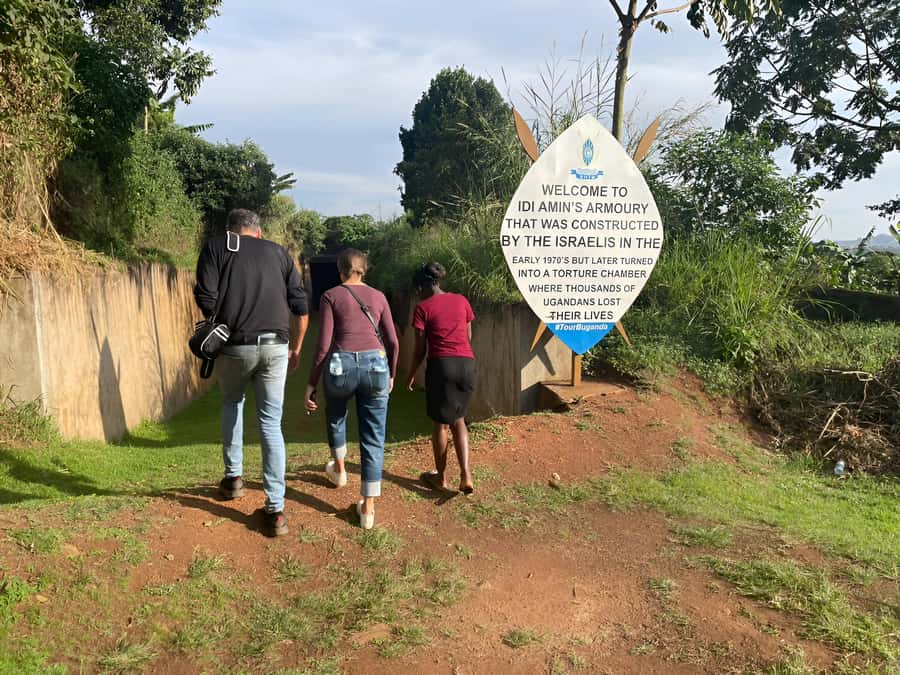
- Kabaka’s Palace context: you learn Buganda Kingdom traditions and also the darker political chapter tied to Idi Amin’s regime
- Kasubi Tombs UNESCO stop: see Muzibu Azaala Mpanga, built with organic materials, in a sacred setting
- Gaddafi Mosque views: climb up for panoramic city angles from Old Kampala Hill
- Namugongo Martyrs Shrines history: Catholic and Anglican sites side by side, including the hut-shaped basilica with 22 pillars
- A guide who drives the story: past guides Pius and Sharif are noted for being helpful, friendly, and safe on the road
- Custom pace plus lunch: you can adjust timing, and you still get a proper Ugandan meal during the day
Seeing Kampala on wheels instead
- Kampala Walking City Tours (Women Guided)
★ 5.0 · 115 reviews - Half day Kampala City Motor Bike Tours
★ 5.0 · 29 reviews - Kampala’s walking city Tour Experience
★ 5.0 · 18 reviews - Kampala cultural tours
★ 5.0 · 17 reviews
Why this private Kampala tour is the smart way to see the city
Kampala can be an easy place to feel “busy” without actually seeing the important stuff. This tour keeps you moving, but in a controlled way. You get a private guide, private vehicle, and an itinerary that hits landmark clusters instead of making you zigzag across town on your own.
I like tours that give you both context and comfort. Here you get the context side through site-by-site storytelling, not a single lecture. And you get the comfort side through air-conditioned transfers and lunch built into the schedule, so you can focus on people, places, and meaning instead of hunger, heat, and transport headaches.
If you like asking questions, this format works. You can also customize the day if you want more time at a market or you want to lean harder into the religious and historical stops. That flexibility is a real quality-of-life upgrade, especially for first-time visitors.
Getting your bearings with Bagala Craft Market
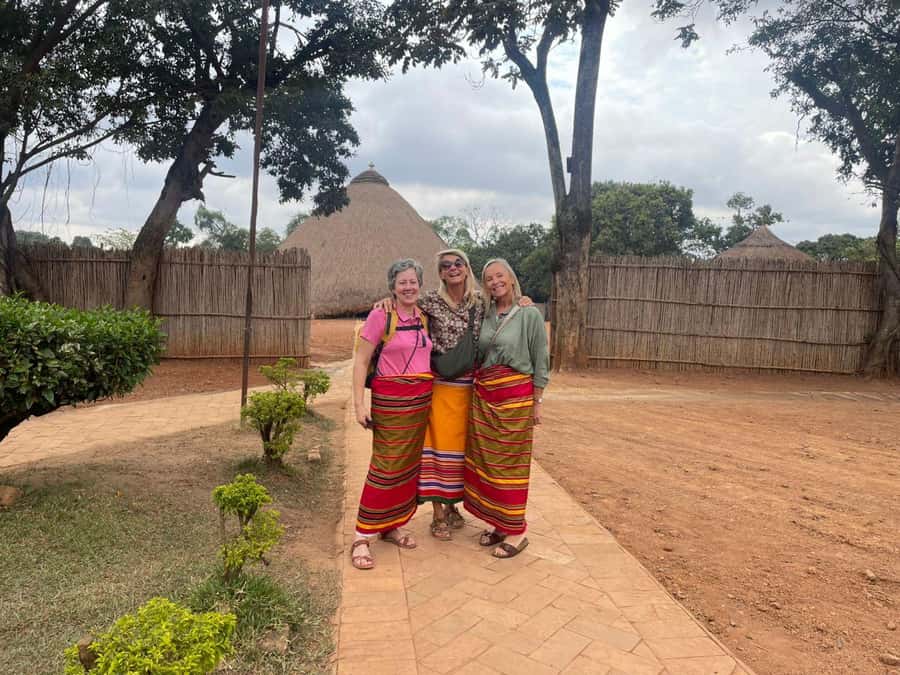
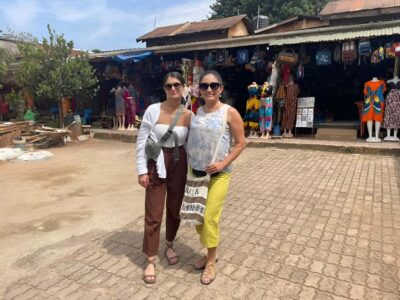
I always recommend starting with a market, because it helps you understand what everyday life looks like before you jump into palaces and shrines. Bagala Craft Market is a color-filled artisan stop where you can browse locally made crafts, jewelry, textiles, and souvenirs.
What makes this market useful on a city tour is the human scale. You are not just shopping, you are meeting the kind of makers who keep Kampala’s cultural identity visible. Even if you do not buy much, you get a feel for materials, styles, and pricing habits you will keep noticing later.
Practical tip: go in with a loose plan. Pick one or two categories you actually care about, like textiles or jewelry, and let the rest be browsing. That keeps you from turning a cultural stop into a time sink.
Independence Monument, World War Memorial, and the constitutional square
Next comes Uganda’s public memory in stone and garden paths. The Independence and World War Memorial monuments, along with the constitutional square area, sit in a calmer setting than the city streets. It gives you a break to absorb a different kind of Kampala story.
The Independence Monument marks liberation from British rule in 1962. Nearby, the World War Memorial, built in 1945, honors Ugandans who served in the World Wars. Put together, these stops help you see that modern Uganda is not one single timeline. It is layered: colonial break, world events, and the national identity that follows.
If you care about how countries narrate themselves to future generations, this is a solid stop. You see memorial design choices and how official spaces communicate values like service, sacrifice, and nationhood.
Other guided Uganda trips we rated


Gaddafi Mosque on Old Kampala Hill, plus city views
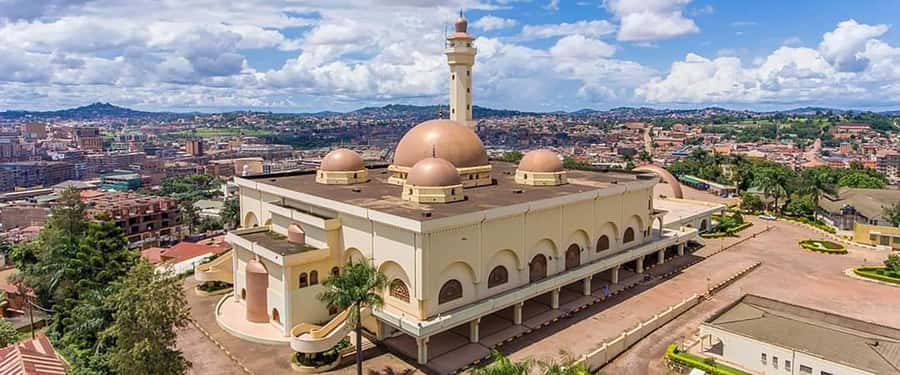
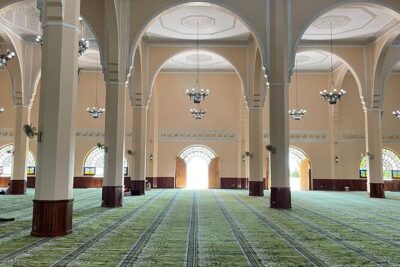
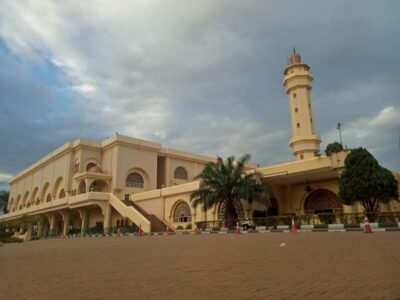
Gaddafi Mosque is the kind of place that makes first-time visitors pause. It sits atop Old Kampala Hill, and it is described as the largest mosque in East Africa. The building itself blends Arab, African, and European styles, so your eyes get a “mix” of architecture even before you start reading explanations.
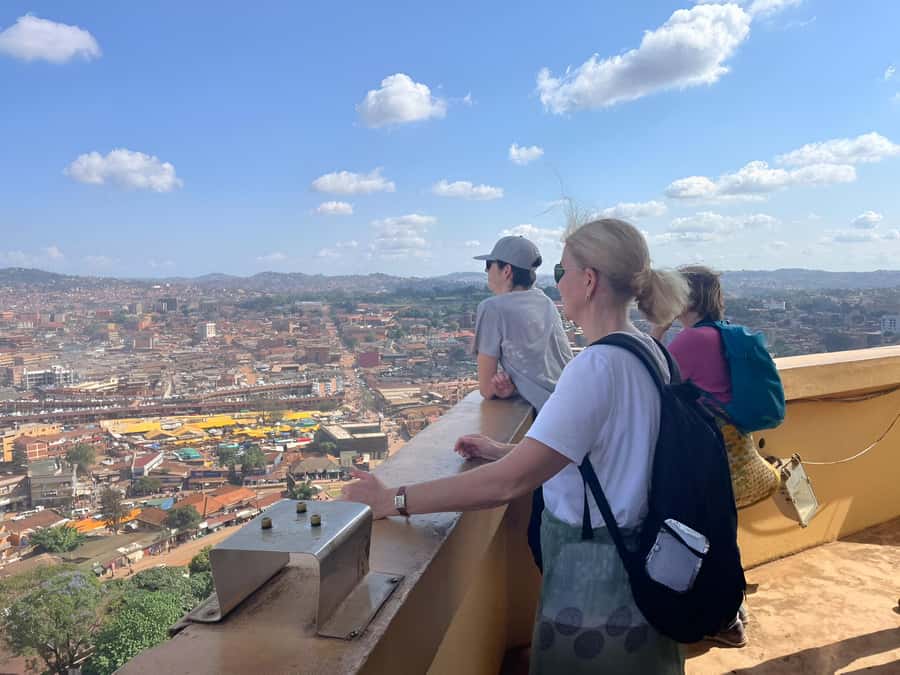
The practical bonus is the viewpoint. There is an option to ascend the minaret for panoramic city views. From up there, Kampala stops feeling like just roads and traffic. You can start mapping where major districts and hills sit relative to each other.
A consideration: the walk and climb can be tiring if you are not used to hills. This is still manageable for most visitors, but it is smart to wear comfortable shoes and keep your energy for the rest of the day.
Kabaka’s Palace: the Buganda Kingdom story, including painful chapters
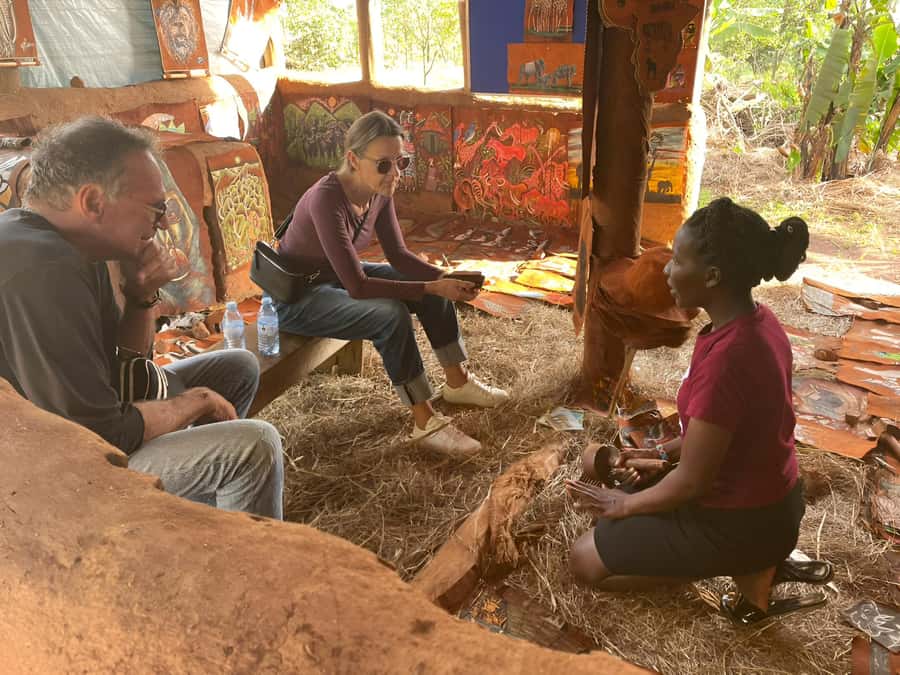
Kabaka’s Palace is the official residence of the King of Buganda, the largest traditional kingdom in Uganda. This is not just a “pretty palace stop.” It is a doorway into how Buganda Kingdom traditions have shaped social life, identity, and power in Uganda.
What I like here is the balanced way the site is explained. You learn about royal legacy and cultural traditions, but you also hear about a darker role during Idi Amin’s regime. That contrast matters. It turns the palace from a distant historical object into something tied to living politics and memory.
If you want cultural depth without getting stuck in facts-only mode, this is one of the best places in the itinerary. You come away understanding that tradition and politics in Kampala have always been connected.
Kasubi Tombs UNESCO: Muzibu Azaala Mpanga in a sacred setting
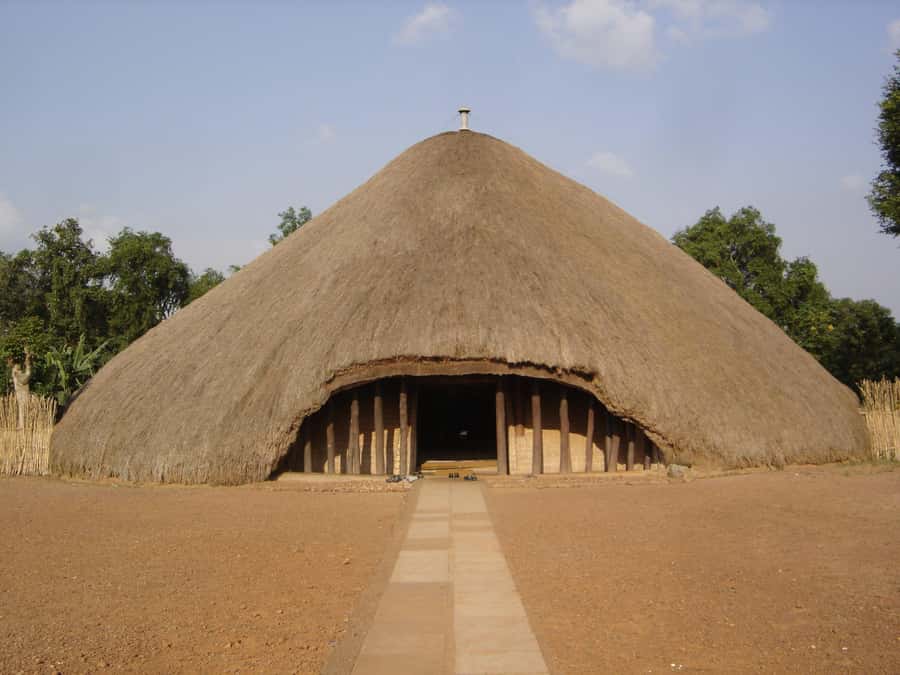
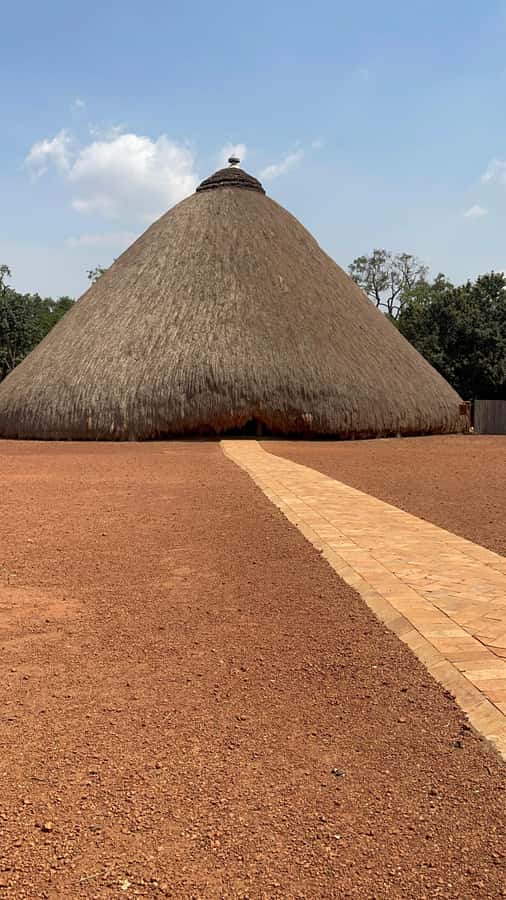
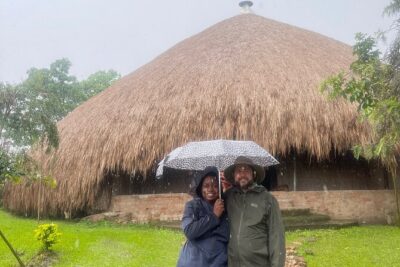
Then you get to the UNESCO stop: Kasubi Tombs, the sacred burial grounds of the Buganda kings. The centerpiece is Muzibu Azaala Mpanga, known for traditional Ganda architecture built entirely with organic materials.
This is a place where you slow down, even if your schedule is active. You are not just viewing. You are stepping into a living heritage site, tied to respect and remembrance. The organic-material construction makes the architecture feel different from what you might expect from a major royal tomb complex.
Why it matters for your trip: UNESCO sites can sometimes feel like a checklist item. Here, the emotional and cultural weight is built into the experience, because the tombs are not just “old buildings.” They are sacred, and that changes the tone of your visit.
Practical tip: plan to stay present. Look at the structure and listen to what your guide explains about significance rather than treating it like another photo stop.
The Bahá’í Temple on Kikaaya Hill, unity in a quiet place
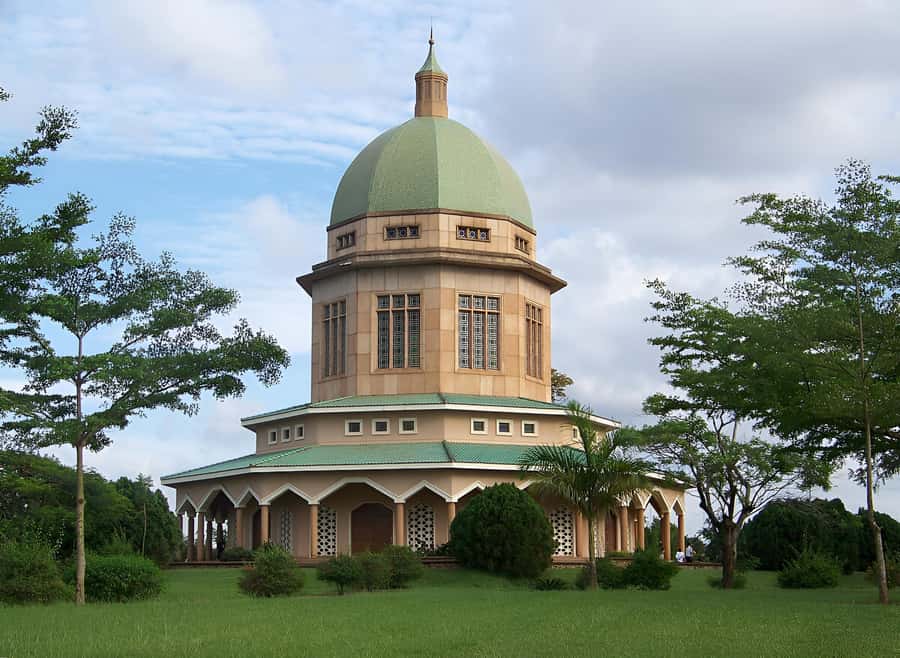
Next is the Bahá’í Temple on the tranquil slopes of Kikaaya Hill. It is noted as the only Bahá’í temple on the African continent. The gardens around it add a calm feel, which is a welcome shift after palace and tomb history.
For me, this is an important stop because it shows Kampala’s religious layers side by side. You have seen Islam through Gaddafi Mosque, and Christianity through Namugongo. Now you see Bahá’í ideals represented through architecture and a message of unity and peace.
Even if you are not religious, it is worth visiting because it gives you a different kind of “city meaning.” This is a spiritual space with an emphasis on reflection, and that helps you balance the political and historical weight from earlier stops.
Namugongo Martyrs Shrines: Catholic and Anglican sites, side by side
Namugongo Martyrs Shrines are the emotional heart of the tour. The Catholic and Anglican shrines are located just a short walk apart, which is convenient because you can learn the shared story without constantly relocating.
At the Catholic Shrine, the site commemorates Christian martyrs of Uganda, including St. Charles Lwanga and companions. The shrine features a hut-shaped basilica supported by 22 pillars. It also draws millions of pilgrims each year, especially around June 3rd.
The nearby Anglican Shrine honors 23 Anglican martyrs. It includes a modern amphitheatre, an educational museum, and sacred springs. Together, the two shrines show how Uganda holds onto faith history through both spiritual space and public learning.
What I like about the way this stop is built into the day: it ties Uganda’s story to people, persecution, and endurance, not just dates and buildings. You are leaving with a clearer understanding of why these shrines draw huge crowds during pilgrimage season.
A practical consideration: because it is a faith site, keep your behavior respectful and expect a slower rhythm if the area is busy. This is especially true if you are visiting around periods when pilgrimages increase.
Lunch and bottled water, so your day stays human
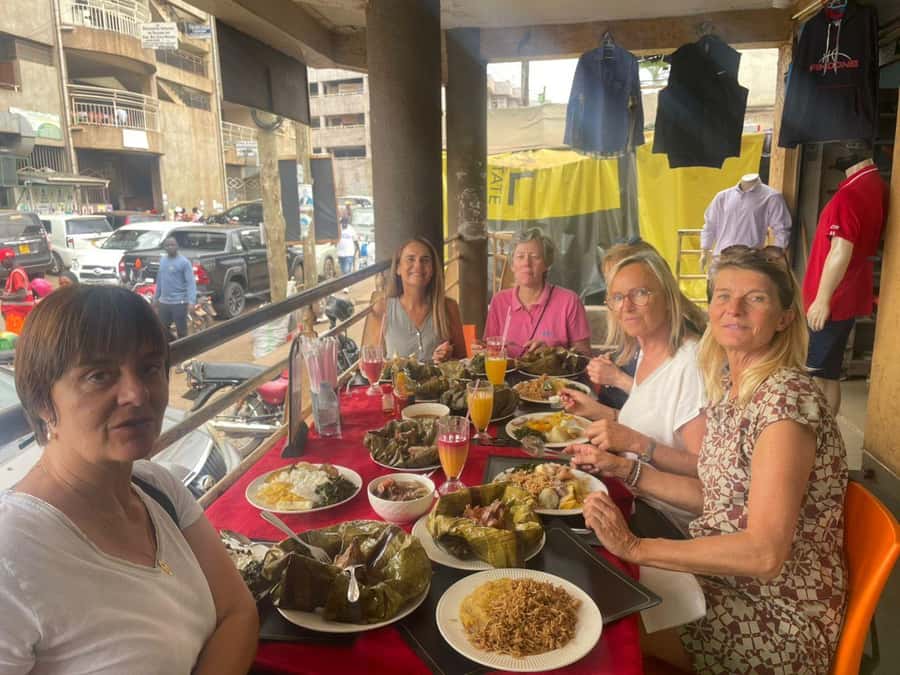
One underrated part of a city tour is whether it lets you stay comfortable enough to enjoy the sights. Here you get bottled water and a delicious meal at an authentic Ugandan restaurant.
I like that lunch is included and planned into the experience, rather than leaving you to search around mid-afternoon. That also means you can ask your guide what to order based on what is locally popular, and you can keep the conversation going while you rest.
If you want to make the most of lunch, try to use it as a question time. Ask about what you should look for in Kampala streets after you finish the tour, like local crafts, neighborhood life, or religious sites you might want to revisit.
Optional downtown Kampala, and why customizing helps
There is an optional visit to downtown Kampala. This is useful if you want more of the city’s daily energy, beyond the planned cultural and religious highlights.
Because the tour is customizable, you can also adjust the pace and schedule. If you want extra time at Bagala Craft Market, or if you prefer a stronger focus on historical and religious sites, you should be able to shape the day.
This matters because Kampala is not one-size-fits-all. Some visitors want architecture and monuments. Others want markets and everyday urban life. Customization lets you match the day to your curiosity.
Price and value: what $170 per person really covers
At $170 per person, this tour is not the cheapest way to see Kampala, but it is also not priced like a luxury day with private guides plus a long list of expensive add-ons. The value comes from what is included:
- Private guided experience that focuses on major landmarks
- Air-conditioned vehicle transfers
- Free pickup and drop-off
- Lunch at an authentic Ugandan restaurant
- Bottled water
- A full set of listed stops, including UNESCO Kasubi Tombs and major religious sites
Where the price can feel worth it is if you value time and comfort. Private transfers save you from figuring out routes, dealing with your own transport, and constantly negotiating logistics. And lunch included means you are not adding another task to your day.
If you are traveling solo and you are on a strict budget, you might compare this to shared tours. If your priority is a smooth, guide-led day with clear context and no rushing, this package starts to make more sense.
Guides you can feel good about: Pius and Sharif
A big part of whether a city tour feels good is the guide. In past experiences connected to this operator, guides such as Pius and Sharif have been described as friendly, helpful, and careful drivers, with cars that are clean and comfortable.
That combination matters. A safe driver lets you relax and focus on sights. A guide who explains clearly makes landmarks feel more than just scenery.
When you book, it is worth stating what you care about most, like royal history, UNESCO architecture, mosque viewpoints, or martyr stories. A good guide can then steer your attention and keep your time efficient.
Who this Kampala tour suits best
This tour is a great fit if you want a one-day plan that covers major cultural, historical, and religious landmarks without stress.
It is especially suitable if you:
- Prefer a private format for couples or small groups
- Want comfort with air-conditioned vehicle transfers
- Like structured stops, but still want room to adjust pace
- Want both everyday city life through the market and bigger-picture history through monuments and UNESCO
It may feel less ideal if you want only one or two “signature” stops and you would rather travel more freely on your own. Also, if your schedule is very tight and you only have time for a small section of Kampala, you might find this includes more stops than you need.
Should you book this Kampala private city tour?
Book it if you want a guided, well-paced day that hits the landmarks that actually explain Kampala. The mix of Kasubi Tombs UNESCO, Gaddafi Mosque with its hilltop views, Kabaka’s Palace, and Namugongo’s Catholic and Anglican shrines creates a full picture of culture, faith, and history in one route.
I would skip it or reconsider if you are strongly budget-focused or you only care about a couple of sites. At $170 per person, it pays off when the itinerary matches your interests and you plan to use the comfort and private transfers rather than treating it like a casual hop-on ride.
If you do book, set expectations clearly with your guide. Tell them what you want most, and ask for recommendations during lunch. That way, the day becomes more than a checklist, it becomes your Kampala learning curve.
FAQ
What sites are included on the Kampala private guided city tour?
The included stops are Bagala Craft Market, the Independence and World War Memorial monuments and the constitutional square, Gaddafi Mosque, Kabaka’s Palace, Kasubi Tombs (UNESCO), the Bahá’í Temple, and Namugongo Martyrs Shrines (Catholic and Anglican).
Is this tour private?
Yes, it is a private tour.
How do the transfers work during the tour?
You get transfers in an air-conditioned vehicle, plus free pick up and drop off.
Is lunch included?
Yes. The tour includes a meal at an authentic Ugandan restaurant.
What drinks or additional items are included?
Bottled water is included. Alcoholic drinks are not included.
Can I customize the itinerary or add stops?
Yes. The tour is fully customizable to your interests, schedule, and pace, including an optional visit to downtown Kampala.
What languages are available, and what is the payment and cancellation approach?
The tour language is English. You can reserve and pay later, and cancellations are allowed up to 24 hours in advance for a full refund.
Other Uganda Trips
The Rest of the Uganda File
Kampala Without the Walking

Other Uganda trips we have written up
- 7-Day Uganda Adventure Safari – Midrange Lodges★ 5.0 · 3 reviews
- 5 days gorillas and chimpanzee tracking★ 4.5 · 3 reviews
- A Thrilling 1-Day Rhino Tracking Tour in Uganda★ 5.0 · 3 reviews
- 3 Days Murchison Falls Wildlife Safari★ 4.5 · 3 reviews
- 10 Day Gorilla Chimps and Big 5 Safari★ 5.0 · 3 reviews
Kampala City Tours, compared.
 ★ 5.0Kampala Walking City Tours (Women Guided)From $34115 reviews
 ★ 5.0Kampala cultural tourFrom $5550 reviews
 ★ 5.0Half day Kampala City Motor Bike ToursFrom $3529 reviews
 ★ 5.0Kampala’s walking city Tour ExperienceFrom $4018 reviews
 ★ 5.0Kampala cultural toursFrom $10017 reviews
 ★ 5.0Kampala City Tour – Half DayFrom $21511 reviews
 ★ 5.0Day and Night City Tours in KampalaFrom $354 reviews
 ★ 5.0Luxury City Tour with Hotel Pickup and Drop-OffFrom $1613 reviews
Browse the lists this tour appears in