
REVIEW · KAMPALA CITY TOURS
Kampala cultural tours
Kampala tells stories if you know where to look. This small-group Buganda Kingdom cultural tour focuses on the key places behind the Kabaka story, with guiding and city transfers so you do not waste hours figuring out routes. I especially like the small-group attention and the way the day connects major sites into one clear theme.
What I like most is practical too: round-trip pickup keeps the day moving, and lunch plus bottled water are included. One thing to watch is that some entrance fees are not included, and openings can vary by day, so you should plan to pay extra for certain sites if requested on the spot.
In This Review
- Key things to know before you go
- Kampala Cultural Tours: how the day is structured
- Pickup and small-group size, the real value
- Kasubi Tombs first, then Uganda Museum for context
- Palace area and Royal Mile: understanding Buganda’s royal world
- Torture Chambers and Kabaka’s Lake: history with weight
- Craft making, storytelling, and the Craft Market you can actually use
- Traditional lunch in the middle of a busy day
- Price and entrance fees: what the $100 really covers
- Who Kampala’s Buganda cultural tour suits best
- Practical tips to make the most of your day
- Should you book this Kampala cultural tour?
- FAQ
- How long is the Kampala cultural tour?
- What does the tour cost?
- Is pickup included?
- Is lunch included?
- Are entrance fees included in the price?
- How large is the group?
- Is there bottled water included?
- What ticket format do I receive?
- Can I cancel for a full refund?
Key things to know before you go
- Kasubi Tombs and Uganda Museum get you local context early in the day
- Kabaka-focused sites such as the palace area, Royal Mile, and other royal landmarks
- Small group cap (maximum 10) means your guide can actually work with the pace of the group
- Traditional experiences in the schedule, including craft making, storytelling, and spiritual healing
- Lunch and bottled water included, which helps you stay comfortable during a full day
- Entrance fees are not included, so bring cash for on-site charges
Seeing Kampala on wheels instead
- Kampala Walking City Tours (Women Guided)
★ 5.0 · 115 reviews - Half day Kampala City Motor Bike Tours
★ 5.0 · 29 reviews - Kampala’s walking city Tour Experience
★ 5.0 · 18 reviews - Kampala cultural tours
★ 5.0 · 17 reviews
Kampala Cultural Tours: how the day is structured
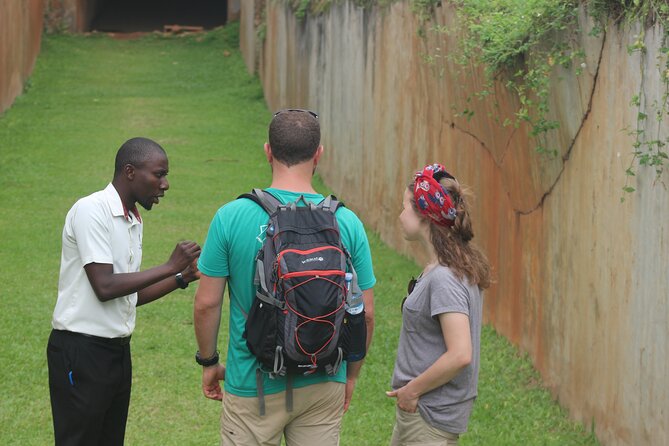
This is a 7-hour Kampala cultural tour built around Buganda Kingdom heritage, with a guide who helps you connect what you see. Instead of a random list of stops, you get a guided storyline that moves from UNESCO-listed Kasubi Tombs to museum context, then into the palace-area world of the Kabaka. For many visitors, that structure is the difference between seeing places and understanding them.
The tour also respects your time. Pickup is offered, and you have private transportation for the day, which helps you avoid the classic Kampala scramble of rides, wait times, and re-checking directions. That matters when you are packing a lot into one day.
You will also get a mix of “places” and “people culture.” Beyond landmarks, the schedule includes craft making, storytelling, and spiritual healing experiences. That blend can be a good fit if you want more than photos, but it also means you should be ready to slow down and listen.
Pickup and small-group size, the real value
I love when a tour treats logistics like part of the experience. Here, pickup and round-trip transport are included, and the day runs as a guided plan rather than you managing transfers alone. You can focus on what matters, like asking your guide why each site is important.
The group size cap is 10 travelers, which is big for value. In a smaller group, the guide can answer questions without shouting over other people, and you spend less time stopping and starting. If you want a calmer, more personal feel, this is a strong point.
You should also consider the pacing. A 7-hour day in Kampala means some driving and walking, plus time at multiple sites. It is not a long rest-day kind of tour. If you prefer very relaxed sightseeing only, you might find it a bit busy.
Kasubi Tombs first, then Uganda Museum for context
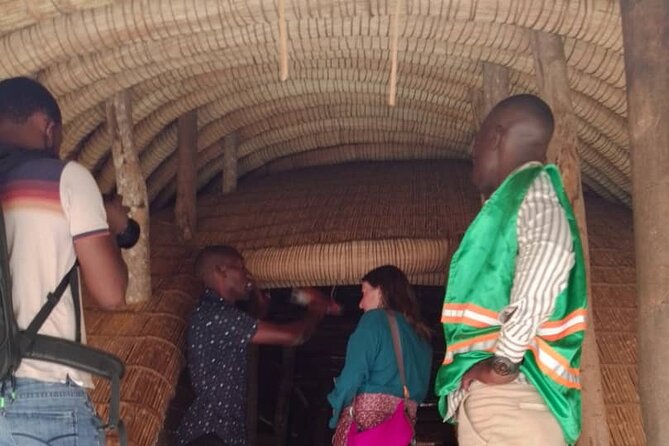
You start with Kasubi Tombs, a UNESCO World Heritage Site. Going early can help you avoid the feeling of arriving when the day is already racing. Kasubi Tombs are a key place for understanding Buganda’s royal tradition, so it sets the tone for everything that comes after.
After that, you head to the Uganda Museum. This museum is described as the oldest museum in East Africa, and that older institutional perspective can help you read the region differently. Instead of treating culture like only something you watch, you can see artifacts and learn the way history and identity have been presented over time.
There is one caution that showed up in feedback: access and timing can be affected if the museum is closed for renovation on a given day. If that happens, the value shifts to whatever sites are still open, and you might end up paying more at other stops. Ask the guide what is open that day, and be ready to adjust.
Community visits we sat in on


Palace area and Royal Mile: understanding Buganda’s royal world
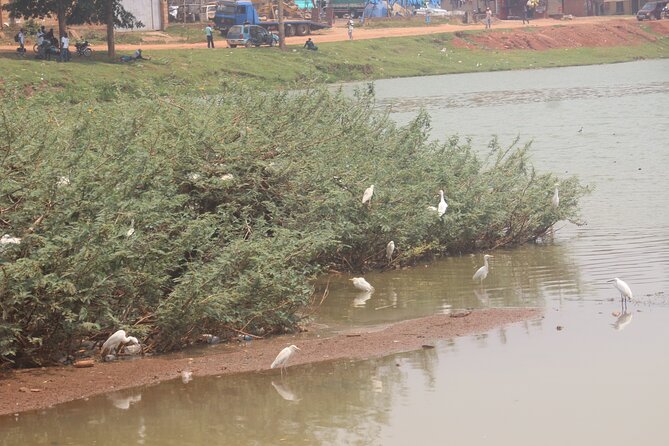
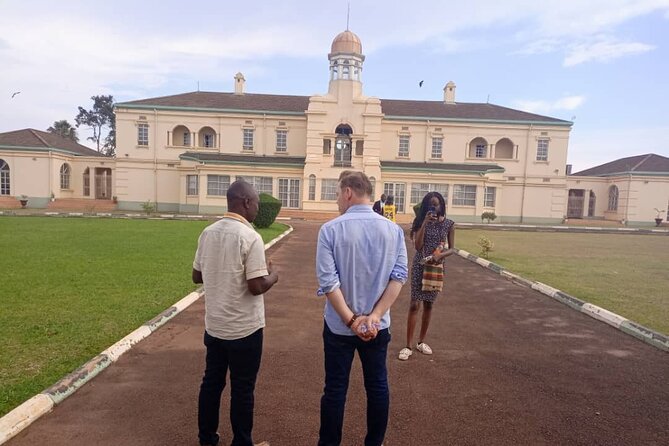
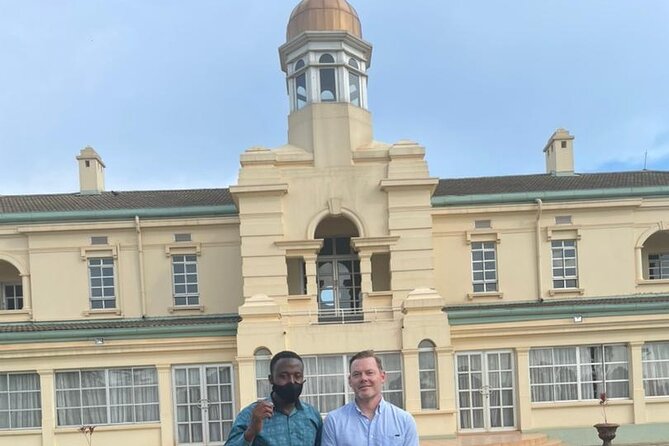
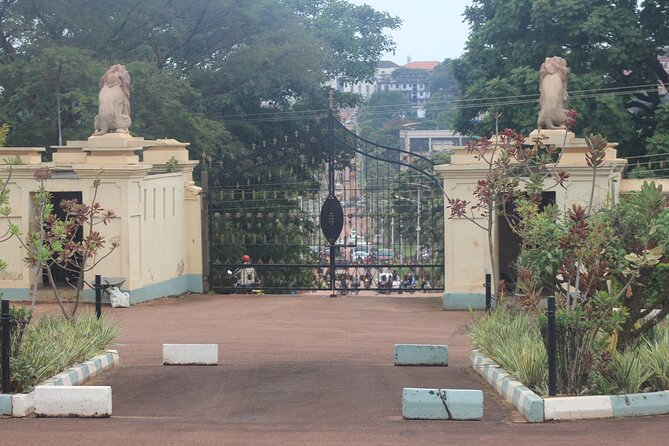
Next comes the heart of the Buganda Kingdom story. You visit Kabaka-related landmarks, including the Kabaka’s Palace area and the Royal Mile. This is the kind of sightseeing that works best when your guide gives you context. Without that, palace-area landmarks can feel like scenery. With context, you start to understand why people connect the places to authority, tradition, and social life.
The schedule also mentions other royal sites and routes connected with the Kabaka’s presence in Kampala. The Royal Mile in particular is a powerful idea, because it is about movement, power, and public identity. Even if you are not an architecture expert, a guided explanation can help you notice details you would otherwise miss.
One practical consideration: some palace-area views may depend on what is accessible at the time. In feedback, one person noted that the palace was not clearly visible, which can happen when you are limited by gates, crowd flow, or site conditions. Plan to appreciate the guide’s explanations even if your view angle is not perfect.
Torture Chambers and Kabaka’s Lake: history with weight
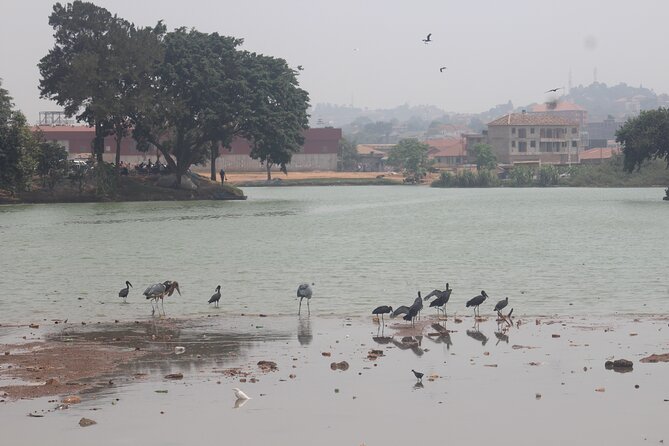
Not every stop in this tour is cheerful. The day includes Torture Chambers and Kabaka-related places like Kabaka’s Lake. These are the moments where your guide’s commentary matters most, because the meaning is not always obvious at street level.
This part of the tour is valuable for balance. You are not only seeing symbols of tradition; you are also seeing evidence of how conflict, power, and rule intersected in historical times. A thoughtful guide can help you avoid oversimplifying the story.
The trade-off is emotional. If you prefer only light, everyday culture, you might find these stops heavy. If you are okay with learning history that includes darker chapters, this is where the tour can feel most real and memorable.
Also, be aware of variable site access and fees. In feedback about one day, additional charges were mentioned for specific access and viewing circumstances. That is a reminder to bring cash for any on-site requests and to confirm whether any special viewing or entry charges apply when you arrive.
Craft making, storytelling, and the Craft Market you can actually use
A big reason this tour works well is that it does not treat culture as something frozen in stone. The day includes craft making, spiritual healing experiences, and storytelling. You get to see how tradition can show up as skill, belief, and everyday practice rather than just as a monument.
Then you have time at the Craft Market for souvenir shopping. This is often the part where tourists rush and buy the first thing they see. I recommend you slow down here and treat the market as a learning stop, not only a shopping stop. Ask what materials are used, how items are made, and what the crafts represent. A good guide can help you negotiate the conversation too.
For value, souvenirs can be great, but only if you avoid paying inflated prices out of stress. Use the guide for translation and context. If you want fewer items and better quality, buy one or two crafts that you can explain, not ten things you cannot.
Traditional lunch in the middle of a busy day
A full cultural day needs a reset. Lunch is included, along with bottled water, which helps you stay comfortable during the travel and site time.
I like this setup because it reduces one of the most common vacation problems: spending time hunting for food, then worrying about where it came from. With lunch handled, you can stay focused on the schedule and not get hungry at the wrong time.
One small tip: drink water earlier rather than waiting until you feel thirsty. The day includes driving and walking, and Kampala heat can add up. Also, let your guide know about any dietary restrictions up front. The tour includes lunch, but details can vary by what is available that day.
Price and entrance fees: what the $100 really covers
The price is $100 per person, which is fairly straightforward for a 7-hour guided cultural day with pickup, private transportation, bottled water, and lunch. For many travelers, that bundled convenience is the main value.
The tricky part is entrance fees. Entrance fees are listed as not included. At the same time, the experience details also mention admission ticket free, so there is a mismatch in how you should mentally budget. In practice, you should assume that some sites could require payments on arrival.
The feedback you can use as a guide is this: some people were charged extra for specific activities and for access related to certain buildings or areas. If your museum stop is affected by closures, charges could shift to other places. So, bring extra cash just in case, and ask the guide to clarify what you will likely need to pay for each site.
Here is a good way to judge value for yourself. If you want a guided, structured day that uses transport to reduce hassle, $100 can be a good deal. If you plan to skip paid sites anyway, the entrance fees could reduce value. Decide based on your tolerance for on-site charges.
Who Kampala’s Buganda cultural tour suits best
This tour makes sense if you want a clear, guided understanding of Buganda heritage without doing the research and route planning yourself. It is a strong fit for first-time visitors who want the top culture anchors in one day, including Kasubi Tombs and the Uganda Museum.
It also suits travelers who like guides to connect the dots. The itinerary is built around commentary, storytelling, and traditional experiences. If you like questions, you will likely enjoy the back-and-forth during the day.
Who might be less happy? If you dislike heavier historical content, Torture Chambers and some royal-history context might feel too intense. If you only want viewpoint sightseeing and minimal walking, a 7-hour circuit may feel like too much.
Finally, if you are traveling as a small group or solo, the maximum 10 travelers helps. You get social energy without feeling like you are stuck in a huge group.
Practical tips to make the most of your day
A few smart moves can improve your experience fast.
- Bring cash for entrance fees, since they are not included and charges can vary by site and access.
- Expect some changes if a museum or specific area is closed that day. Ask the guide what is currently accessible early on.
- Take your guide’s explanations seriously, especially at the sites connected with royal authority and conflict.
- At the Craft Market, buy slowly. Ask about materials and meaning, not just price.
- Wear comfortable shoes. You will likely walk between sites and move through areas with uneven surfaces.
If you do these things, the tour becomes more than a checklist. It turns into a coherent narrative of the Buganda Kingdom in Kampala, with a human scale thanks to the small group.
Should you book this Kampala cultural tour?
I would book this if you want a guided, one-day way to understand Buganda heritage, starting with Kasubi Tombs and building through royal landmarks, museum context, and cultural experiences like storytelling and craft making. The pickup, small group size, lunch, and transportation included make it a practical choice.
I would hesitate if you are on a tight budget that cannot handle entrance fees. The tour says entrance fees are not included, and feedback confirms that extra charges can happen depending on what is open and what access looks like that day.
If you can handle a bit of on-site unpredictability and you want meaning over just photos, this is a solid option in the Kampala cultural tours lineup.
FAQ
How long is the Kampala cultural tour?
It runs for about 7 hours.
What does the tour cost?
The price is $100.00 per person.
Is pickup included?
Yes, pickup is offered, and round-trip transportation is included.
Is lunch included?
Yes, lunch is included.
Are entrance fees included in the price?
Entrance fees are listed as not included. You may need to pay on site depending on the destinations.
How large is the group?
The tour has a maximum of 10 travelers.
Is there bottled water included?
Yes, bottled water is included.
What ticket format do I receive?
You receive a mobile ticket.
Can I cancel for a full refund?
Yes. You can cancel up to 24 hours in advance for a full refund. If you cancel less than 24 hours before the experience starts, the amount paid will not be refunded.
The Rest of the Uganda File



Sitting Down With Communities


Kampala Without the Walking


Other Uganda trips we have written up
- 7-Day Uganda Adventure Safari – Midrange Lodges★ 5.0 · 3 reviews
- 5 days gorillas and chimpanzee tracking★ 4.5 · 3 reviews
- A Thrilling 1-Day Rhino Tracking Tour in Uganda★ 5.0 · 3 reviews
- 3 Days Murchison Falls Wildlife Safari★ 4.5 · 3 reviews
- 10 Day Gorilla Chimps and Big 5 Safari★ 5.0 · 3 reviews
Kampala City Tours, compared.
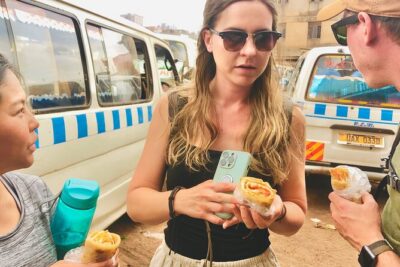 ★ 5.0Kampala Walking City Tours (Women Guided)From $34115 reviews
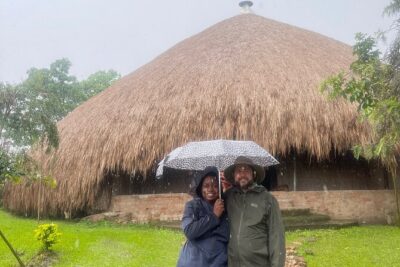 ★ 5.0Kampala cultural tourFrom $5550 reviews
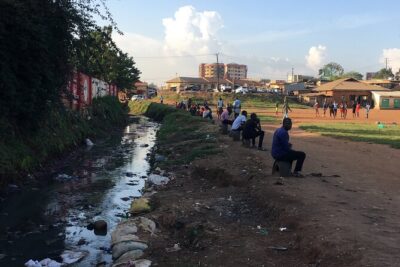 ★ 5.0Half day Kampala City Motor Bike ToursFrom $3529 reviews
 ★ 5.0Kampala’s walking city Tour ExperienceFrom $4018 reviews
 ★ 5.0Kampala City Tour – Half DayFrom $21511 reviews
 ★ 5.0Day and Night City Tours in KampalaFrom $354 reviews
 ★ 5.0Luxury City Tour with Hotel Pickup and Drop-OffFrom $1613 reviews
 ★ 4.7Private Guided City Tour with vehicle TransfersFrom $1703 reviews
Browse the lists this tour appears in