
REVIEW · KAMPALA FOOD & DRINK TOURS
Private Ugandan Food Cooking Class and Culture Experience
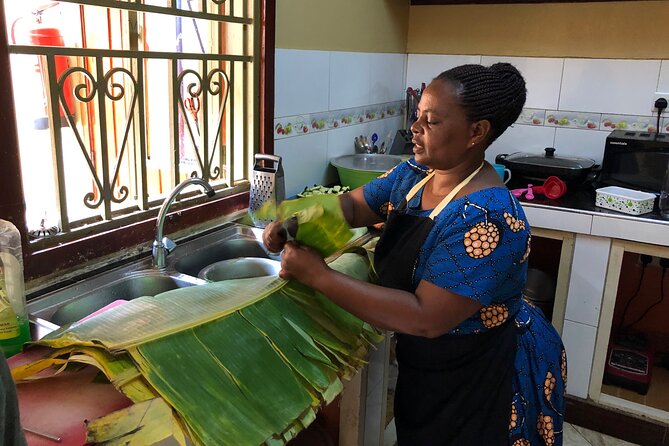
Uganda tastes better when it comes with stories. This private cooking class in Entebbe lets you shop for ingredients with Sylvia and her family, then cook and eat together the traditional way, over fire. Sylvia and her daughter Helen make it feel like you are joining real life at their home, not just taking a lesson.
Two things I really like about this experience: the market stop that anchors everything in fresh local produce, and the fact that you do the cooking with traditional methods over fire for genuinely smoky flavors. You also get a warm welcome with Ugandan spiced tea, plus an English guide so you can actually understand what you are tasting and why it matters.
One consideration: because the food is prepared traditionally over fire, expect some smoke and warmth in the kitchen. If you dislike smoky cooking environments, plan around that.
In This Review
- Key things to know before you go
- A market-to-home cooking class in Entebbe, with Sylvia and Helen
- Meeting Sylvia, then settling into a family rhythm
- The local market walk: where your meal starts
- Choosing recipes, then cooking traditionally over fire
- Lunch is the point, and it is served with the group
- Dietary needs: adaptations are possible, but ask clearly
- Why the traditional approach feels authentic, not staged
- Price and value: $45 for market time plus a full lunch
- Who this cooking class suits best
- Practical tips to make the day smoother
- Should you book this Ugandan cooking experience?
- FAQ
- How long is the private Ugandan food cooking class?
- What is the price per person?
- Where does the experience start and end?
- What is included in the experience?
- Can the menu be made for gluten free, vegetarian, or dairy free diets?
- Does the experience include alcohol?
- What is the cancellation policy?
Key things to know before you go
- Market-first shopping: you select ingredients before any cutting or cooking starts.
- Family kitchen energy: laughter, dancing, and shared meals are part of the program, not an add-on.
- Fire-cooked flavor: traditional preparation gives the food its signature smoky taste.
- Flexible diets by request: dishes can be adapted to gluten free, vegetarian, or dairy free needs.
- Private time with your group: only your group joins, so you are not stuck in a crowd.
- A clear lunch focus: the experience is built around a satisfying meal, not just samples.
Eating and drinking your way round Kampala
- Cooking Class for Typical Ugandan Food in Kampala
★ 5.0 · 25 reviews - Kampala: Hands-On Chocolate Making Experience
★ 4.9 · 18 reviews - Kampala: Three-Hour Food Tour
★ 4.6 · 15 reviews - Nighttime Boda Boda Street Food Tour
★ 5.0 · 6 reviews
A market-to-home cooking class in Entebbe, with Sylvia and Helen
This is not a sit-and-watch cooking demo. The flow is simple and smart: start with ingredients, then move into the kitchen, then eat what you made as a group. The location may be connected to Kampala travel, but the meeting point is in Entebbe, so you can slot it into a day around the lake area.
What makes this work for real travelers is the rhythm. You are not just learning recipes, you are seeing how people buy, prep, cook, and share food day-to-day. That is the part that stays with you when you compare it to cooking classes that only teach technique.
Also, I like that it is private. Even though it is only listed as a 3 and a half hour experience, you get enough time to chat, ask questions, and actually participate.
Meeting Sylvia, then settling into a family rhythm
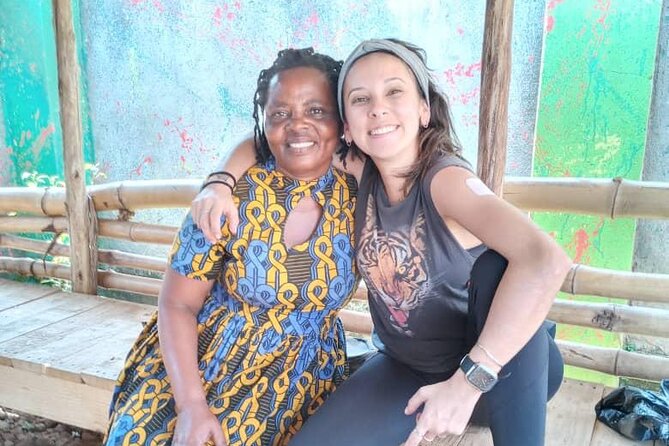
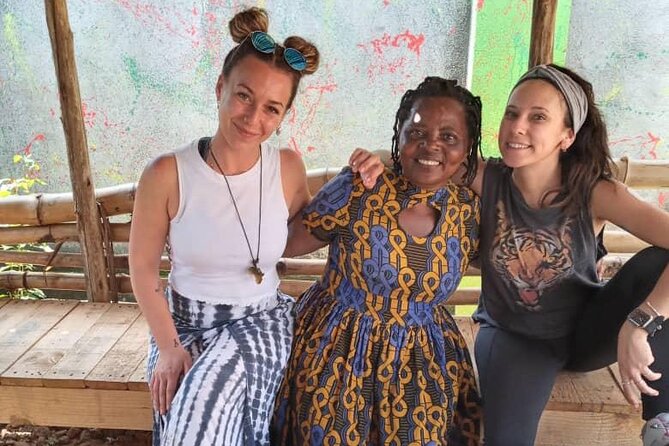
The heart of this experience is Sylvia. She is described as warm, happy, and deeply focused on connection. You feel that intention from the way the class is framed: food as community, not just food as fuel.
You will meet your English guide, and Sylvia’s presence anchors the whole afternoon. Her family does not disappear behind the scenes. Helen, Sylvia’s daughter, plays an active role during the market and cooking time. When you hear the name Helen brought up again and again in people’s notes, it is a clue that you will get personal attention, not a scripted performance.
The welcome matters too. You will be greeted with traditional Ugandan spiced tea when you arrive. That sets expectations that you are stepping into a real home routine, where drinks, snacks, conversation, and timing all blend together.
The local market walk: where your meal starts
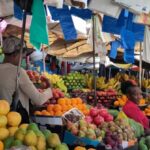
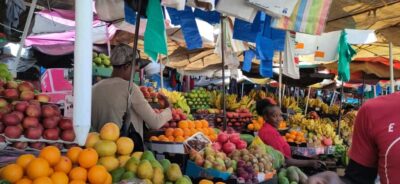
The market stop is one of the best parts because it turns an abstract recipe into something tangible. Instead of being handed ingredients, you see what is fresh and what people actually choose.
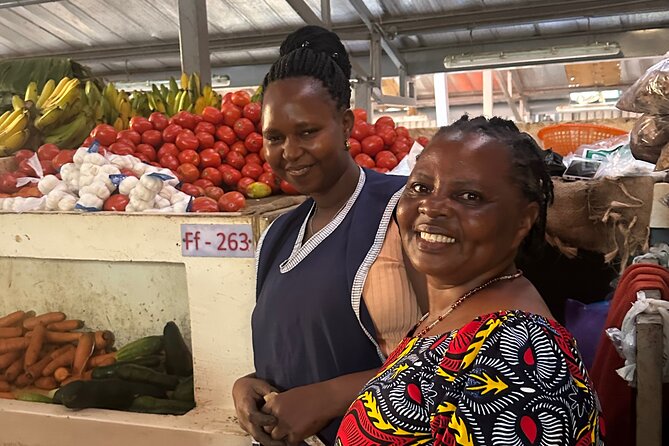
You and your group head to buy produce together. You select the ingredients you will later cook with, guided through what to look for and why. People specifically mention walking to the market with Sylvia and Helen and choosing vegetables as part of the process.
This is valuable for you even if you do not plan to cook Ugandan food at home every week. You learn what fresh ingredients look like in practice, and you build a quick mental map of how flavors start long before the first pan hits the fire. That kind of understanding is hard to get from a cookbook.
A small practical thought: markets are active places. Wear comfortable shoes and expect some time on your feet.
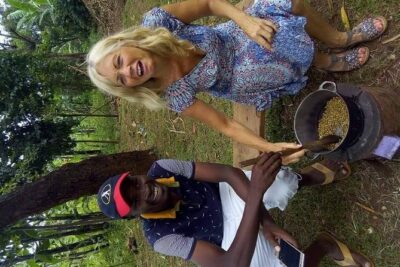
Community visits we sat in on

Choosing recipes, then cooking traditionally over fire
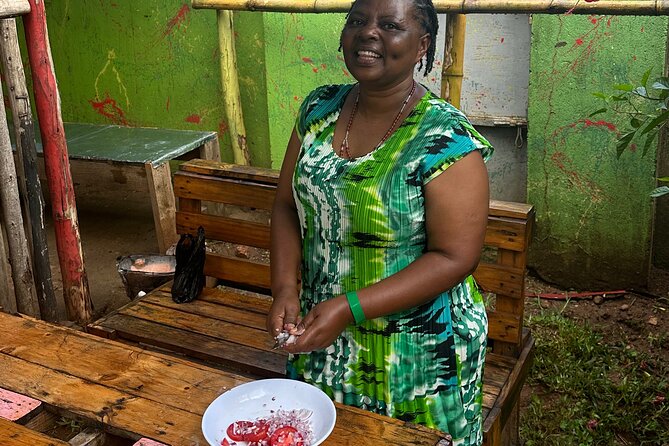
Once you arrive at the home kitchen, the focus shifts from shopping to making. The plan is to cook about 3 recipes, and the meals are built around local, organic ingredients sourced fresh.
Here is the key difference from many classes: you cook in a way that aims for real Ugandan flavor. Food is prepared traditionally over fire, which is why people highlight the smoky taste. It is also why this experience feels less like a classroom and more like household cooking.
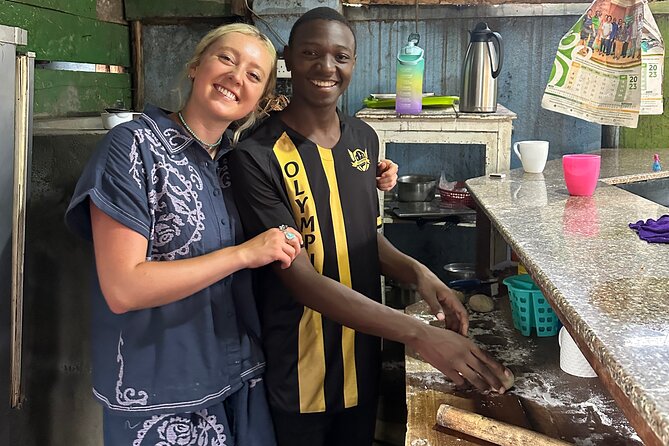
You will do hands-on prep alongside Sylvia’s family. People describe helping prepare dishes, not just watching what others do. You will also get explanations in English, so you can connect the steps you are doing to the end flavor.
One more note on the style of cooking: when you cook over fire, nothing is “perfectly controlled” like a modern oven. That can be part of the fun, but it also means the kitchen might feel hotter and more smoky than you are used to. If you are sensitive to smoke, that is worth keeping in mind.
Lunch is the point, and it is served with the group
This experience is built around one big idea: you cook, then you eat together. The lunch is included, and it is not positioned as a quick bite before you leave.
You are also likely to get coffee and/or tea during the session, in addition to the spiced tea welcome. That makes the whole afternoon feel like a shared meal at someone’s house, with food moving in stages rather than one instant plate and out the door.
People mention generous portions and staying for hours because the family experience pulls you in. You do not just leave with recipes, you leave with a full belly and a different sense of how food connects people.
And yes, dancing is part of the day. It is not treated as a show, it is part of celebrating Uganda together while you cook and eat.
Dietary needs: adaptations are possible, but ask clearly
If you need gluten free, vegetarian, or dairy free options, the class is designed to accommodate these needs upon request. That is a big deal for value, because it means you are not stuck with a bland fallback option or forced to sit out.
That said, you should communicate your needs clearly at booking. The more specific you are, the easier it is for the family to adjust ingredients and choices.
I also like that the menu is built around a few recipes, so adaptations can be handled more deliberately than in a class that covers many dishes with lots of mixed components.
Why the traditional approach feels authentic, not staged
A lot of experiences claim authenticity. This one is closer to the real thing because it is tied to Sylvia’s upbringing in a rural village in western Uganda and her focus on preserving traditional food preparation methods.
You can taste the difference in the cooking style, especially the smoky fire method. But the bigger value is that you are seeing a living tradition, not an invented performance for visitors. People describe the experience as homely, family cooking at its best, and a must-do way to explore Uganda.
It is also educational in a grounded way. You are not just learning what to do, you are learning why the food is made the way it is. That helps you understand what you ate, so it becomes more than a one-time meal.
Price and value: $45 for market time plus a full lunch
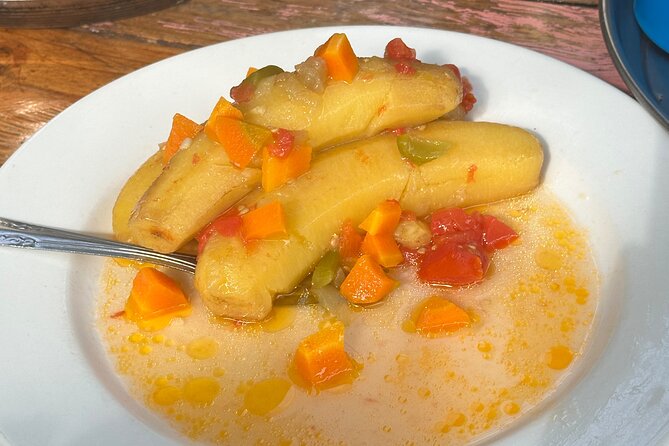
$45 per person for about 3 and a half hours in a private setting may sound straightforward, but here is why the value feels solid: you are paying for more than recipes.
You are paying for:
- Market shopping time with guidance
- Cooking with traditional fire-based methods
- An English guide
- Lunch plus tea and coffee and/or tea
- A private group experience where you can ask questions
In other words, you are buying access to a real family afternoon. For solo travelers, this can also be a social win because you are not spending the day alone with strangers. For couples or families, it is a shared activity with a clear payoff: a meal you helped create.
The only obvious cost note is that alcoholic beverages are not included. If you want alcohol, you will need to plan for that separately.
Who this cooking class suits best
This is a great fit if you want a hands-on cultural experience with food at the center. It works well for:
- adventurous solo travelers who want conversation and a personal welcome
- couples who want something beyond restaurants
- families looking for an engaging activity with clear structure
It is also a strong choice if you care about food culture and want to understand how traditions are kept alive. The day is designed for people who like learning through doing, and who are comfortable with a shared, family-style meal.
If you are the type who wants a tightly timed, silent, studio-like class, you might find this style less controlled. The warmth, laughter, and dancing are part of the point.
Practical tips to make the day smoother
Here are a few practical things to think about before you go:
- Wear comfortable shoes for the market walk and kitchen movement.
- Bring a light layer if you run cold easily, because indoor kitchen areas can vary.
- If you are sensitive to smoke, mention it ahead of time. You will still experience fire cooking, but planning helps.
- Tell your guide clearly about any gluten free, vegetarian, or dairy free needs.
- Plan for an afternoon meal. Since lunch is included, treat it as your main food stop rather than squeezing it between other heavy plans.
Also, since it is a private tour and only your group participates, you get a more flexible feel. That is especially helpful if you have questions about ingredients or steps as you cook.
Should you book this Ugandan cooking experience?
I think you should book if you want a meal with context. This class is not just about recipes, it is about market choices, traditional methods, and a family atmosphere centered on sharing.
Book it if you:
- enjoy hands-on cooking more than watching
- want to shop for ingredients and learn how fresh produce shapes flavor
- care about authenticity tied to real home traditions
- have dietary restrictions and want options that can be adapted by request
Skip it only if you strongly prefer a low-smoke environment, or if you want a class that feels like a professional demo rather than a family hangout. Otherwise, this is the kind of experience that gives you both food and a human connection, and that combo is hard to beat in a single half-day.
FAQ
How long is the private Ugandan food cooking class?
It lasts about 3 hours and 30 minutes.
What is the price per person?
The price is $45.00 per person.
Where does the experience start and end?
It starts at 61 Kiwafu Rd, Entebbe, Uganda, and it ends back at the meeting point.
What is included in the experience?
Lunch is included, along with an English guide and coffee and/or tea. You are also greeted with traditional Ugandan spiced tea when you arrive.
Can the menu be made for gluten free, vegetarian, or dairy free diets?
Yes, the recipes can be made gluten free, vegetarian, or dairy free upon request.
Does the experience include alcohol?
No, alcoholic beverages are not included.
What is the cancellation policy?
You can cancel for free up to 24 hours in advance for a full refund. If you cancel less than 24 hours before the start time, the amount paid is not refunded.
The Rest of the Uganda File

Sitting Down With Communities

Kampala by the Plate
Other Uganda trips we have written up
- 7-Day Uganda Adventure Safari – Midrange Lodges★ 5.0 · 3 reviews
- 5 days gorillas and chimpanzee tracking★ 4.5 · 3 reviews
- A Thrilling 1-Day Rhino Tracking Tour in Uganda★ 5.0 · 3 reviews
- 3 Days Murchison Falls Wildlife Safari★ 4.5 · 3 reviews
- 10 Day Gorilla Chimps and Big 5 Safari★ 5.0 · 3 reviews
Kampala Food & Drink Tours, compared.
 ★ 5.0Cooking Class for Typical Ugandan Food in KampalaFrom $3225 reviews
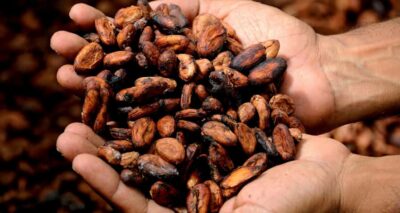 ★ 4.9Hands-On Chocolate Making ExperienceFrom $2918 reviews
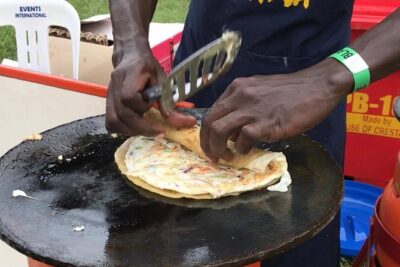
 ★ 4.6Three-Hour Food TourFrom $7115 reviews
 ★ 5.0Nighttime Boda Boda Street Food TourFrom $916 reviews
 ★ 5.0Kampala Pub Crawl | Uganda | 4 hoursFrom $654 reviews
 ★ 4.0Like a local cooking ToursFrom $264 reviews
 ★ 5.0Fishing Village Food Tour & Luwombo StopFrom $1013 reviews
Browse the lists this tour appears in