
REVIEW · KAMPALA FOOD & DRINK TOURS
Cooking Class for Typical Ugandan Food in Kampala
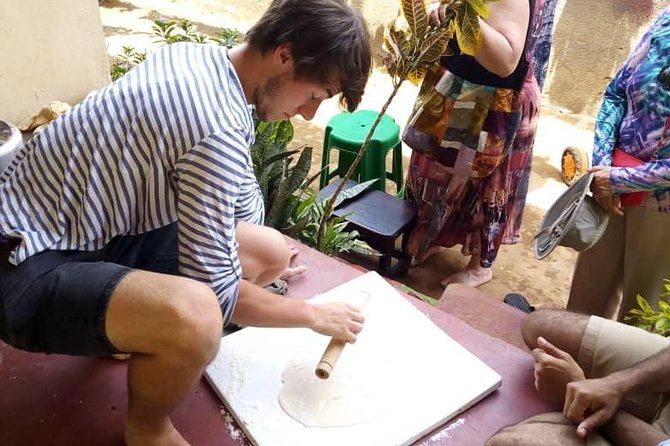
Ugandan food starts with hands-on work, not shortcuts. This half-day Kampala cooking workshop has you prepping real ingredients with Gertrude, then relaxing over the meal you helped make. Two things I really like are the small-group setup capped at 10 and the focus on practical skills you can repeat later, like handling banana leaves and cooking Ugandan staples such as matooke.
The main consideration: you’re doing a purely vegetarian menu, so if you only eat meat, you might feel underfed by the time you sit down. Also, since the class runs about 4 hours, it helps if you can give it your full attention rather than squeezing it in between long sightseeing days.
In This Review
- Key Things to Know Before You Go
- From Nansana Meeting Point to a Real Home Kitchen in 4 Hours
- Meet Gertrude and Learn Kampala Food Culture, Not Just Techniques
- Hands-On Prep: Cassava, Yams, Pumpkin, and Plantains
- Matooke and Ugandan Staples: The Dishes You Can Recreate
- Banana Leaves: Tool, Wrap, and Traditional Ingredient
- Cooking With a View, Then Eating Without Rushing
- Price and Value: Is $32 Worth It in Kampala?
- Who This Cooking Class Fits Best (and Who Should Pass)
- How to Get the Most Out of Your 4 Hours
- Should You Book This Ugandan Cooking Class in Kampala?
- FAQ
- How long is the cooking class?
- How much does the cooking class cost?
- How many people are in the group?
- What will I learn to cook?
- Do I peel and prepare ingredients myself?
- Are there specific Ugandan dishes mentioned?
- Is the class mostly about eating what you cook?
- Where is the meeting point?
- Is there free cancellation?
- What if the weather is bad?
Key Things to Know Before You Go
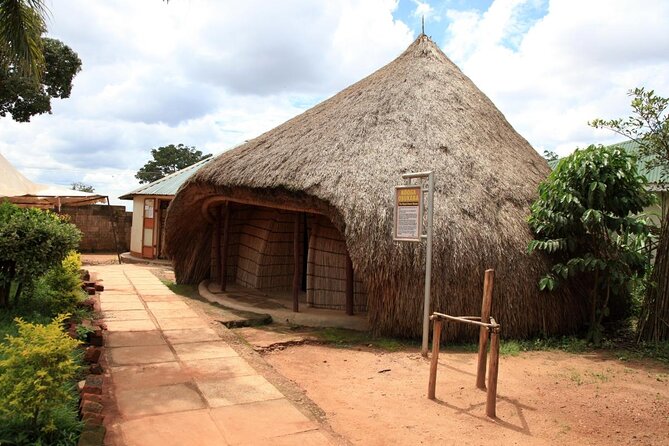
- Max 10 people, so you get real interaction with your host while you prep and cook
- Vegetarian, Ugandan recipes from start to finish, including peeling and processing local produce
- Matooke-focused cooking, plus sauce work like the popular G-Nut Sauce
- Banana leaves education, including traditional ways to prep and use them
- Sit-down meal included, with the satisfaction of eating what you cooked, not just sampling
Eating and drinking your way round Kampala
- Cooking Class for Typical Ugandan Food in Kampala
★ 5.0 · 25 reviews - Kampala: Hands-On Chocolate Making Experience
★ 4.9 · 18 reviews - Kampala: Three-Hour Food Tour
★ 4.6 · 15 reviews - Nighttime Boda Boda Street Food Tour
★ 5.0 · 6 reviews
From Nansana Meeting Point to a Real Home Kitchen in 4 Hours
This cooking class starts at Steve Residence, Little Muheji School Rd, Nansana, Uganda, and it ends back at the same meeting point. It runs about 4 hours, which is long enough to learn the process and taste the results, but short enough that you do not lose a whole day to cooking logistics.
I like that it is a small-group format, capped at 10 travelers. In practice, that changes the whole feel. You spend less time waiting around and more time with a knife, a pot, and questions. It also means your host can actually notice what you are doing, correct small mistakes, and help you get confident with ingredient prep.
It is also listed as near public transportation, which matters in Kampala. If you are trying to keep your day flexible, you are not stuck relying on private transport only. If you do plan to arrange transport, ask early, since the class happens at the host’s home location rather than in a big cooking school building.
Meet Gertrude and Learn Kampala Food Culture, Not Just Techniques
The heart of this experience is your host, Gertrude, and the way she treats the class like more than a show. You are not just standing near a counter watching someone else cook. You are pulled into the real flow of food prep, with conversation as you work.
One standout detail is learning about native plants used in everyday life. You get practical context for what you are cooking, and that makes the food feel less mysterious and more logical. You also learn traditional ways to peel, process, and consume ingredients, including banana leaves, which are a key part of Ugandan cooking.
From a traveler perspective, this matters because it turns the class into cultural understanding you can carry home. When you know why an ingredient is used or how it is handled, the recipe becomes yours, not a vague list of steps.
Hands-On Prep: Cassava, Yams, Pumpkin, and Plantains
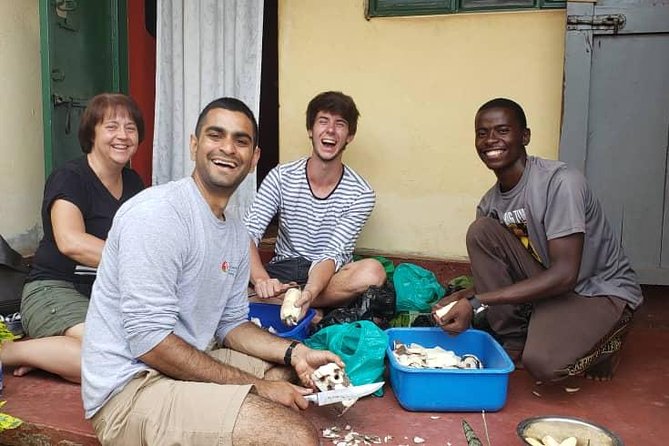
This is a working cooking class. You will peel and slice local produce such as cassava, yams, pumpkin, and plantains. That hands-on prep is not a small extra. It shapes the whole class because you learn what takes time, what changes texture, and what affects taste later.
Ugandan staples often rely on ingredients that behave differently than many Western pantry foods. Cassava and yams can be starchy and require careful handling. Plantains bring sweetness and body. Pumpkin cooks down into a comforting texture. When you prep these yourself, you start understanding the cooking logic, not just copying a method.
Practical tip: wear clothes you do not mind getting a little messy. Even if things stay clean, peeling and slicing can leave you splashed or sticky. Also plan to bring a curious attitude. This type of class rewards questions, especially when you are learning how to process ingredients in traditional ways.
Other Ugandan tables we sat at
Matooke and Ugandan Staples: The Dishes You Can Recreate
A big reason people book this workshop is the meal itself. The class focuses on vegetarian Ugandan staples, including matooke, and it walks you through preparing the dishes from start to finish. Matooke is widely recognized as a home-style favorite, and learning it properly gives you a centerpiece recipe you can try again later.
You should expect the cooking to include more than one element. There is prep, cooking stages, and then combining flavors for a final plate. The goal is not just to taste something new, but to learn the pattern: prep ingredients, cook them until they reach the right softness or texture, and season in a way that fits Ugandan home cooking.
One dish highlight in the experience is the G-Nut Sauce. If you love peanut-based flavors, this is a moment to pay attention. Watch how it thickens and how it balances with the rest of the meal. Sauce work is where many visitors accidentally under-season at home, so learning the rhythm while you cook makes your future attempts more reliable.
Banana Leaves: Tool, Wrap, and Traditional Ingredient
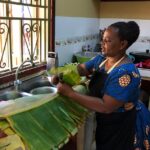
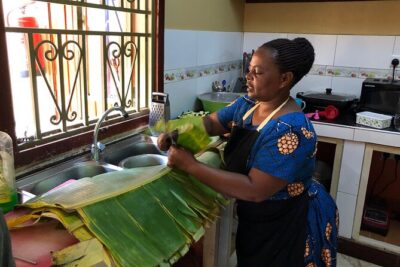
You will hear a lot about banana leaves, and not just as a decorative detail. They are part of traditional Ugandan preparation and how food is processed and served. In the class, you learn ways to handle banana leaves in a traditional style, which gives you a concrete skill you can use again when you cook with plant-based ingredients.
This is one of those travel details that sounds small until you try it. Learning the correct approach helps you understand why cooks use leaves in the first place: they protect, they shape presentation, and they connect the meal to everyday local practice.
If you are a “show me how it is done” person, banana leaf prep will feel like a real win. And if you are the type who loves making food look impressive, you will appreciate having a method you can recreate.
Cooking With a View, Then Eating Without Rushing
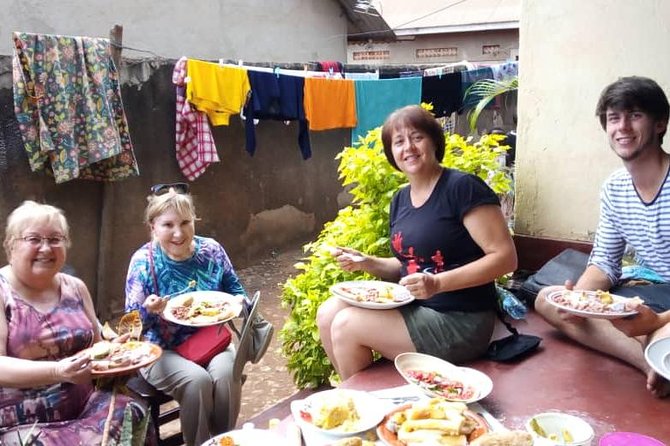
After you finish the prep and cooking, the class turns into the reward phase. You sit down and enjoy the meal you helped prepare. This is not a quick grab-and-go stop. It is a proper sit-down time to taste what you made and relax.
Another practical perk is the setting. The host’s place has a view that is described as amazing, and you get a natural photo opportunity while food cooks. That matters because cooking classes can sometimes feel stuck indoors, like you are trapped in a kitchen for hours. Here, you get a calmer atmosphere between tasks, and that makes the whole day easier on your brain.
I also like that the class time includes time to chat and swap stories. You are learning, but you are also connecting with a real person in a real home environment. That is the kind of authenticity that never feels forced.
Price and Value: Is $32 Worth It in Kampala?
At $32 per person for an approximately 4-hour, small-group workshop, this is good value if you care about learning real cooking steps. You are not paying for a generic tasting menu. You are paying for ingredient prep, cooking instruction, and a sit-down meal based on traditional vegetarian recipes.
The “small group up to 10” cap is part of the value equation. In bigger groups, you often get a quick demo and then a lot of waiting. Here, you can stay active throughout the class, which is exactly what you want when the learning goal is practical.
You also get a host-guided cultural layer, including native plant knowledge and banana leaf handling. When you compare that to a more standard cooking workshop where the focus is only on recipes, the extra context is what makes the class feel worth repeating at home.
One more value angle: booking tends to happen about 8 days in advance on average. That hints that people are planning ahead, and that is usually a good sign for a consistently popular activity.
Who This Cooking Class Fits Best (and Who Should Pass)
This workshop is ideal if you:
- Want to learn Ugandan cooking techniques you can repeat at home
- Prefer a vegetarian meal with classic local dishes
- Like hands-on cooking, not just watching
- Enjoy cultural exchange while you cook
It is less ideal if you only want meat-heavy dishes. Since the menu is described as purely vegetarian, you should go in expecting plant-based flavor as the main star.
If you want a “quick foodie snack experience,” this might also feel like more work than you want. You are peeling, slicing, processing, and cooking. That is the point, but it is good to know before you book.
How to Get the Most Out of Your 4 Hours
To enjoy this class, show up ready to participate. You will peel and slice ingredients like cassava, yams, pumpkin, and plantains, and you will learn processing steps linked to traditional use. If you want to remember things later, ask questions while the pot is still warm. Timing helps your brain stick the details.
Also, treat the meal as part of the lesson. Taste deliberately: notice the texture of matooke, how the G-Nut Sauce coats, and how flavors work together on the plate. When you do that, you walk away with more than a full stomach, you leave with a mental recipe map.
Finally, bring a little patience for the process. Traditional cooking has rhythm. Some ingredients take longer to reach the right softness. When you respect that flow, the class feels satisfying instead of rushed.
Should You Book This Ugandan Cooking Class in Kampala?
If you want an experience that is practical, cultural, and genuinely hands-on, I think you should book it. For $32 and about 4 hours, you get small-group attention, a vegetarian Ugandan menu featuring matooke, banana leaf know-how, and the fun of sitting down to eat what you cooked.
I would only skip it if you are not interested in vegetarian Ugandan dishes or if you hate any chance of getting a little messy during food prep. If that sounds fine, this is exactly the kind of Kampala activity that turns a meal into a skill.
FAQ
How long is the cooking class?
The class lasts about 4 hours.
How much does the cooking class cost?
The price is $32.00 per person.
How many people are in the group?
This activity has a maximum of 10 travelers.
What will I learn to cook?
You’ll learn how to prepare typical Ugandan dishes from start to finish, using vegetarian recipes.
Do I peel and prepare ingredients myself?
Yes. You peel and slice local produce such as cassava, yams, pumpkin, and plantains as part of the workshop.
Are there specific Ugandan dishes mentioned?
Yes. The class includes vegetarian staple dishes such as matooke, and you’ll prepare sauces like the G-Nut Sauce.
Is the class mostly about eating what you cook?
You cook together and then sit down to enjoy the meal based on traditional plant-based recipes.
Where is the meeting point?
The start point is Steve Residence, Little Muheji School Rd, Nansana, Uganda.
Is there free cancellation?
Yes. Free cancellation is available, and you can cancel up to 24 hours in advance for a full refund.
What if the weather is bad?
This experience requires good weather. If it is canceled due to poor weather, you’ll be offered a different date or a full refund.
More Ugandan Tables
The Rest of the Uganda File



Kampala by the Plate
Other Uganda trips we have written up
- 7-Day Uganda Adventure Safari – Midrange Lodges★ 5.0 · 3 reviews
- 5 days gorillas and chimpanzee tracking★ 4.5 · 3 reviews
- A Thrilling 1-Day Rhino Tracking Tour in Uganda★ 5.0 · 3 reviews
- 3 Days Murchison Falls Wildlife Safari★ 4.5 · 3 reviews
- 10 Day Gorilla Chimps and Big 5 Safari★ 5.0 · 3 reviews
Kampala Food & Drink Tours, compared.
 ★ 4.9Hands-On Chocolate Making ExperienceFrom $2918 reviews
 ★ 4.6Three-Hour Food TourFrom $7115 reviews
 ★ 5.0Private Ugandan Food Cooking Class and Culture ExperienceFrom $456 reviews
 ★ 5.0Nighttime Boda Boda Street Food TourFrom $916 reviews
 ★ 5.0Kampala Pub Crawl | Uganda | 4 hoursFrom $654 reviews
 ★ 4.0Like a local cooking ToursFrom $264 reviews
 ★ 5.0Fishing Village Food Tour & Luwombo StopFrom $1013 reviews
Browse the lists this tour appears in