
REVIEW · KAMPALA FOOD & DRINK TOURS
Like a local cooking Tours
That smoky pan smell is real. This is a small-group Kampala food day that mixes market shopping with cooking in a family home. You’ll get stories about food, history, and daily culture while learning practical skills you can actually use later.
What I like most is the hands-on part, not just watching. I especially like how the hosts teach key techniques, and how the female guides (and a young female student chef) keep the day personal and easy to follow. Another big plus is the shared table, where you eat what you helped make, in a warm, family-style setup.
One thing to think through first: the tour price covers the guide, and you’ll still need to budget for shopping at the market (and transport to the host home is not included). Also, this is lunch-focused, so don’t plan on an included dinner.
In This Review
- Key Points to Know Before You Go
- Why Kampala Cooking in a Real Home Beats a Standard Restaurant Meal
- Meeting at Uganda National Mosque and Getting Oriented Fast
- Owino Market Shopping: Ingredient Lessons and Extra Costs to Plan For
- Cooking Lesson at the Host Home: Matooke Skills and Family-Style Pride
- Lunch, Stories, and Culture Checks at the Shared Table
- Price and Logistics: Getting Real Value from $26
- Who This Tour Fits Best (and Who Should Choose Another Style)
- Practical Tips for a Smooth 4-Hour Kampala Food Day
- Should You Book This Kampala Cooking Experience?
- FAQ
- Where is the meeting point for the Kampala cooking tour?
- How long does the tour last?
- What is included in the $26 price?
- Are alcoholic beverages included?
- Do I have to pay extra for ingredients or drinks?
- How big is the group?
- What if the weather is bad or plans change?
Key Points to Know Before You Go
- Small group size (max 10) makes it feel like an intentional hang, not a food stampede.
- Female guides and a student chef add a special local perspective and energy to the cooking lesson.
- Owino market ingredient shopping is part of the experience, not a side stop.
- Lunch is included, but market shopping for food and drinks is on you.
- You’ll end back at the meeting point, which keeps the timing simple for a 4-hour outing.
Eating and drinking your way round Kampala
- Cooking Class for Typical Ugandan Food in Kampala
★ 5.0 · 25 reviews - Kampala: Hands-On Chocolate Making Experience
★ 4.9 · 18 reviews - Kampala: Three-Hour Food Tour
★ 4.6 · 15 reviews - Nighttime Boda Boda Street Food Tour
★ 5.0 · 6 reviews
Why Kampala Cooking in a Real Home Beats a Standard Restaurant Meal
Kampala has plenty of places to eat, but this experience focuses on the part right before the meal. You’ll shop for ingredients, then cook together with hosts, so the food makes more sense once you taste it. It also turns the day into a conversation, because guides and hosts tie dishes to everyday life.
In the best moments, you’re not just consuming. You’re learning why certain ingredients show up together, how preparation changes the final taste, and how families approach cooking as a shared skill. From what you’ll see during the lesson, you’ll likely walk away remembering specific steps, not just flavors.
This kind of home-cooking format is also where culture feels practical. People talk about food, but they also talk about what’s normal in Kampala, how schedules work, and what people look forward to at home. That’s harder to get from a meal that arrives already finished on a plate.
Meeting at Uganda National Mosque and Getting Oriented Fast
Your day starts at the Uganda National Mosque on Old Kampala Road. The location is central and close to public transportation, which matters because a short, 4-hour tour can run on timing. You’ll meet your guide group, get a quick overview, and then set off with your hosts.
What I like about this start point is that it gives you a clear anchor. It’s easier to manage your day when you know exactly where you begin and where you return. The tour also ends back at the meeting point, so you’re not stuck figuring out transport at the end when you’re hungry.
Because the group is capped at 10 travelers, the guide can actually talk to everyone as you move. That keeps the experience grounded, and it reduces the awkward feeling of being shuffled along with no time to ask questions.
Owino Market Shopping: Ingredient Lessons and Extra Costs to Plan For
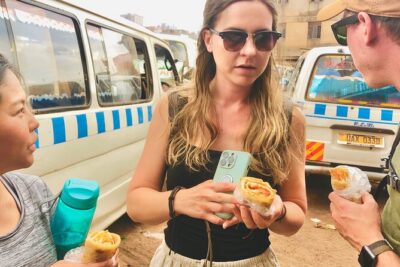
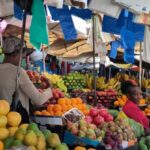
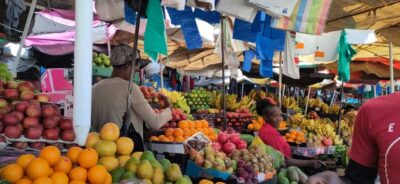
One of the most valuable parts happens at the market. You’ll visit Owino Market to buy the ingredients for what you’ll cook. This is where you see real purchasing, not a staged demo. It also helps you understand portion sizes and what goes into a dish beyond the final plated look.
Now for the practical part: shopping is not included in the $26 price. The tour description specifically says shopping fees for the food and drinks to be prepared are not included, and a guide response also made it clear that what you pay is the guide fee, with ingredient shopping costs at your cost. So if you want a smooth day, bring extra money for market purchases.
Why this matters for value
If you’re comparing prices, don’t just look at the ticket. The ticket gets you the guided cooking experience and lunch, but the ingredients still need to be purchased. Budgeting for that up front keeps you from feeling surprised mid-tour, and it lets you participate without stress.
What to watch for while buying ingredients
Ask your guide what items are essential and what might vary by household preference. You’ll learn fast that recipes in real homes adjust based on what’s available and what families like. Even if you can’t name every ingredient, you’ll understand the logic by the time you get to the cooking steps.




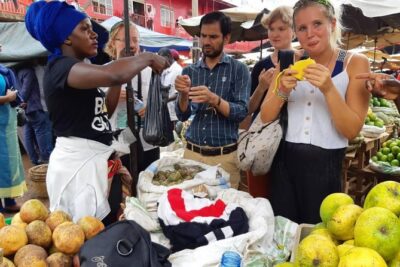
Cooking Lesson at the Host Home: Matooke Skills and Family-Style Pride
After the market, you’ll head to the host home. This is where you’ll cook, eat, drink, and explore along the way as you learn how local meals come together. The experience is led by local female guides and supported by a young female student chef, which brings a specific warmth and pace to the cooking.
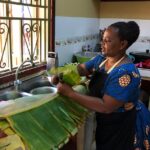
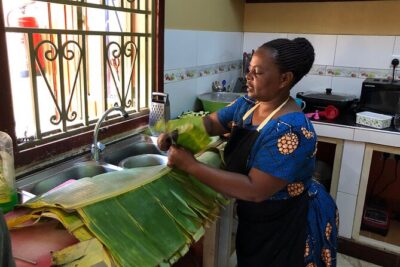
Hands-on cooking is the highlight here. In particular, you may learn steps for matooke, including peeling correctly and steaming it in matooke leaves. That kind of instruction is gold if you like food, but it’s also useful if you’re a curious traveler who wants to understand how technique changes the result.
And it’s not just one task. You’re likely to do more than stand nearby. With the host family, you’ll get an actual cooking rhythm, the way you would if you were visiting someone’s kitchen. That includes learning what to prepare first, how people check doneness by sight, and how meals are timed so everyone eats together.
You’ll also hear stories while you work. Some of the best conversations happen naturally while you’re waiting for something to steam or simmer. If you’re paying attention, you’ll notice how guides connect dishes to daily life, not just facts for tourists.
Lunch, Stories, and Culture Checks at the Shared Table
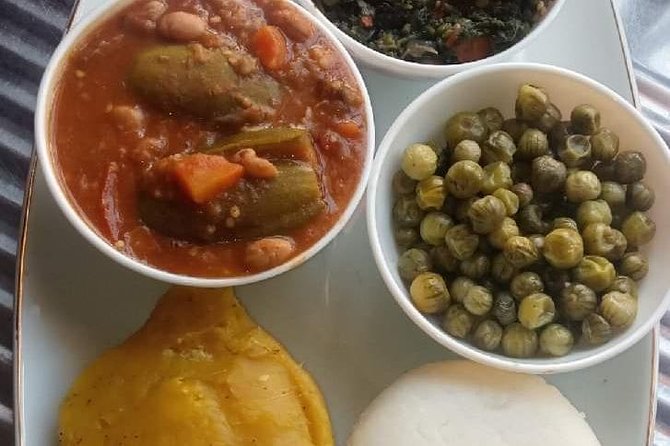
Lunch is included, and it’s served as part of the cooking flow. That matters because you don’t just taste the food, you taste it in context, after you’ve helped prepare it. You’ll likely eat what you made with the host family, which is a big part of why this feels personal.
The shared table also gives you an easy way to ask questions. Names you may meet include Fatumah, Hannah, Rosette, and Doreen, based on past experiences. You’ll also hear plenty of discussion about food choices and culture, and you’ll get the feeling that the hosts want you to understand, not just consume.
One of the most praised aspects of this kind of day is the warmth. Hosts tend to be open with conversation, and guides encourage you to ask about daily routines and food traditions. That’s also where you can learn small practical details that never make it into a menu listing.
Food-wise, expect Uganda-style comfort rather than fine-dining fuss. It’s focused on making something satisfying with ingredients you picked up together. Even if you’re not a big cook at home, you can still feel competent by the time lunch lands.
Price and Logistics: Getting Real Value from $26
At $26 per person, this is priced as an experience, not a meal deal. The ticket covers the guide-led cooking experience and lunch, with mobile ticket delivery. But do not treat it as all-inclusive.
Key items not included:
- Alcoholic beverages
- Transportation fees to the host home
- Shopping fees for the food and drinks to be prepared
So what’s the value?
You’re paying for a guided, small-group, hands-on day that connects market life to kitchen life. The learning is the product, and the meal is part of the lesson. If you love food and you want more than a standard restaurant visit, the price makes sense even after you add ingredient shopping costs.
The common disappointment to avoid
If you’re expecting more than lunch, plan differently. This experience is structured around lunch, not lunch plus dinner, and the extra shopping costs can change what you end up eating and drinking. The earlier you budget for market purchases, the more likely you’ll feel satisfied with the whole day.
Who This Tour Fits Best (and Who Should Choose Another Style)
This works best if you like food, conversation, and learning by doing. If you’re the type who gets more excited by how something is made than what’s on the plate, you’ll probably enjoy it a lot. It also fits well for solo travelers who want interaction with real people and a smaller group energy.
It’s also a strong option if you want a female-led, community-forward experience. The guides are local women, and a young female student chef joins in, which adds a meaningful dynamic beyond the usual tour format.
Who might reconsider
If you want a low-effort, fixed-price meal with no extra spending, this may feel too flexible for you. Because shopping costs and transport to the host home are not included, you’ll need to handle a bit of budgeting and maybe a bit of payment coordination during the day.
Also, expect a cooking-and-market rhythm. Even without lots of formal activities spelled out, market visits and home cooking naturally involve movement and waiting times. If you prefer ultra-structured, mostly seated sightseeing, you might want a different kind of tour.
Practical Tips for a Smooth 4-Hour Kampala Food Day
This is an approximate 4-hour outing, starting and ending at the same meeting point. That time frame is ideal if you want a full food experience without sacrificing your whole afternoon.
Bring budget thinking, not guesswork
Because shopping for ingredients and drinks to be prepared is not included, set aside money for market purchases. You’ll also want to consider transport costs to the host home since those fees are not included.
Use the small group to your advantage
With up to 10 travelers, you can ask questions while you cook and while you’re shopping. If you’re curious about matooke technique, spice choices, or how households cook for family schedules, ask. Guides like Fatumah, Hannah, Rosette, and Doreen style the day around conversation, so you’ll get more out of it if you talk.
Go in expecting weather to matter
The experience notes that it requires good weather. If Kampala weather looks unsettled, plan to be flexible and accept that the activity might shift or cancel depending on conditions.
Should You Book This Kampala Cooking Experience?
Yes, I’d book it if you want an authentic Kampala food day built around people, not just plates. The best reason is the structure: market shopping, cooking with hosts, and a shared lunch that feels like you’re visiting a real home kitchen. If you’re interested in learning specific technique, like how matooke is peeled and steamed in leaves, this is the kind of experience that sticks.
I would hesitate only if you strongly prefer fixed costs with zero surprises. Since shopping fees and transport to the host home are not included, your enjoyment depends on planning for those extra expenses. If you’re comfortable budgeting a little extra for ingredients and you’re excited to talk and learn, this is a solid way to spend 4 hours in Kampala.
FAQ
Where is the meeting point for the Kampala cooking tour?
You start at the Uganda National Mosque on Old Kampala Road in Kampala, Uganda. The tour ends back at the same meeting point.
How long does the tour last?
The tour duration is approximately 4 hours.
What is included in the $26 price?
Lunch is included.
Are alcoholic beverages included?
No, alcoholic beverages are not included.
Do I have to pay extra for ingredients or drinks?
Yes. Shopping fees for the food and drinks to be prepared are not included, so you will need to cover those costs.
How big is the group?
The tour has a maximum of 10 travelers.
What if the weather is bad or plans change?
The experience requires good weather. You can cancel for a full refund up to 24 hours in advance.
Other Uganda Trips



The Rest of the Uganda File
Kampala by the Plate
Other Uganda trips we have written up
- 7-Day Uganda Adventure Safari – Midrange Lodges★ 5.0 · 3 reviews
- 5 days gorillas and chimpanzee tracking★ 4.5 · 3 reviews
- A Thrilling 1-Day Rhino Tracking Tour in Uganda★ 5.0 · 3 reviews
- 3 Days Murchison Falls Wildlife Safari★ 4.5 · 3 reviews
- 10 Day Gorilla Chimps and Big 5 Safari★ 5.0 · 3 reviews
Kampala Food & Drink Tours, compared.
 ★ 5.0Cooking Class for Typical Ugandan Food in KampalaFrom $3225 reviews
 ★ 4.9Hands-On Chocolate Making ExperienceFrom $2918 reviews
 ★ 4.6Three-Hour Food TourFrom $7115 reviews
 ★ 5.0Private Ugandan Food Cooking Class and Culture ExperienceFrom $456 reviews
 ★ 5.0Nighttime Boda Boda Street Food TourFrom $916 reviews
 ★ 5.0Kampala Pub Crawl | Uganda | 4 hoursFrom $654 reviews
 ★ 5.0Fishing Village Food Tour & Luwombo StopFrom $1013 reviews
Browse the lists this tour appears in