
REVIEW · KAMPALA WALKING TOURS
Kampala: City Guided walking sightseeing Tour
Kampala on foot feels real fast. I love the way this tour strings together landmarks and everyday street life in just three hours, and I especially like the local guide storytelling that makes the city’s history feel practical, not textbook. One thing to consider: you’ll do a lot of walking in hilly, busy areas, so comfortable shoes matter.
The route is built around several “you can’t really fake this” stops, from Bagala’s crafts to Owino’s sheer scale. The good news is the guide keeps things flexible, helps with questions, and focuses on your safety, with small-group attention. The possible drawback is that it’s not suitable for mobility impairments, and you may feel traffic crossings are part of the experience.
Key takeaways (quick and useful)
- A small group, up to 6 people, so you can actually ask questions and move at a human pace
- Market time plus monument time, not just photos of stone and statues
- English-speaking guide, with lived-in context about daily Kampala life and Uganda’s past
- Constitutional Square and Independence Monument, paired with the World War Memorial context
- Old Taxi Park and matatu chaos, explained in a way that helps you understand how people get around
- Owino Market (St. Balikuddembe), where the scale of trade hits you fast, around 50,000 traders
In This Review
- First Impressions: what you’re really buying with a 3-hour walk
- Starting Point at Kitenji Uganda Safaris and Tours (and how the timing works)
- Bagala Craft Market: souvenirs with real local makers behind them
- Constitutional Square and the Independence Monument: Uganda’s story in stone
- The local café break: a smart reset in the middle of the walk
- Nakasero Market: fresh produce, spices, and how commerce hums
- Old Taxi Park and matatus: learning the city by watching the flow
- Owino Market (St. Balikuddembe): where scale becomes the story
- What the $22 price buys (and why it feels fair)
- Comfort, safety, and small practical tips that matter
- How to choose this tour for your style of travel
- Should you book this Kampala guided walking tour?
- FAQ
- How long is the Kampala city guided walking tour?
- What language is the guide?
- How big is the group?
- Where does the tour start, and is pick up included?
- What does the price include?
- What if I need to cancel?
First Impressions: what you’re really buying with a 3-hour walk
This is the kind of Kampala tour that helps you understand the city fast. Instead of treating Kampala like a postcard, the walk focuses on how people live, shop, travel, and remember the past. You’re out on foot with an English-speaking guide, and the schedule is tight enough to feel efficient, but loose enough that you can pause, ask questions, and catch your breath.
I like that the emphasis isn’t just “see famous places.” It’s also about reading the streets. You get the sense of how markets pull the city together, and how public transport, crowds, and everyday bargaining work in real time. In reviews, guides were repeatedly praised for being careful with safety and patient with questions, and that matters a lot in a city where the rhythm can feel fast.
For value, the price is clear: $22 per person for about 3 hours with a guide plus admission costs to the main paid stops. You’re not paying extra every time the route hits a checkpoint or ticketed area. If you’re short on time, this is a strong way to get your bearings.
Other Kampala walks, guide by guide
- Kampala’s Best Experience walking tour
★ 5.0 · 137 reviews - Kampala Walking City Tours (Women Guided)
★ 5.0 · 115 reviews - Kampala Walking Tour (3 Hours) with Optional Gaddafi Mosque Visit
★ 5.0 · 112 reviews - Kampala: City Guided walking sightseeing Tour
★ 4.7 · 52 reviews
Starting Point at Kitenji Uganda Safaris and Tours (and how the timing works)
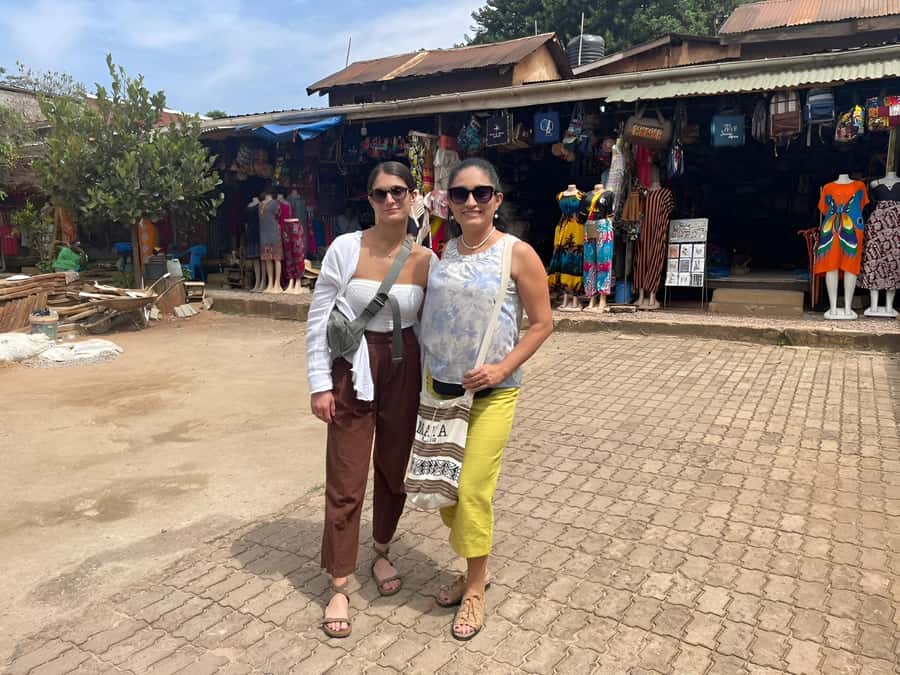
The tour begins at Kitenji Uganda Safaris and Tours. That matters because it keeps things straightforward: you meet your guide, get oriented, then head into the center on foot. There’s no pick-up or drop-off included, so you’ll want to plan how you’ll reach the meeting point.
You also get flexibility in start times. The tour runs 9 am to 7 pm, and after you book, an agent confirms your preferred start time. That’s helpful if you’re juggling another activity earlier in the day or want to avoid peak heat and traffic.
A quick practical note: plan to arrive a little early with a loose schedule. Kampala can move at its own pace, and you’ll get more out of the first minutes if you’re not rushed.
Bagala Craft Market: souvenirs with real local makers behind them
Bagala Craft Market is where the tour slows down and gets personal in a good way. You’re not just looking at mass-produced items. The idea here is to meet local artisans and find crafts like jewellery and textiles, plus other handmade keepsakes.
I like this stop because it’s a break from pure sightseeing. You’ll get a chance to ask questions, understand what’s made locally, and see what people actually buy day to day. If you enjoy shopping, your guide can also make the experience less awkward. Reviews mention guides helping with negotiation in markets, and that same skill is useful here even if you only buy a small item.
How to use this time: set a budget before you go. Markets can tempt you with lots of small, tempting items. And since you may want to carry Ugandan Shillings, it’s smart to have some cash on hand for smaller vendors who might not take card payments.
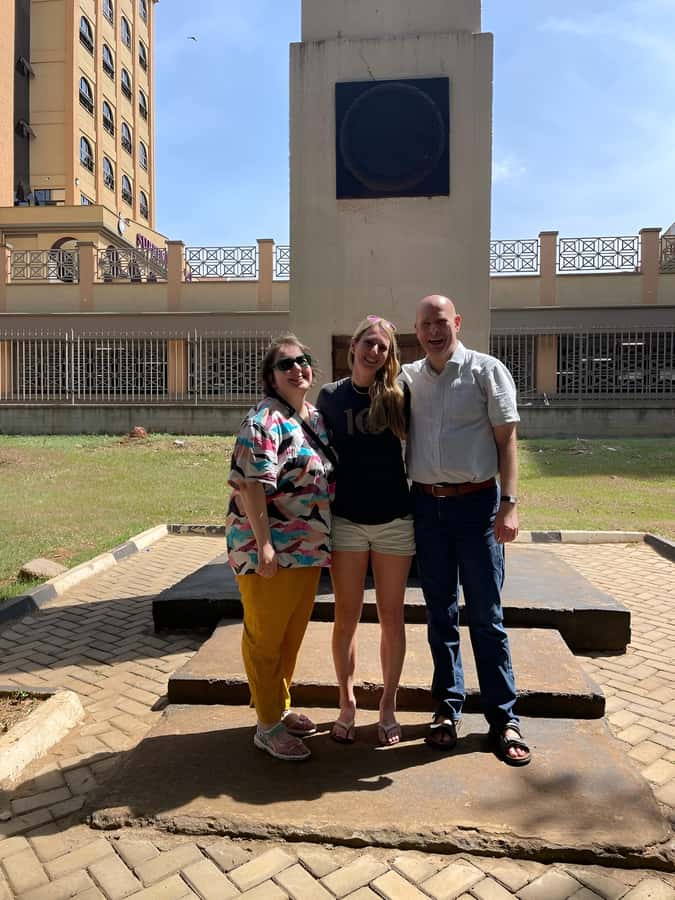
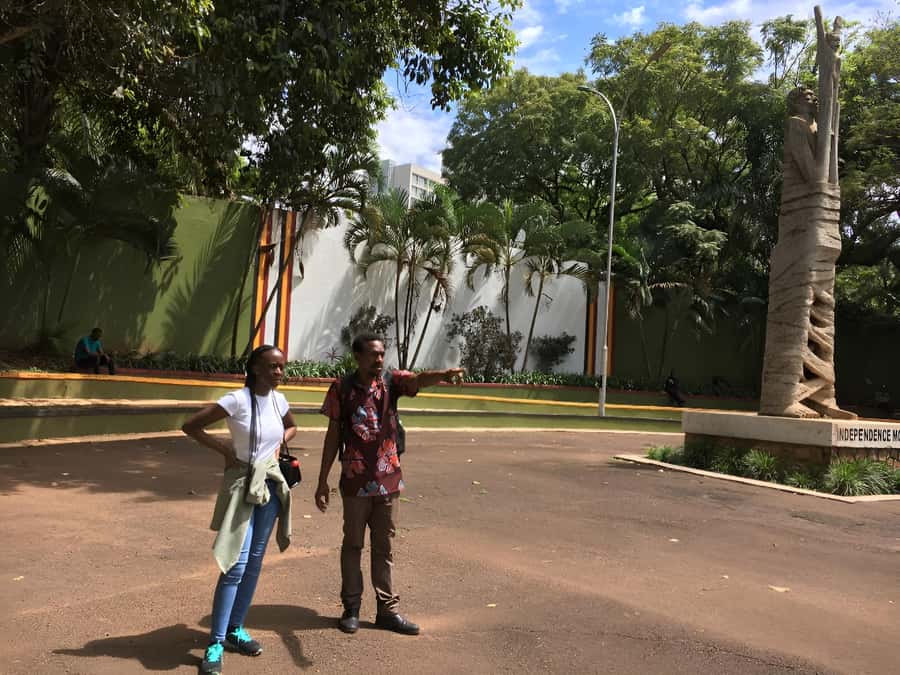
Constitutional Square and the Independence Monument: Uganda’s story in stone
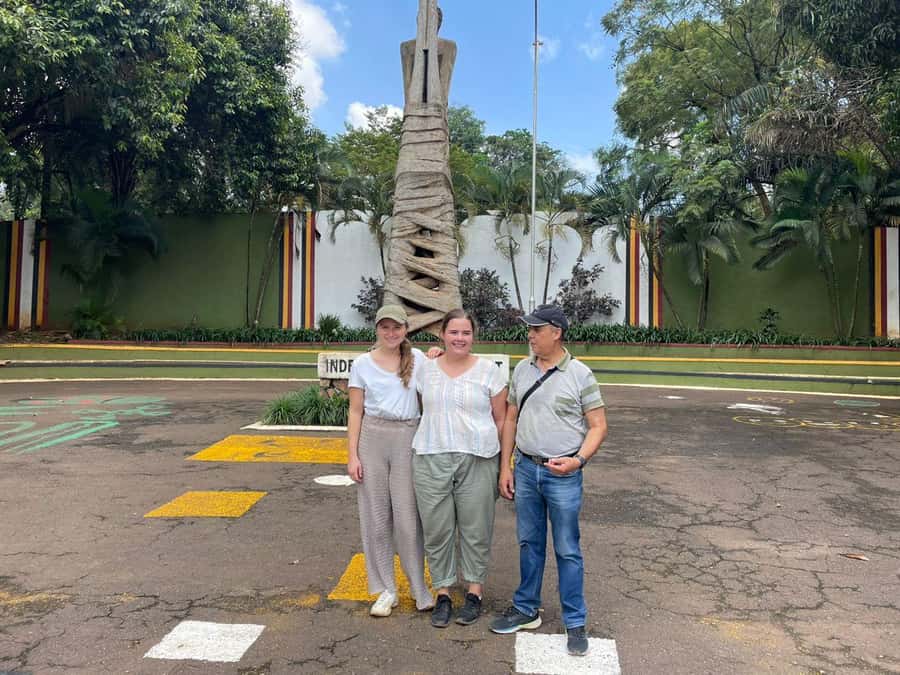
Next comes the constitutional area and the Independence Monument. This isn’t a long stop, but it’s a meaningful one. The monument commemorates Uganda’s independence from British colonial rule in 1962 and sits in a tranquil garden setting, which gives you a small pocket of calm after the noise of markets and streets.
Right near it, you’ll also hear about the World War Memorial. It was built in 1945 by the British colonial government to commemorate Ugandans who died supporting British soldiers during World War I and World War II. Even if you’re not a military history person, the point here is context: Uganda’s modern identity isn’t isolated, it’s tied to larger world events.
I enjoy this pairing because it gives you two timelines in one area: independence as a national turning point, and the war memorial as a reminder of earlier connections. It’s the kind of contrast that helps your brain connect what you see to what you hear.
Photo note: it’s a great place to capture the architecture and surrounding garden, but don’t rush your guide’s explanation. A few minutes of listening can make the monument far more than a photo.
More Uganda walks at street level
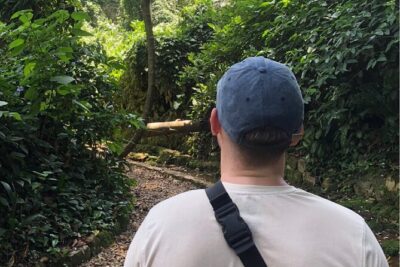
The local café break: a smart reset in the middle of the walk
About halfway through, you get a 15-minute café break. This is genuinely useful in Kampala. Walking plus sun plus crowd noise can drain you faster than you expect, especially if the streets are busy and there are hills.
This stop isn’t presented as a full meal included in the price. You’ll likely buy a drink or snack if you want one, but the main value is giving your legs and head a reset before the next market surge.
If you’re sensitive to heat, treat this as your moment to rehydrate. Even experienced city walkers benefit from a short pause.
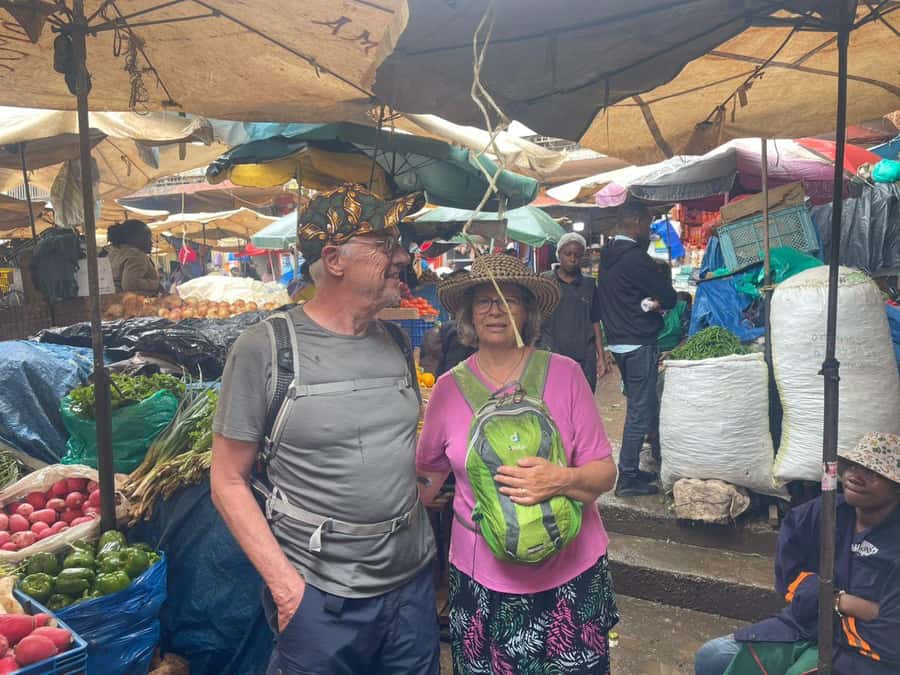
Nakasero Market: fresh produce, spices, and how commerce hums
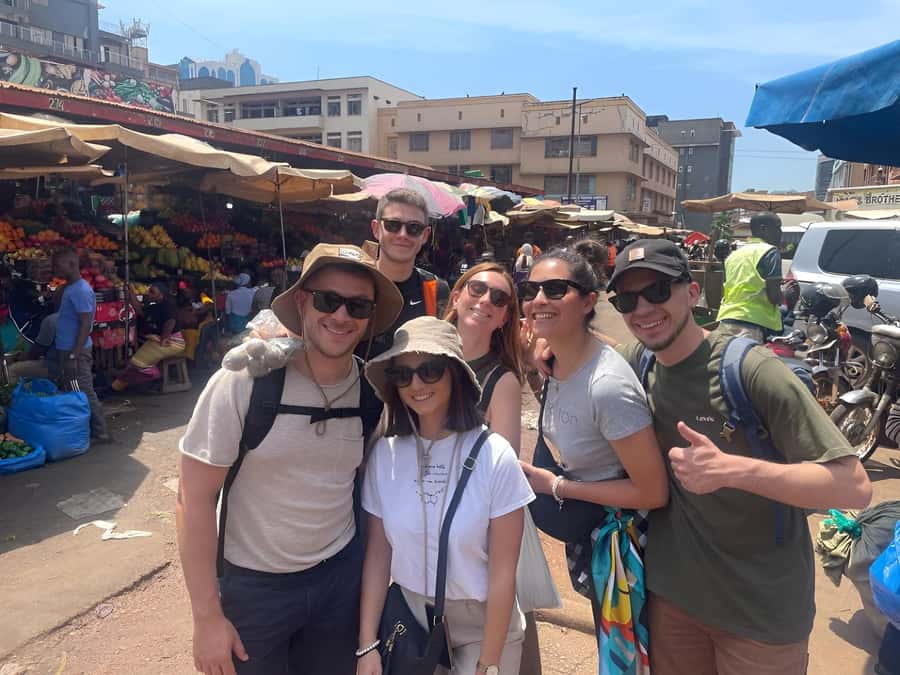
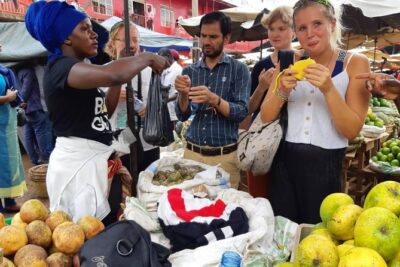
Nakasero Market is a great “daily life” stop. It’s a central produce hub where you can see how commerce works in the middle of the city. The guide helps you read what you’re seeing, so it doesn’t become just a photo stop.
You can expect to pass stalls with fresh fruits and vegetables, and you’ll often see local spices in the mix. The atmosphere is busy, and vendors will be used to questions from locals and visitors. Your job is simple: slow down enough to look, ask what something is if you’re curious, and keep your personal space respectful.
One thing I like about Nakasero as part of this tour is balance. After Independence and World War context, this brings you back to everyday needs. You get the practical layer of the city: food, ingredients, and daily transactions.
Tip: if you want to buy something, do it with your guide nearby. Reviews include examples of guides helping people negotiate in markets and making shopping feel less stressful. Even if your goal is browsing only, you’ll feel more comfortable when you’re not figuring out everything alone.
Old Taxi Park and matatus: learning the city by watching the flow
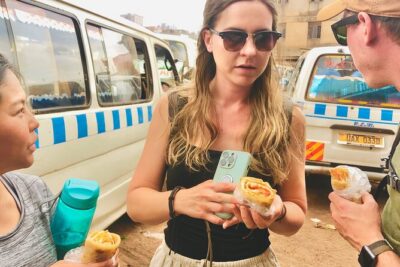
Then you hit Old Taxi Park, a core part of Kampala’s shared transport system. Here, you’ll see the comings and goings of matatus, the shared taxis that move people around the city.
This stop is more interesting than it sounds. Instead of just labeling it as “public transport,” your guide can show you how people actually use it, which is a big part of understanding a city. In reviews, the “I felt safe and guided well” theme came up a lot, which matters here because traffic and crossings can be intimidating if you’re new.
What to expect on foot: you’ll likely be watching how passengers queue, how drivers respond to crowds, and how the movement never really stops. If you’re feeling overwhelmed, that’s normal. Ask your guide to point out what to watch. The point of this stop is not to ride a taxi, it’s to understand the system enough that Kampala feels less random.
Also, wear shoes you’re comfortable getting dirty in. This part of the city can be dusty, and you’ll be standing around while the taxi flow happens.
Owino Market (St. Balikuddembe): where scale becomes the story
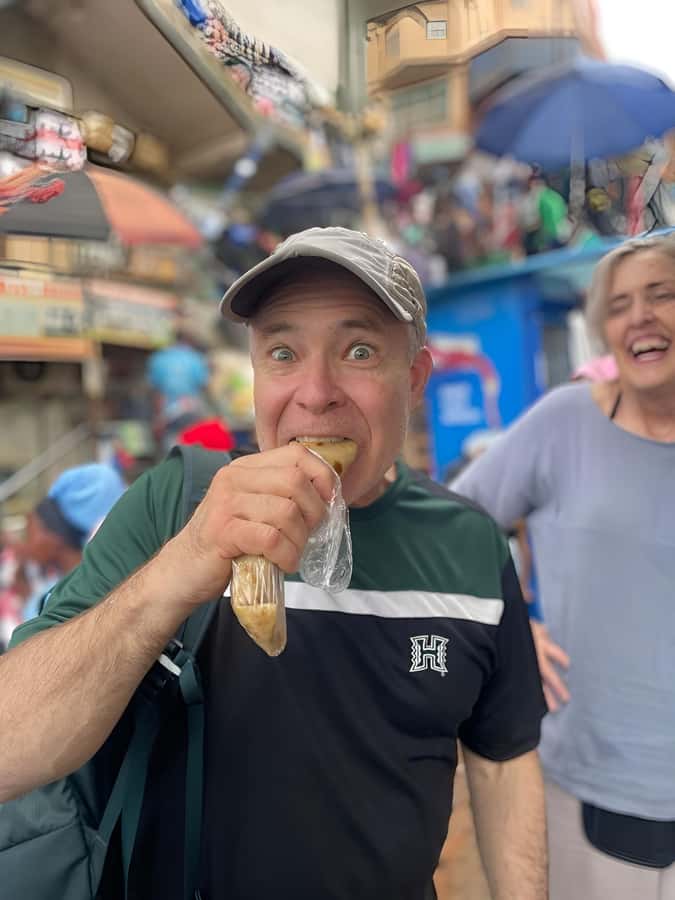
Owino Market (St. Balikuddembe Market) is the highlight for sheer energy and size. The market hosts around 50,000 traders, and that number helps explain why the place feels like a living machine. If you want Kampala as a full-body experience, this is where it lands.
This stop takes the most time, around 45 minutes, because the market is not just “one street with shops.” It’s lanes, stalls, colors, smells, and constant motion. You’ll see vendors selling everything from produce to traditional crafts. Spices can fill the air, and textiles and fruit compete for your attention.
I like that your guide treats the market like a learning environment, not just a shopping spree. You can ask about what you’re seeing, where items come from, and why certain goods are important locally. In reviews, guides were praised for listening to preferences and adapting the walk, and that flexibility is especially useful in a market this big.
How to keep it enjoyable:
- Choose one or two things to focus on. For example, crafts and a quick look at food stalls.
- If you plan to buy, start early. You’ll have better energy for negotiation before you’re overwhelmed.
- Stay aware. In a crowded market, you’ll want to keep your belongings close.
And if you’re thinking you might skip Owino because it sounds too intense, I’d challenge that. This is exactly the kind of stop where a guide helps you see the structure behind the chaos.
What the $22 price buys (and why it feels fair)
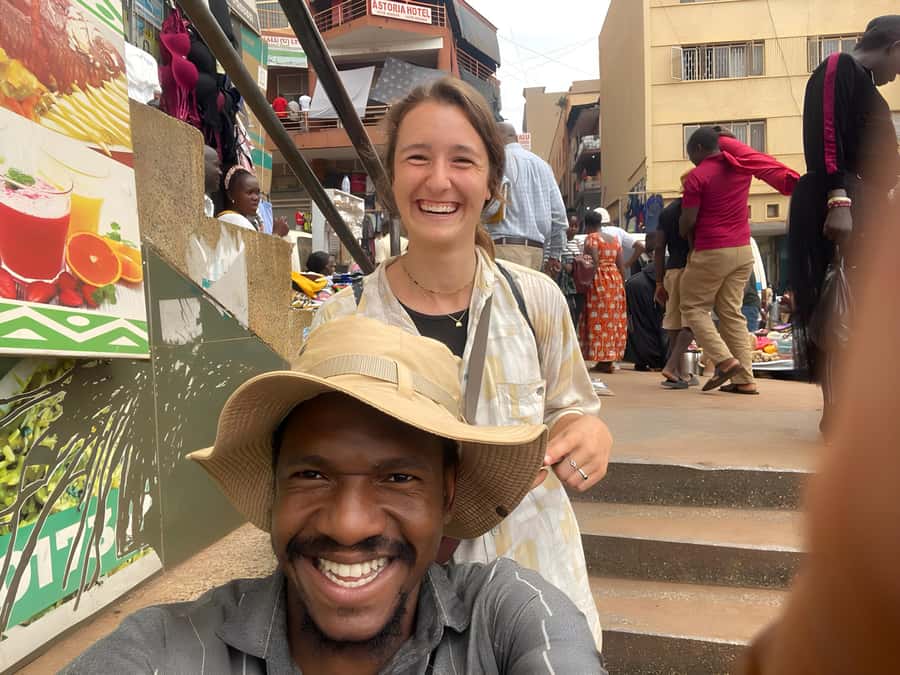
Let’s talk value honestly. For $22, you get:
- An English-speaking guide
- Admission included for Owino Market, Old Taxi Park, Nakasero Market, Independence Monument, and Bagala Craft Market
- A guided walk experience that takes about 3 hours with a small group (up to 6)
You’re not paying extra for entry fees to the major stops. That alone makes a difference in cities where admission costs add up. Then there’s the guide, which is where the experience often becomes worth more than the money. Reviews repeatedly mention guides like Abdul and Pius answering lots of questions, sharing stories, and prioritizing safety. People also noted help with navigating roads and dealing with market bargaining.
What’s not included: meals and street food, souvenirs, and pick-up and drop-off. So if you want a full lunch, you’ll need to budget separately. But for a half-morning or afternoon grounding in Kampala, the price feels competitive because it packages multiple key areas in one go.
Comfort, safety, and small practical tips that matter
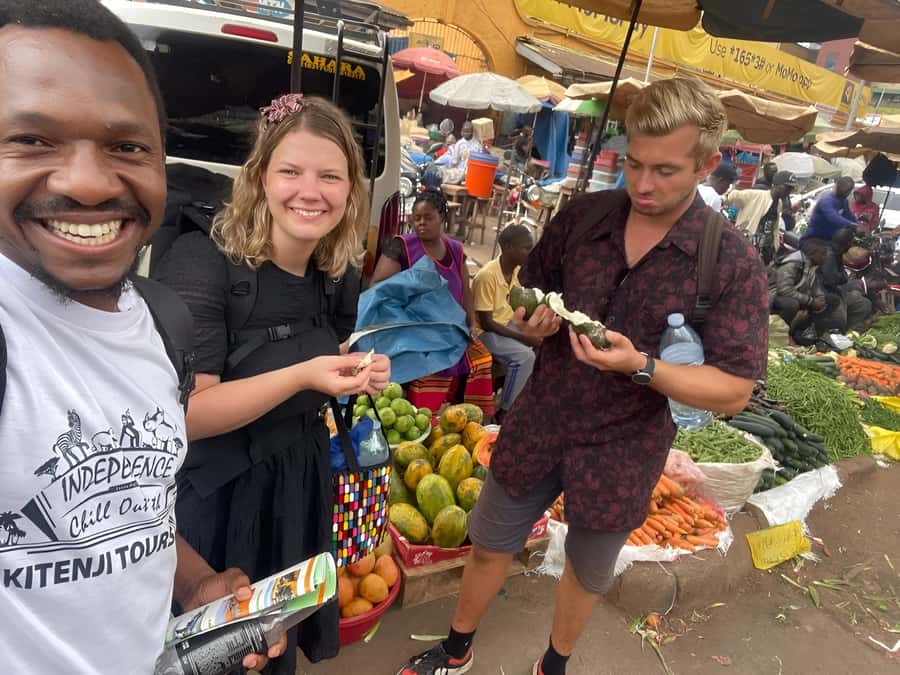
Kampala rewards good preparation. The tour is about walking, and you’ll be dealing with sun, hills, and busy streets.
Bring:
- Comfortable shoes. You’ll be on your feet a lot.
- Sun protection. A wide-brimmed hat, sunglasses, and sunscreen are smart, because Kampala’s climate is tropical and the sun can feel strong.
- Water. Even if you stop for a café break, bring a bottle.
Expect hills and active crossings. One review specifically mentioned Kampala being hilly and shared that trainers help. Another praised guides for showing how to cross the city’s famously busy roads calmly. So if crossing traffic feels like the hard part, know that your guide should help you manage it.
Payment habits: have some Ugandan Shillings for smaller vendors. Card acceptance can vary.
Also, keep in mind the tour is not suitable for mobility impairments. If that’s your situation, it’s better to pick a different style of tour that fits your pace.
How to choose this tour for your style of travel
This walking tour works best if you want:
- A quick orientation to Kampala’s center
- Market time with context, not just shopping
- A mix of everyday life and monuments
- A guide who answers questions and adapts when needed
If you love history, the Independence area and World War memorial give you structure. If you’re more of a “show me how people live” traveler, Nakasero, Old Taxi Park, and Owino do the heavy lifting. And if you’re somewhere in the middle, you’ll appreciate that the stops alternate between calm explanation and street-level reality.
This is also a good first-day activity. One review suggested it helps you start your trip by learning how to navigate areas on foot. Even if it’s not your first day, it’s still useful whenever you want a real sense of the city beyond hotel vicinity.
Should you book this Kampala guided walking tour?
Yes, you should book it if you want a time-efficient, guide-led introduction to Kampala that covers both monuments and markets. The small group size, English guide, and included admissions make it a sensible deal, and the reviews point to guides who are careful with safety and patient about questions, whether you’re traveling solo or as a couple.
Skip it or choose a different format if you can’t handle long walks, crowded markets, and traffic crossings. And if you’re only interested in museum-style quiet, this walk will feel too street-level.
If you book, go in with a simple mindset: look first, ask second, buy last. You’ll get more out of Kampala when you let the city teach you as you walk.
FAQ
How long is the Kampala city guided walking tour?
The tour lasts approximately 3 hours.
What language is the guide?
The guide is English-speaking.
How big is the group?
The tour is a small group limited to 6 participants.
Where does the tour start, and is pick up included?
The tour starts at Kitenji Uganda Safaris and Tours. Pick up and drop off are not included.
What does the price include?
Admission is included for Owino Market, Old taxi park, Nakasero market, Independence Monument, and Bagala craft market, along with a professional English speaking guide.
What if I need to cancel?
You can cancel up to 24 hours in advance for a full refund.
Other Uganda Trips



The Rest of the Uganda File
Kampala on Foot, Guide by Guide


Other Uganda trips we have written up
- 7-Day Uganda Adventure Safari – Midrange Lodges★ 5.0 · 3 reviews
- 5 days gorillas and chimpanzee tracking★ 4.5 · 3 reviews
- A Thrilling 1-Day Rhino Tracking Tour in Uganda★ 5.0 · 3 reviews
- 3 Days Murchison Falls Wildlife Safari★ 4.5 · 3 reviews
- 10 Day Gorilla Chimps and Big 5 Safari★ 5.0 · 3 reviews
Kampala Walking Tours, compared.
 ★ 5.0Kampala’s Best Experience walking tourFrom $33137 reviews
 ★ 5.0Kampala Walking City Tours (Women Guided)From $34115 reviews
 ★ 5.0Kampala Walking Tour (3 Hours) with Optional Gaddafi Mosque VisitFrom $32112 reviews
 ★ 5.0Inside Kampala Walking Tour (Female Guided)From $2552 reviews
 ★ 5.0Kampala Heart of Walking AdventureFrom $2643 reviews
★ 5.0Inside Kampala walking tour (Female guided)From $3540 reviews
★ 5.0Kampala Heart of Walking AdventureFrom $2643 reviews
★ 5.0Inside Kampala walking tour (Female guided)From $3540 reviews
 ★ 5.0Free Female Guided Walking Tours Kampala (3 Hours)From $3025 reviews
 ★ 5.0Kampala’s walking city Tour ExperienceFrom $4018 reviews
Browse the lists this tour appears in