
REVIEW · KAMPALA WALKING TOURS
Kampala Heart of Walking Adventure
Kampala hits different when you walk it. On this 3-5 hour Kampala Heart of Walking Adventure with TWIJA AFRICA SAFARIS, I like the Gaddafi National Mosque climb for big city views and the time spent among real stalls at Owino Market. The main thing to consider is that you will walk through crowded areas and climb a lot of stairs.
Plan for a workout and a bit of give-and-take. You should have strong physical fitness, and the route includes market chaos where bargaining is expected, so bring cash (UGX) if you want snacks or souvenirs. Also, some admissions are not included, so budget a little extra for the big-ticket stops.
In This Review
- Key Highlights to Know Before You Go
- Price and Logistics: Good Value for a Focused Half-Day
- Stop 1: Gaddafi National Mosque and the Real Prize, the View
- Stop 2: Owino Market, Where Kampala Buys, Sells, and Lives
- Stop 3: Old Taxi Park and the City’s Matatu Pulse
- Stop 4: Baguma NP and Family Restaurant, A Food Stop That Makes Sense
- Stop 5: Bagala Craft, Shopping With Purpose Instead of Guesswork
- Stop 6: World War II Memorial, a Colonial-Era Reminder
- Stop 7: Temple SSDM Shree Sanatan Dharma Mandal, Faith in the City
- Stop 8: Nakasero Market and the Fruit Test Moment
- Stop 9: Independence Monument, Finishing With Meaning
- Stop 10: Kabaka’s Palace (Lubiri) and the Weight Under the Gardens
- What to Bring, Especially for Markets and Mosque Stairs
- Who Should Book This Walk, and Who Might Want Something Else
- Should You Book the Kampala Heart of Walking Adventure?
- FAQ
- How long is the Kampala Heart of Walking Adventure?
- How much does the tour cost?
- Where does the tour start and end?
- Is a mobile ticket provided?
- What is included in the price?
- Is the Gaddafi National Mosque admission included?
- Is Kabaka’s Palace admission included?
- What kinds of places are visited?
- Is there a cancellation option and how far in advance can I cancel?
- What physical readiness is needed?
Key Highlights to Know Before You Go
- 272 steps to 360-degree views from the Gaddafi National Mosque minaret
- Owino Market scale: about 10+ acres, around 50,000 vendors, roughly 300,000 daily customers
- Matatu insight at Old Taxi Park with over 1,000 vehicles in Kampala’s public transport network
- Street-food and local-restaurant stop to taste Ugandan food with the group
- Craft shopping at Bagala Craft for items made across multiple local cultures
- Faith and community landmarks including a Hindu temple and major monuments in central Kampala
Other Kampala walks, guide by guide
- Kampala’s Best Experience walking tour
★ 5.0 · 137 reviews - Kampala Walking City Tours (Women Guided)
★ 5.0 · 115 reviews - Kampala Walking Tour (3 Hours) with Optional Gaddafi Mosque Visit
★ 5.0 · 112 reviews - Kampala: City Guided walking sightseeing Tour
★ 4.7 · 52 reviews
Price and Logistics: Good Value for a Focused Half-Day
For $26 per person, you get a guided walk that typically runs 3 to 5 hours. That’s a solid deal in a city where the most interesting places are also the hardest to navigate alone, especially around markets and neighborhood hubs.
This tour uses a mobile ticket, and it’s set up to be practical for getting around Kampala, since the meeting point is near public transportation. The group size can reach up to 100 people, so expect that some stretches feel busy, especially around Owino Market.
You also get bottled water and snacks included, which helps when you’re out for hours. Just know your guide’s job is to keep moving, so if you want lots of lounging time, you might feel a bit rushed.
Stop 1: Gaddafi National Mosque and the Real Prize, the View
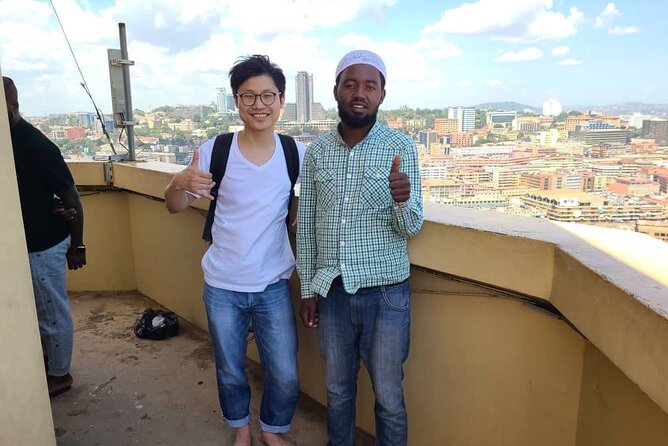
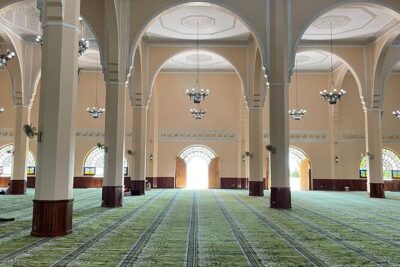
The walk starts at Uganda National Mosque, also called the Gaddafi National Mosque. It’s known as the largest mosque in East Africa and Central Africa, with a capacity of about 25,000 worshippers, and it was completed in 2006 with funding connected to Colonel Muammar Gaddafi.
Here’s the detail that makes this stop more than just a photo op. The architecture blends Arabic, African, and European styles, and the minaret is a whopping 72 meters tall. If you choose to climb, you tackle 272 steps to reach the top.
On a clear day, the payoff is big: 360-degree views across Kampala, including the surrounding hills. The admission for the mosque is listed as not included, so check the fee when you book so it doesn’t surprise you mid-walk.
Who this stop is for: If you like city views, religious architecture, and landmarks with a strong story behind them, this is the best “wow” moment of the tour.
Watch-outs: Stairs are part of the plan, so bring a steady pace and shoes with grip.
Stop 2: Owino Market, Where Kampala Buys, Sells, and Lives
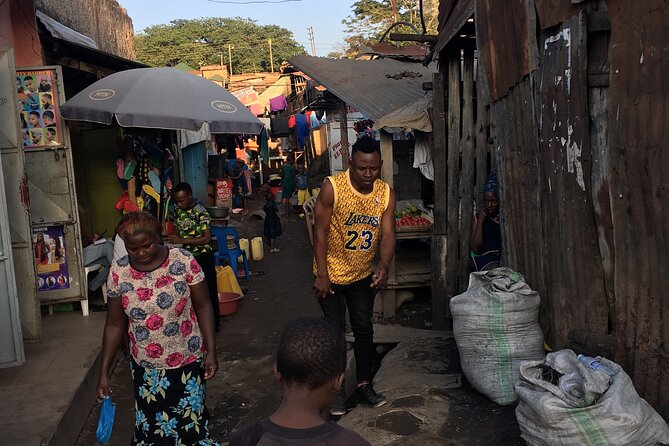
Owino Market, also known as St. Balikuddembe Market, is one of the largest and busiest markets in East Africa. It spans over 10 acres and it’s on a massive scale, with about 50,000 vendors and around 300,000 daily customers.
The market sells everything you would expect in a working city economy, plus more. You’ll see second-hand clothes, herbal medicine, local handicrafts, local food both cooked and uncooked, and fresh produce like fruits, vegetables, and meats.
This stop is where you get the real texture of daily life, not a staged version for visitors. You can also bargain, and the market operates on cash, so you’ll want some UGX ready.
What I like about this stop: You’re not just looking, you’re moving through the same spaces that locals use every day, which makes Kampala feel closer and more understandable.
What to consider: Expect crowds and a bit of chaos. If you feel uncomfortable in tight spaces, hold close to your guide and take a slow breath before you push through the busiest lanes.
More Uganda walks at street level
Stop 3: Old Taxi Park and the City’s Matatu Pulse
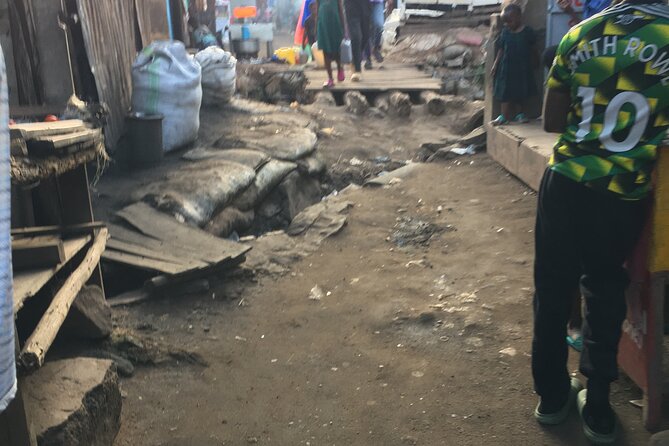
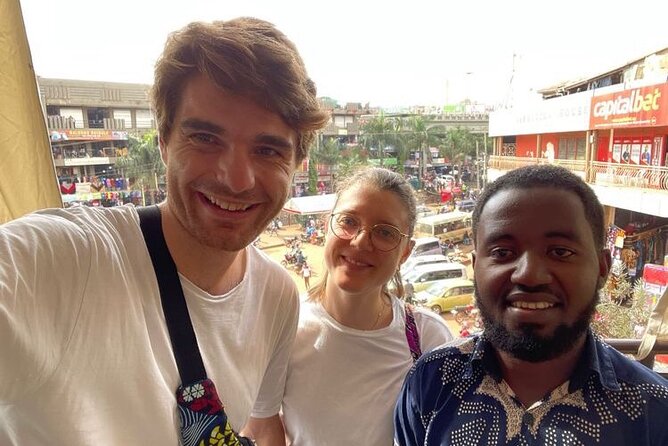
Old Taxi Park is a major public transport hub in Kampala. It’s described as the oldest and largest park in the city, and it has over 1,000 vehicles, including matatu style minibuses.
This is a smart stop because it explains how Kampala actually moves. You see the scale of the system and the way people depend on these routes to get to work, markets, school, and home.
Admission is free for this stop, so you’re paying mostly for the context and local guidance. The value here is understanding the rhythm of the city, even if you never board a vehicle.
Quick practical note: You’ll be walking around an active transport area, so be aware of traffic and keep your personal belongings secure.
Stop 4: Baguma NP and Family Restaurant, A Food Stop That Makes Sense

After the markets and transport hub, you get a break and a taste of Ugandan food. The tour brings you to Baguma NP and Family Restaurant, where you try local food cooked for you during the stop.
This is one of those “good pacing” moments. You’re not just sightseeing, you’re resetting your energy before the craft and monument portion of the walk. Bottled water is included, which helps a lot here.
Admission is free for the restaurant stop, so your main cost is whatever you choose to eat beyond the included tasting. If you have a sensitive stomach, start with the simplest option the guide recommends and take it slow.
Stop 5: Bagala Craft, Shopping With Purpose Instead of Guesswork
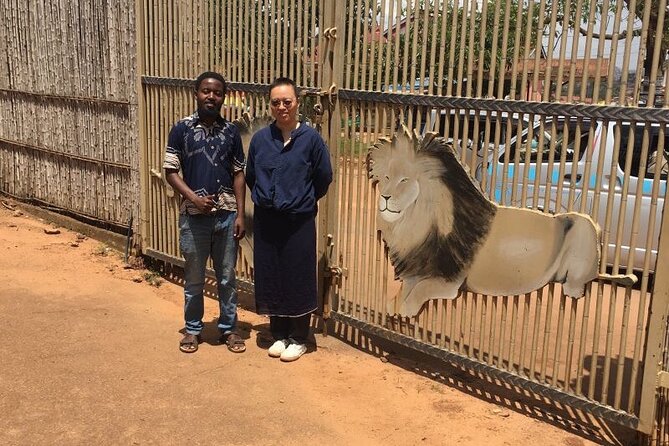
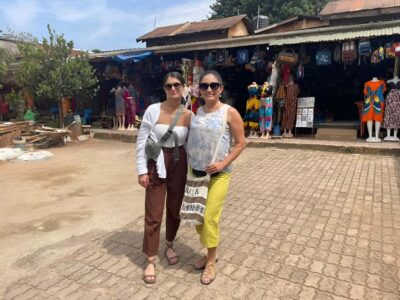
Bagala Craft is the biggest craft market in Kampala, and it’s built for shopping across cultures. You’ll find African wooden saddles, weaver baskets, African clothes such as ebiteeje, and other handmade items.
This stop is useful because buying crafts in a large market can feel random if you don’t know how to ask questions. With your guide there, you can focus on quality, materials, and what each product is used for.
Admission is free for the market visit, so your spending is optional and you control it. If you want souvenirs that aren’t the same mass-produced stuff you can find anywhere, this is the place to shop.
Tip: Take a moment to compare items before you commit. Prices can shift with attention, so keep your questions practical and your offers respectful.
Stop 6: World War II Memorial, a Colonial-Era Reminder

The World War II Memorial is listed as the oldest monument in Kampala, built during the colonial period. It’s dedicated to the memory of Ugandans who were killed during the war years.
Even if monuments aren’t your main interest, I like this stop because it widens your view beyond markets and daily life. You’re connecting present-day Kampala to a darker chapter of the past, and your guide helps explain why the memorial matters where it stands.
Admission is free, and the time here is short, about 6 minutes. If you’re in a rush, don’t skip it, since it adds emotional context to the rest of the route.
Stop 7: Temple SSDM Shree Sanatan Dharma Mandal, Faith in the City

You also visit Temple SSDM Shree Sanatan Dharma Mandal in Nakasero. The temple is said to be the first Hindu worshipping temple in the 1950s, and it’s now the headquarters for Hindu worshippers.
This is a quick stop, about 6 minutes, but it helps you see Kampala as a multi-faith city. You’re not only learning about one cultural lane, you’re getting a snapshot of how communities live side by side.
Admission is free for the temple visit. Wear something modest and keep your tone calm and respectful, just like you would at any active place of worship.
Stop 8: Nakasero Market and the Fruit Test Moment
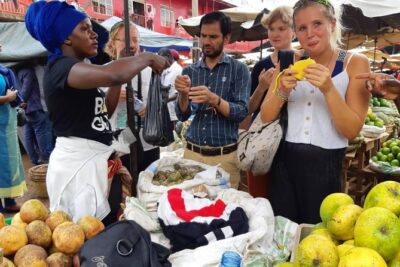
Nakasero Market is described as the oldest market in Kampala, known for fresh food, fruits, and vegetables. You also get a chance to test local fruits during this stop, which is one of the easiest ways to sample Kampala without overcommitting to street food.
This segment runs about 15 minutes, so it’s designed to be quick and enjoyable. Admission is free, and the focus stays on what the market sells and what locals pick up for daily meals.
Why this matters: Markets teach you what people eat, not just what people buy. Fruit tasting gives you a direct sensory link to place.
Stop 9: Independence Monument, Finishing With Meaning
Your walk ends at the Independence Monument. It was built after Uganda gained independence, and it includes a statue of a woman calling a baby. The guide frames this imagery as part of Uganda’s move away from colonial rule in 1962.
This is a strong ending point because it gives you a theme to hold onto. You start at a landmark mosque with strong architectural signals, you move through marketplaces and transport, then you land at a monument that marks the nation’s turning point.
Admission is free for the Independence Monument. It’s also where your guide wraps up the story, so plan to stay attentive through the final explanation.
Stop 10: Kabaka’s Palace (Lubiri) and the Weight Under the Gardens
Kabaka’s Palace, also called Lubiri, is the official residence of the Kabaka, the king of Buganda, located in Mengo. The palace is known for traditional Baganda architecture and gardens, which gives you a calmer contrast to the market zones.
The tour also includes a heavy note in the palace story. There is a torture chamber associated with Idi Amin beneath the palace, which is presented as a haunting reminder of Uganda’s turbulent past.
Time at Kabaka’s Palace is listed as about 45 minutes. Admission details are a bit inconsistent in the notes you’ll receive, so treat this as a stop where you might need to pay an admission fee, and confirm what’s covered when booking.
Who should take extra time here: If you like history that includes the difficult parts, don’t rush this visit.
Who should pace themselves: If you’re sensitive to dark historical material, you can step back briefly during the explanation, then come back when you’re ready.
What to Bring, Especially for Markets and Mosque Stairs
This tour has you on your feet for hours, and it asks for a strong physical fitness level. Wear walking shoes, and choose clothing that feels comfortable for warm weather plus modest coverage for religious sites.
For Owino Market, cash is important. The market tips say to bring cash in UGX and expect bargaining, so if you only plan to pay by card, you’ll be limited to what you can buy without cash.
Also bring a basic “market mindset.” Keep your belongings secure, don’t block lanes, and follow your guide’s instructions for crowded sections.
Who Should Book This Walk, and Who Might Want Something Else
You’ll likely love this tour if you want a practical, on-the-ground view of Kampala, not just a checklist of monuments. The best fit is for travelers who enjoy walking between neighborhoods, shopping for crafts, and sampling food in real local settings.
This also suits people who like city scale details. The mosque climb, the market numbers, the matatu system, and the monuments all connect into one story: how Kampala works and how it remembers.
Consider skipping or pairing this with a slower plan if you dislike stairs or crowds. The 272 steps up the mosque minaret and the tight market conditions are not “easy mode.”
Should You Book the Kampala Heart of Walking Adventure?
If you want value at about $26, a guided path that connects food, faith, transport, and monuments, and a final stop at Independence Monument, this is a strong choice. The tour has a clear rhythm: landmark view, market immersion, food break, crafts, then a history-focused finish.
I’d book it if you’re traveling with curiosity and you don’t mind busier areas. I might not, if you need a quiet, low-movement experience, or if you really dislike bargaining and crowd navigation.
FAQ
How long is the Kampala Heart of Walking Adventure?
It lasts about 3 to 5 hours.
How much does the tour cost?
The price is $26.00 per person.
Where does the tour start and end?
The tour starts at Uganda National Mosque on Old Kampala Rd, and it ends at the Independence Monument on Speke Road.
Is a mobile ticket provided?
Yes, the tour includes a mobile ticket.
What is included in the price?
Bottled water and snacks are included.
Is the Gaddafi National Mosque admission included?
No, the Gaddafi National Mosque admission is listed as not included.
Is Kabaka’s Palace admission included?
Kabaka’s Palace is listed under not included, so admission may be an extra cost.
What kinds of places are visited?
You visit places including Gaddafi National Mosque, Owino Market, Old Taxi Park, Baguma NP and Family Restaurant, Bagala Craft, World War II Memorial, Temple SSDM Shree Sanatan Dharma Mandal, Nakasero Market, Independence Monument, and Kabaka’s Palace.
Is there a cancellation option and how far in advance can I cancel?
Cancellation is free if you cancel up to 24 hours in advance for a full refund.
What physical readiness is needed?
You should have a strong physical fitness level, since this is an active walking tour.
If you tell me your travel month and how comfortable you are with crowds and stairs, I can suggest the smartest day and the best way to pace yourself on the stops.
More Walks Around Uganda


The Rest of the Uganda File
Kampala on Foot, Guide by Guide
Other Uganda trips we have written up
- 7-Day Uganda Adventure Safari – Midrange Lodges★ 5.0 · 3 reviews
- 5 days gorillas and chimpanzee tracking★ 4.5 · 3 reviews
- A Thrilling 1-Day Rhino Tracking Tour in Uganda★ 5.0 · 3 reviews
- 3 Days Murchison Falls Wildlife Safari★ 4.5 · 3 reviews
- 10 Day Gorilla Chimps and Big 5 Safari★ 5.0 · 3 reviews
Kampala Walking Tours, compared.
 ★ 5.0Kampala’s Best Experience walking tourFrom $33137 reviews
 ★ 5.0Kampala Walking City Tours (Women Guided)From $34115 reviews
 ★ 5.0Kampala Walking Tour (3 Hours) with Optional Gaddafi Mosque VisitFrom $32112 reviews
 ★ 4.7City Guided walking sightseeing TourFrom $2252 reviews
 ★ 5.0Inside Kampala Walking Tour (Female Guided)From $2552 reviews
★ 5.0Inside Kampala walking tour (Female guided)From $3540 reviews
★ 5.0Inside Kampala Walking Tour (Female Guided)From $2552 reviews
★ 5.0Inside Kampala walking tour (Female guided)From $3540 reviews
 ★ 5.0Free Female Guided Walking Tours Kampala (3 Hours)From $3025 reviews
 ★ 5.0Kampala’s walking city Tour ExperienceFrom $4018 reviews
Browse the lists this tour appears in