

REVIEW · KAMPALA WALKING TOURS
Kampala:Guided walking tour
Kampala reads like a living story, and this guided walk brings it into focus. I like that the tour centers on Buganda kingdom history going back about 140 years, not just quick photo stops. I also like how it starts at Kabaka’s Palace, with a mix of short scooter time and walking so you see more in a half day.
You will also get a real taste of daily Kampala life, from local restaurant breaks to market energy, plus locally made drinks like banana juice, beer, and vodka. My only caution is the mosque stop: there’s a 270-stair climb to reach the minaret and there is no elevator.
In This Review
- 6 highlights you can plan around
- Kabaka’s Palace to Kampala streets, why this tour works
- Start at the gardens outside Kabaka’s Palace
- Helmeted scooter time, then walking like a local
- The local restaurant stop: photos, pacing, and real food culture
- The Kampala city segment: photo stops, guided sightseeing, and an aerial view
- The mosque stop: plan for stairs, no elevator
- The big local market energy and shopping help
- Finish at Independence Monument, then carry the stories forward
- Price and value: what $32 really covers
- What to bring so the day stays comfortable
- Who should book this Kampala walking tour
- Should you book it?
- FAQ
- Where is the meeting point for the tour?
- How long is the Kampala guided walking tour?
- What time of day does the tour run?
- Is the tour guide available in English?
- What is included in the tour price?
- What is not included?
- Do I need to bring cash?
- Is there anything I should bring for sun protection?
- Is free cancellation available?
- Is the mosque stop accessible?
6 highlights you can plan around
- Kabaka’s Palace start sets the tone with Buganda-era context from the very beginning
- Scooter transfer with helmets keeps the pace moving without tiring you out too early
- Local restaurant break gives you a chance to refuel, swap photos, and learn what locals actually eat
- City views and a short hike help you understand Kampala’s layout before you hit the streets
- Big local market time focuses on fresh food and vegetables, plus how shopping works
- Mosque minaret has 270 steps so wear grippy shoes and plan your pace
Other Kampala walks, guide by guide
- Kampala’s Best Experience walking tour
★ 5.0 · 137 reviews - Kampala Walking City Tours (Women Guided)
★ 5.0 · 115 reviews - Kampala Walking Tour (3 Hours) with Optional Gaddafi Mosque Visit
★ 5.0 · 112 reviews - Kampala: City Guided walking sightseeing Tour
★ 4.7 · 52 reviews
Kabaka’s Palace to Kampala streets, why this tour works
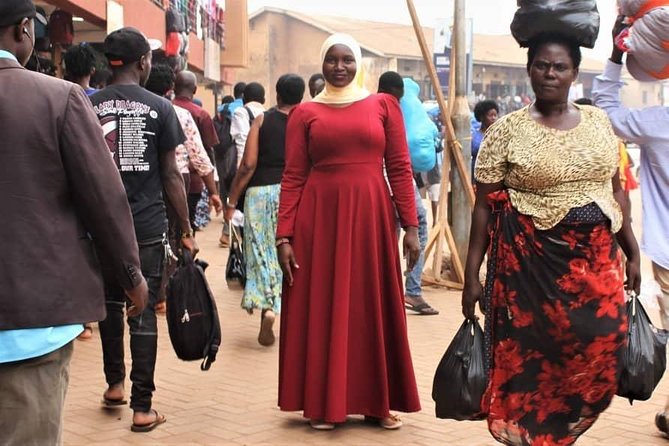
If Kampala feels big and overwhelming, this style of tour is a smart answer. You get a local guide who helps you connect places to meaning, so the city does not stay as scenery. Instead of wandering blind, you get a route that moves you through key cultural anchors, then into everyday Kampala rhythms.
I especially like tours that include a mix of viewpoints and street-level stops. Here, you get that, and it matters. City views help you understand direction and distance, and street-level moments show how people live now, not just what monuments say.
A quick scooter hop is also a practical touch. It saves your legs for the walking parts, and the fact that helmets are provided means you can relax a bit while transferring through traffic.
Start at the gardens outside Kabaka’s Palace
Your morning, or more accurately your daytime half day, begins outside the palace grounds. The meeting point is in the gardens outside the palace gate, with seats under trees. That matters because it makes the start easier to find, especially if you are arriving early and still figuring out your bearings.
From there, the tour frames Kampala with the history of the Buganda kingdom and Uganda reaching back roughly 140 years. The value is not in memorizing dates. It is in learning why certain sites and traditions matter, so the city clicks when you see the surroundings afterward.
This is a good start for first-time visitors. You start with a heavyweight piece of context, then you immediately transition into how Kampala looks and sounds when you’re actually in it.
Helmeted scooter time, then walking like a local

There’s a short scooter segment early on, about 10 minutes, before you spend more time on foot. I like this setup because it keeps momentum. You are not stuck waiting while everyone adjusts, and you’re not spending the first hour walking through traffic-adjacent streets without purpose.
On foot, you can slow down where it counts. Walking is what lets your guide point out small details you would likely miss: how people cluster around shops, how the streets connect, and which areas feel like everyday life rather than tourism-only routes.
The tour is designed to help you go places you might not feel comfortable reaching on your own. That includes moving through busy areas and understanding how to interact without getting lost in the noise.
More Uganda walks at street level
The local restaurant stop: photos, pacing, and real food culture
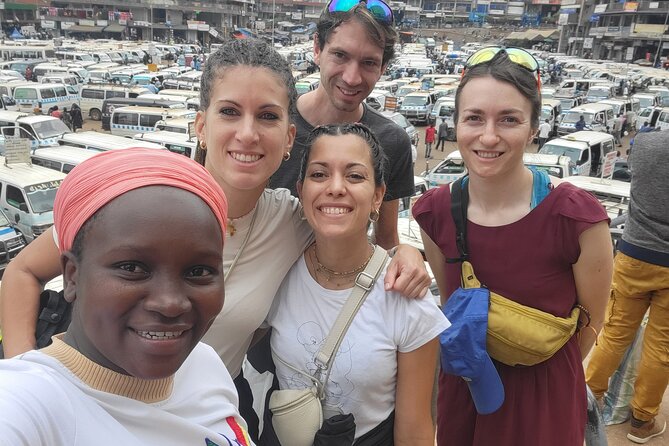
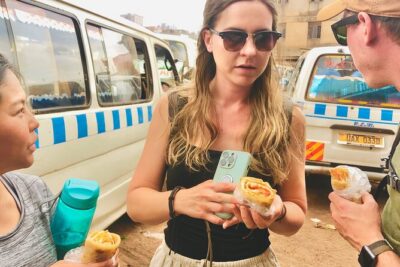
At the mid-tour break, you get time at a local restaurant. Plan for it to function as both a recharge and a learning moment, not just a lunch stop you rush through. There’s a guided component, plus time to take photos and visit.
This is where the tour’s food angle becomes useful. You get to taste local dishes that people enjoy day after day, and the guide also brings in locally made drinks such as banana juice, beer, and vodka. Even if you only try one or two items, it helps you understand Kampala beyond monuments.
A small but important advantage: having a guide makes it easier to order and to ask simple questions about what you are eating. And if you care about shopping, this break often sets you up mentally for the market later.
One practical note, the tour does not include food and drinks, so budget for whatever you choose to try. The good news is that you will know you’re spending money where it feels local, not just where it is convenient.
The Kampala city segment: photo stops, guided sightseeing, and an aerial view
After the restaurant break, the tour continues on foot with more guided sightseeing. You get multiple photo stops and time for the guide to explain what you’re seeing as you move.
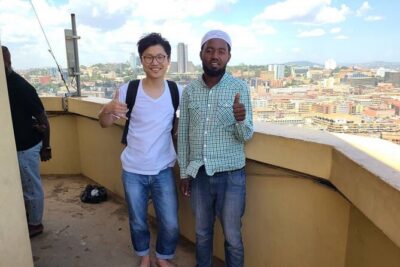
There’s also an aerial view moment and some “hiking” time. That does not mean a mountain climb, but it does mean you should be ready to walk uphill or step around on uneven ground. This part is valuable because a view helps you connect the city’s layout to the stories you heard at the start. When Kampala looks different from above, street-level details make more sense.
I also like that the tour does not rush you. In the feedback I saw for this experience, people praised the guide for taking their time and staying flexible. In practical terms, that means you’re less likely to be yanked from one place to the next just to check boxes.
The mosque stop: plan for stairs, no elevator
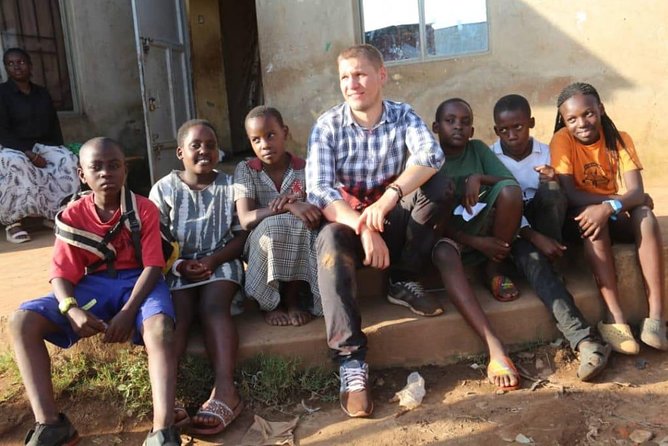
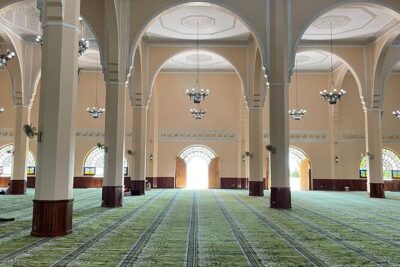
One of the most important logistical details is the mosque visit. There will be a climb to reach the top of the minaret, and it’s a 270 stair case. There is no elevator.
This is not a small issue. If stairs are hard for you, this is the moment that could change your comfort level fast. It’s also the reason the tour is not suitable for people with mobility impairments.
If stairs are manageable for you, still plan smart. Wear shoes with grip, go slow, and keep water in mind, since the tour is daytime. Also, pack your patience for the steps, because once you’re up there, you’ll understand why the stop is included.
The big local market energy and shopping help
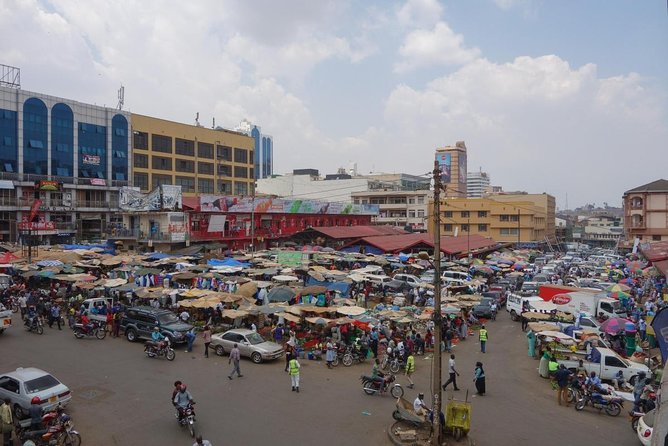
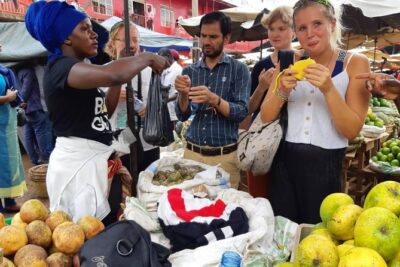
Kampala’s scale is part of the story. The tour frames the city as home to millions of people, and that population density is especially visible in the market areas. You get time at a major market, described as one of the biggest and busiest.
This is where the tour’s “local” goal shows up in a concrete way. Fresh food and vegetables come from gardens and move into the market flow, and you can see what’s actually in demand. It is a snapshot of how food systems work in daily life, not a polished display.
There’s also a shopping angle. One piece of advice you’ll likely appreciate is learning how to shop for souvenirs without getting overcharged. The guide can help you interact more naturally and understand what is fair, and that can turn a stressful shopping moment into something calmer.
Because the tour includes guidance but not entry fees or purchases, bring cash so you can handle small costs without friction.
Finish at Independence Monument, then carry the stories forward
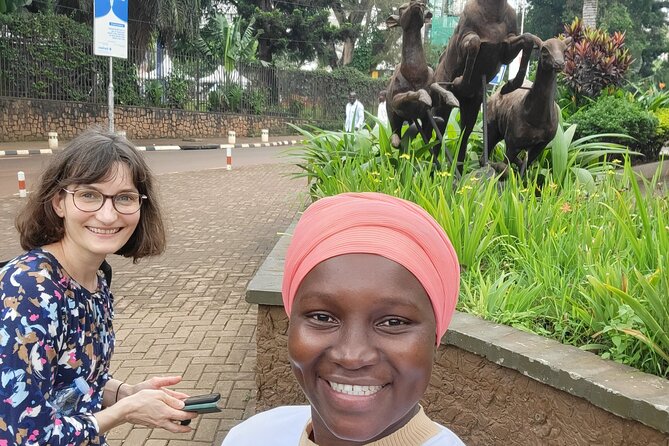
The tour ends at the Independence Monument. That finish is meaningful because it places Kampala’s present under a broader national story. You go from palace-era context and everyday city life to a symbol of independence and identity, and by the time you arrive, the places you passed feel connected.
After the tour, you’ll be in a better position to plan what comes next, because you’ve already seen where key areas sit relative to each other. Even if you only have one more stop on your day, this kind of orientation helps you spend the rest of your time on your own terms.
Price and value: what $32 really covers
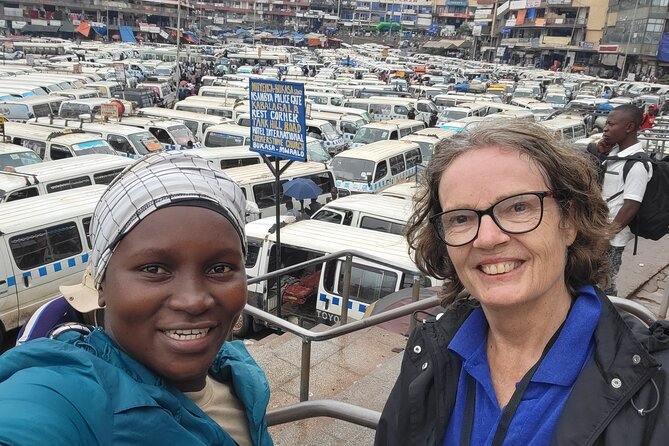
The price is $32 per person for a 3.5 hour guided walking experience. In my view, the value comes from what’s included, not just the guide.
You get:
- Hotel pickup and drop-offs
- drinking water
- helmets (because there is scooter time)
- an English-speaking tour guide
That combination reduces friction fast. Pickup and drop-off alone can save you time and hassle if Kampala traffic or finding the right starting spot stresses you out. Water and helmets are small costs that add up, and the guided explanations are what turn the stops into something you remember.
What is not included matters too. Entry fees are not included, and neither are food and drinks or gratuity. So treat the $32 as the foundation, then plan spending for snacks, drinks, souvenirs, and any site fees you decide to cover.
For a half-day city tour in a capital with this much going on, $32 can be a solid deal as long as you budget for personal purchases and any fees.
What to bring so the day stays comfortable
This tour is daytime, and it includes walking plus stairs. Bring practical items so you don’t lose energy early.
Plan to bring:
- Biodegradable sunscreen
- cash
My extra practical advice: wear shoes you can trust on uneven ground and have a backup layer for shade breaks. Kampala sun can feel strong, and the tour includes time moving outdoors.
Also, think about pacing. Even when it’s “just” 3.5 hours, Kampala’s streets and the stair climb can add up. Going slow, especially at the mosque, will make the experience feel smoother rather than rushed.
Who should book this Kampala walking tour
This is a good fit if:
- you want to understand Kampala’s cultural backbone, including the Buganda kingdom and Uganda’s story
- you have limited time and want a structured route without spending hours planning
- you like learning through real settings, restaurant stops, market time, and city views
- you appreciate a guide who helps you shop and avoid common pricing traps
You should think twice if:
- stairs are difficult for you, because of the 270-step climb and no elevator
- you have mobility impairments, since the tour is not suitable
- you are traveling with a baby under 1 year
Based on the guide feedback I’ve seen, the experience tends to work best when you’re curious, willing to walk, and open to tasting food and drinks even if you are not sure what they will be.
Should you book it?
Yes, I’d recommend booking this tour if you want a guided half day that connects Kampala’s landmarks to daily life. The standout part for me is the way you get both structure and flexibility, plus time for viewpoints, market reality, and food culture.
I would only skip it if you know you cannot handle the mosque stairs or if you prefer a fully self-guided day with no guided pacing. Otherwise, this is exactly the kind of tour that helps a first visit feel grounded, not random.
FAQ
Where is the meeting point for the tour?
You meet in the gardens outside the palace gate, with seats under trees.
How long is the Kampala guided walking tour?
It lasts about 3.5 hours.
What time of day does the tour run?
It takes place during the daytime.
Is the tour guide available in English?
Yes, the live tour guide speaks English.
What is included in the tour price?
It includes hotel pickup and drop-offs, drinking water, helmets, and the tour guide.
What is not included?
Entry fees, food and drinks, and gratitude are not included.
Do I need to bring cash?
Yes, cash is recommended.
Is there anything I should bring for sun protection?
Bring biodegradable sunscreen.
Is free cancellation available?
Yes, you can cancel up to 24 hours in advance for a full refund.
Is the mosque stop accessible?
No. There is a 270 stair case to reach the top of the minaret and there is no elevator, and the tour is not suitable for people with mobility impairments.
Other Uganda Trips

The Rest of the Uganda File
Kampala on Foot, Guide by Guide


Other Uganda trips we have written up
- 7-Day Uganda Adventure Safari – Midrange Lodges★ 5.0 · 3 reviews
- 5 days gorillas and chimpanzee tracking★ 4.5 · 3 reviews
- A Thrilling 1-Day Rhino Tracking Tour in Uganda★ 5.0 · 3 reviews
- 3 Days Murchison Falls Wildlife Safari★ 4.5 · 3 reviews
- 10 Day Gorilla Chimps and Big 5 Safari★ 5.0 · 3 reviews
Kampala Walking Tours, compared.
 ★ 5.0Kampala’s Best Experience walking tourFrom $33137 reviews
 ★ 5.0Kampala Walking City Tours (Women Guided)From $34115 reviews
 ★ 5.0Kampala Walking Tour (3 Hours) with Optional Gaddafi Mosque VisitFrom $32112 reviews
 ★ 5.0Inside Kampala Walking Tour (Female Guided)From $2552 reviews
 ★ 4.7City Guided walking sightseeing TourFrom $2252 reviews
 ★ 5.0Kampala Heart of Walking AdventureFrom $2643 reviews
★ 5.0Inside Kampala walking tour (Female guided)From $3540 reviews
★ 5.0Kampala Heart of Walking AdventureFrom $2643 reviews
★ 5.0Inside Kampala walking tour (Female guided)From $3540 reviews
 ★ 5.0Free Female Guided Walking Tours Kampala (3 Hours)From $3025 reviews
Browse the lists this tour appears in