
REVIEW · KAMPALA WALKING TOURS
Kampala: Katanga Slum Guided Walking Tour
Katanga is not the Kampala story you see. This guided walk through one of Uganda’s largest informal settlements shows the day-to-day reality behind the headlines, right down to the alleys, classrooms, and small shops.
What I like most is the small-group setup (up to 6 people) and how the route is led by a resident guide who can explain Katanga’s rapid growth in plain terms. You also get real human interaction, including community welcomes and conversation that feels personal instead of staged.
One consideration: this is a walking tour of narrow, uneven lanes, and it is not suitable for people with mobility impairments. If you need wide paths or easy footing, you may find it stressful rather than enjoyable.
In This Review
- Key highlights that make this walk worth your time
- Katanga Slum in Kampala, why this $25 walk has outsized value
- Starting at Kitenji Uganda Safaris and Tours, then rolling into Wandegeya
- The resident guide factor, safety, and respectful expectations from minute one
- Katanga streets and small businesses, what you actually see on the walk
- Homes, education, and youth projects you can read with your eyes
- Churches, a small gym area, and community spaces that shape daily life
- Facing overcrowding and sanitation issues without turning it into a tragedy show
- Group size and pace, why 1.5 hours can feel like a complete story
- What to bring, and how to act so your visit lands respectfully
- Price check, does $25 make sense for Kampala?
- Who should book, and who should skip Katanga walking tours
- Should you book the Kampal a Katanga Slum Guided Walking Tour?
- FAQ
- How long is the Kampal a Katanga Slum Guided Walking Tour?
- How much does the tour cost?
- What is the group size?
- What language is the live guide?
- Where does the tour start and finish?
- Is food included in the price?
- What should I bring?
- What time does the tour run?
- Is the tour suitable for people with mobility impairments?
- Is cancellation or rescheduling flexible?
Key highlights that make this walk worth your time
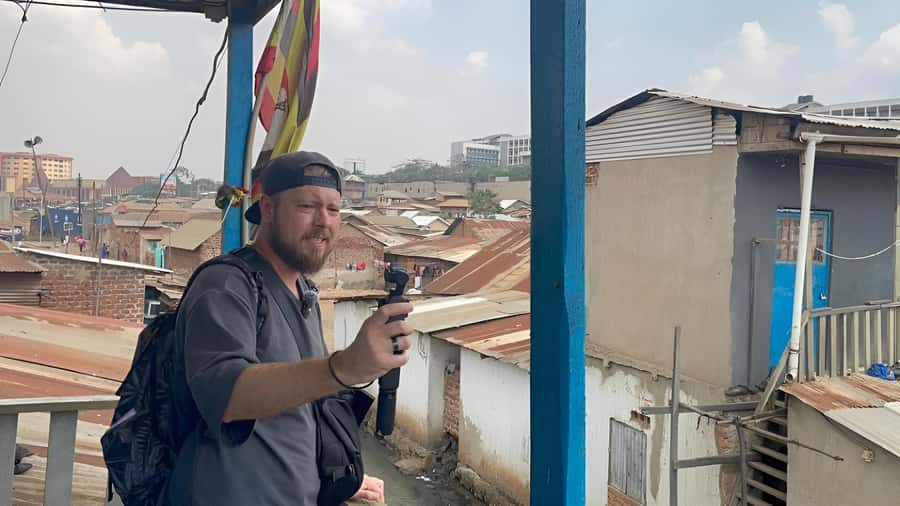
- Up to 6 people means you’re less of a crowd and more of a participant
- Resident-led history of Katanga, including why it grew so fast and how Kampala absorbs it
- Hands-on look at small business like food stalls and scrap-based work
- Community spaces on the route, such as homes, a church, a school, and even a small gym area
- Clear do and don’t guidance once inside helps you be respectful
- Strong guide reputation, with names like Maxwell and Marvin showing up in past experiences
Other Kampala walks, guide by guide
- Kampala’s Best Experience walking tour
★ 5.0 · 137 reviews - Kampala Walking City Tours (Women Guided)
★ 5.0 · 115 reviews - Kampala Walking Tour (3 Hours) with Optional Gaddafi Mosque Visit
★ 5.0 · 112 reviews - Kampala: City Guided walking sightseeing Tour
★ 4.7 · 52 reviews
Katanga Slum in Kampala, why this $25 walk has outsized value
For $25, you’re not paying for a long, scenic drive or a checklist of photo stops. You’re paying for time with someone who knows Katanga from the inside, plus access that would be awkward or unsafe to try on your own.
This is where value really shows. A 1.5-hour guided walk gives you enough time to understand the neighborhood rhythm, without feeling like you’re trapped for half a day. And the small group limit of 6 keeps the conversations manageable, so you can ask questions instead of shouting over other people.
Another practical reason this is good value: your visit can support local projects. The tour notes that proceeds often support community initiatives, which matters because this isn’t just watching from the outside.
Starting at Kitenji Uganda Safaris and Tours, then rolling into Wandegeya
You start at Kitenji Uganda Safaris and Tours, and the experience immediately nudges you into the right mindset: this is Kampala, not a museum. From there, you’ll head toward Wandegeya, with scenic views along the way that help you get a better sense of scale.
That short stretch before you reach Katanga matters more than you might think. It’s a chance to orient yourself, notice the mix of daily life around you, and remember that Katanga sits inside a wider city, not separate from it.
You also return to Kitenji Uganda Safaris and Tours after the walk, so you’re not left figuring out transit at the end. This makes the experience feel easier to plan, especially if your Kampala schedule is tight.
The resident guide factor, safety, and respectful expectations from minute one
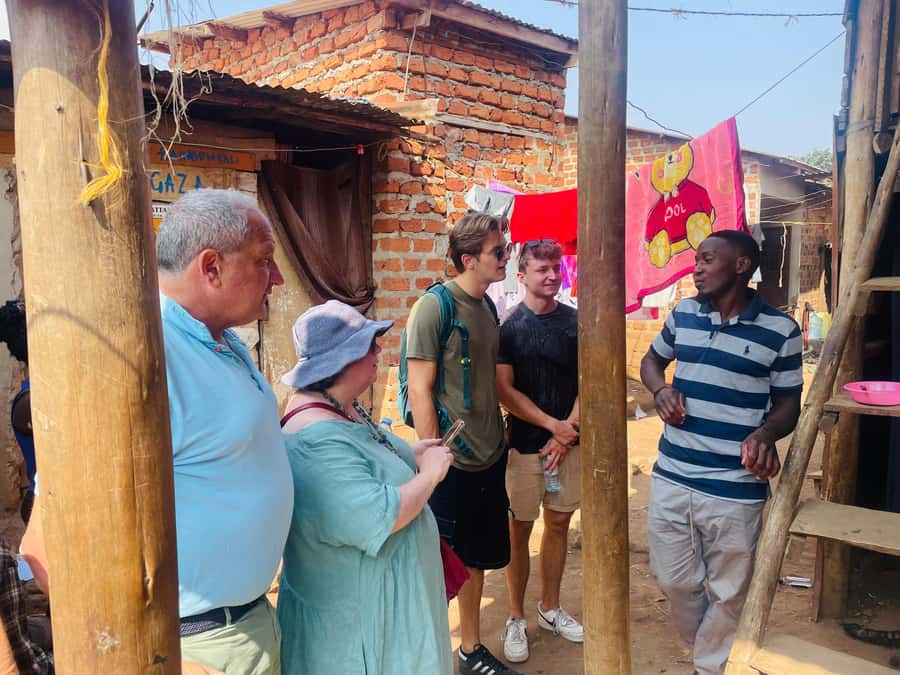
The tour is guided by a professional, English-speaking guide, and the guide is described as a resident with deep local knowledge. In practice, that resident perspective is the difference between collecting facts and understanding what those facts mean.
I also like that the tour sets expectations before you go too far inside. One past visitor specifically noted that the guide broke down the do’s and don’ts once the group entered the settlement. That kind of guidance reduces awkward moments and helps you avoid behavior that locals would not appreciate.
On the safety side, reviews you’ll read before booking repeatedly mention feeling safe and at ease, and one account references two begeleiders, meaning extra support during the walk. Even without assuming the exact same staffing every time, it’s a strong sign that the operator takes guide oversight seriously in a place where you do not want to wander freely.
More Uganda walks at street level
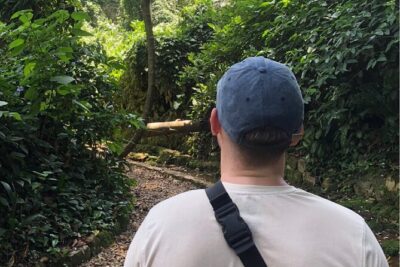

Katanga streets and small businesses, what you actually see on the walk
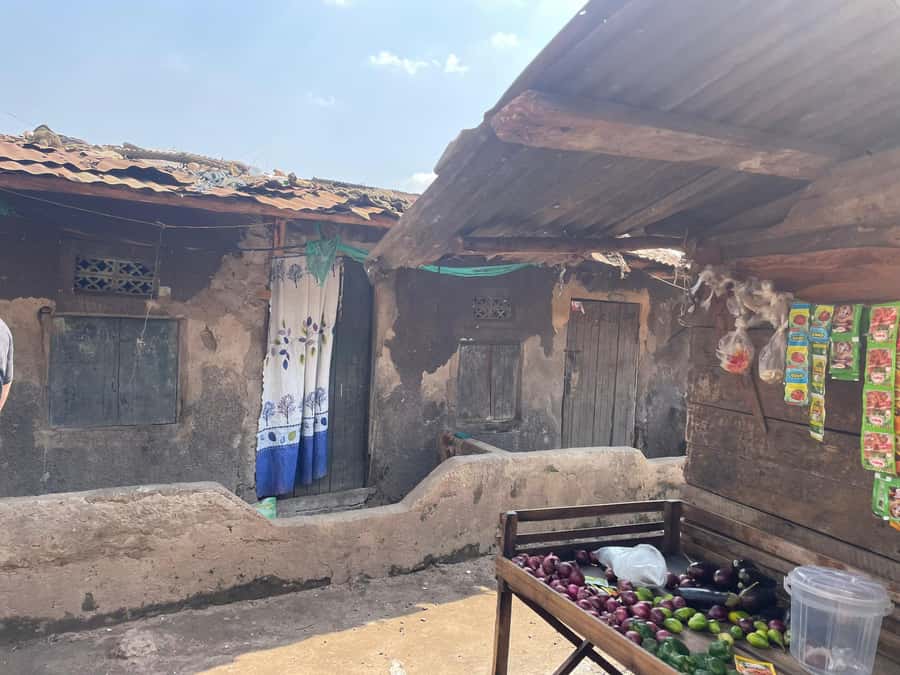
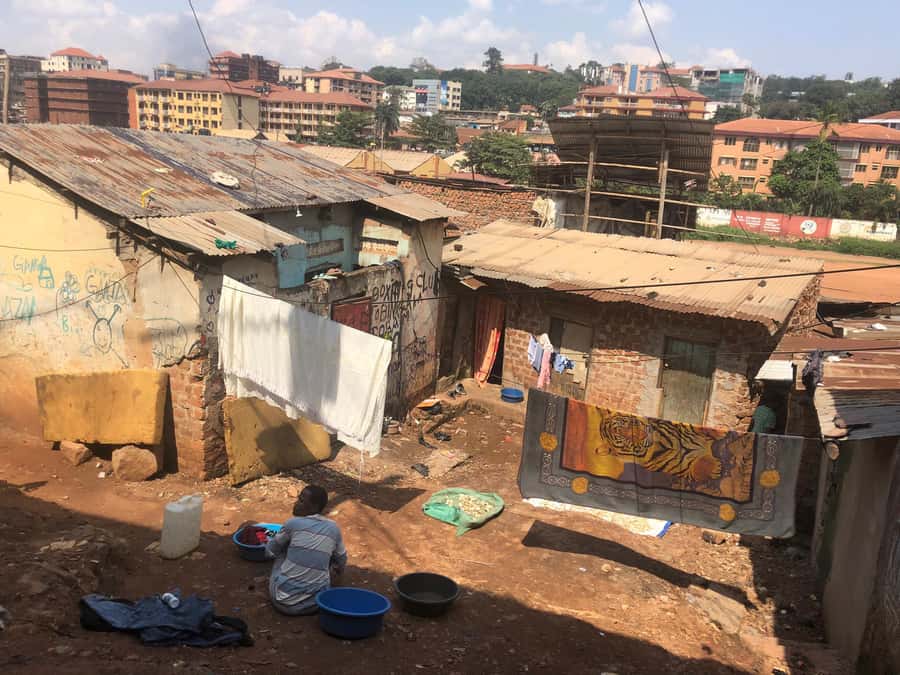
Once you reach Katanga, the walk focuses on everyday life, not dramatic scenes. You move through narrow alleys and busier paths where you’ll see how people generate income when formal systems are limited.
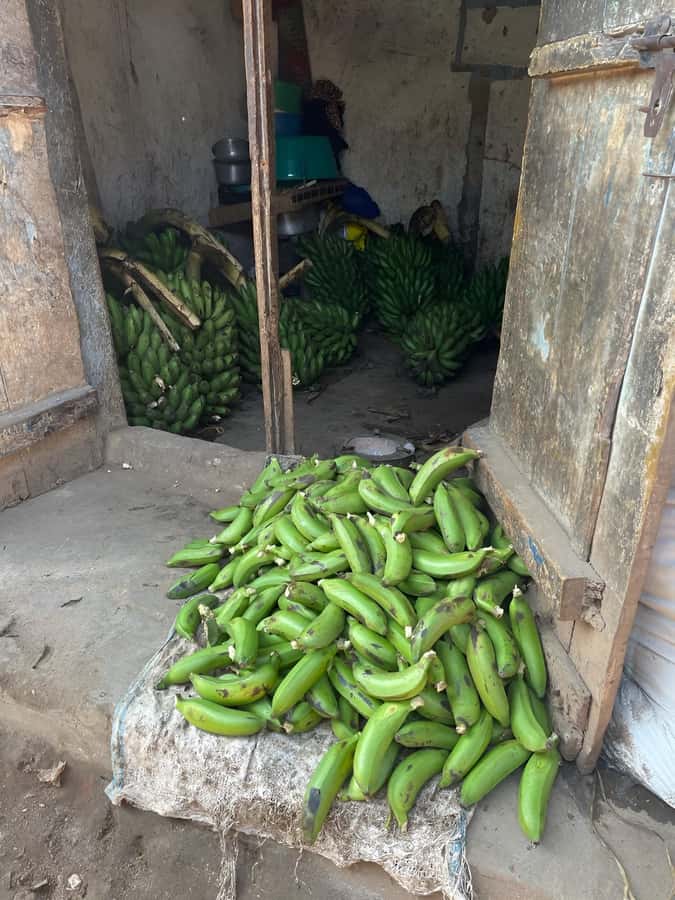
This is where the tour earns its keep. You might pass places like chapati frying food stalls, spot artisans recycling scrap materials, and see market vendors selling fresh produce and handmade goods. The point is not to label anything as “poverty” or “broken.” The point is to show the clever ways people build stability with what they have.
You’ll also notice how businesses act as social hubs. Even if you only spend 1.5 hours walking, you’ll likely catch small moments of interaction, people calling out to one another, and that constant background motion of a working neighborhood.
Homes, education, and youth projects you can read with your eyes
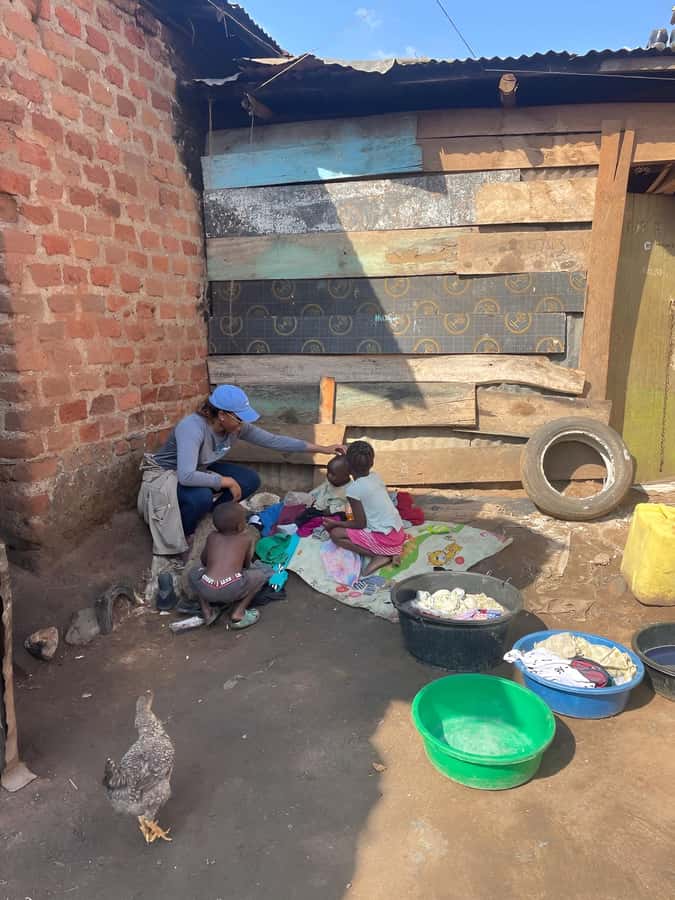
A big part of this experience is getting beyond the street level. Your route can include visiting local homes, and it can also feature schools or youth projects, which makes the theme of education impossible to miss.
It’s one thing to read about education in a general way. It’s another to see the way families and community leaders treat schooling as a practical way to change outcomes. The tour description highlights this directly, and reviews back it up with visits to a school as well as other community spaces.
One visitor specifically mentioned the kids being excited to see the group, and that feeling of welcome came through in their write-up. That doesn’t erase the challenges, but it does add a key truth: residents are people with pride, humor, and normal daily hopes.
Churches, a small gym area, and community spaces that shape daily life
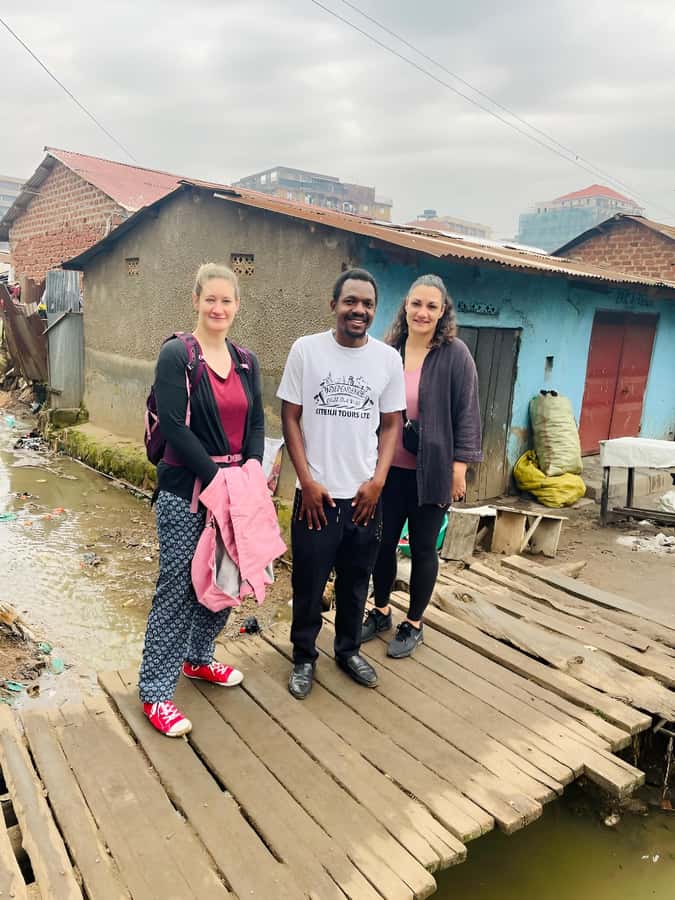
Katanga is not only homes and alleyways. Part of the tour experience can include stepping into community spaces like a church and a school, and at least some walks include a small gym or youth sports area.
Why does that matter? Because it shows you how communities organize energy, discipline, and support even when resources are scarce. Music echoing from churches, kids playing in improvised spaces, and community gatherings give you context you would not get from a photo alone.
Just as important, these stops often act like conversation anchors. Instead of you and your guide doing all the talking, you’re more likely to get local voices, explanations, and questions back. That back-and-forth is where the experience becomes real.
Facing overcrowding and sanitation issues without turning it into a tragedy show
The tour does not pretend life is easy. You will hear and see the harsh realities, including overcrowding, sanitation issues, and economic hardship, because these are part of everyday life in Katanga.
A good guide handles this carefully, and the tour description suggests you’ll keep a balanced view: the challenges are real, but so is the community’s perseverance. This is where a resident guide matters again. They can frame what you’re seeing without turning it into doom content.
If you go in with the right expectations, you’ll come away with more than sadness. You’ll likely come away with a clearer understanding of urban poverty, inequality, and resilience as lived experience, not abstract news terms.
Group size and pace, why 1.5 hours can feel like a complete story
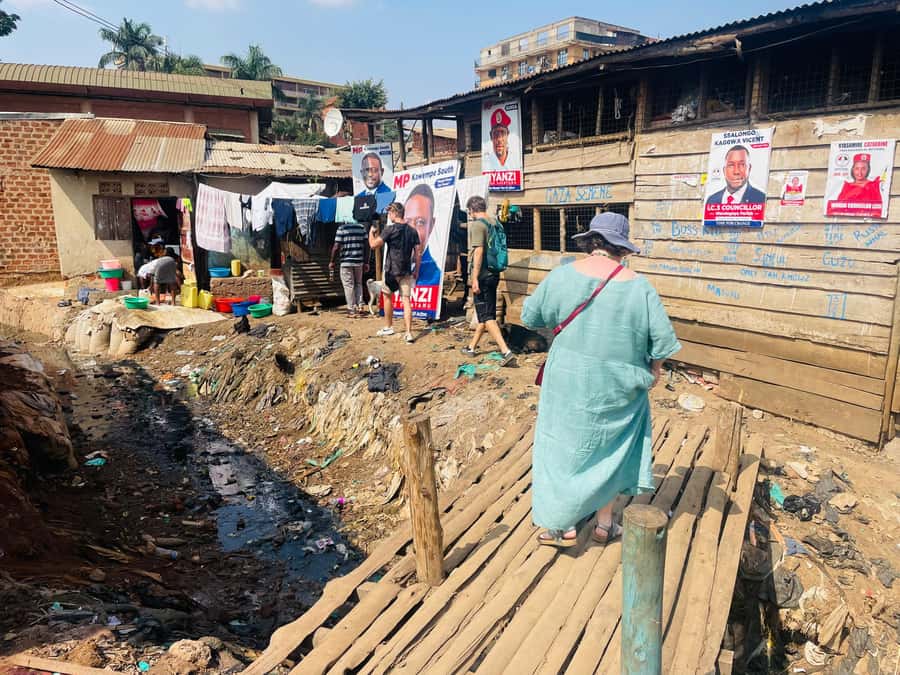
At 1.5 hours, you’re not meant to tour Katanga like a marathon. You’re meant to get a grounded picture of how people live, work, learn, and support one another.
The limit of 6 participants helps here. In a crowd, one loud or distracted group can derail the flow. In a small group, you can slow down when the guide shares context, and you can actually hear explanations at each stop.
The tour also runs between 9 am and 7 pm, and after booking an agent contacts you to confirm your preferred start time. That flexibility is useful if you want daylight for walking and photography, or if you’re building your day around other Kampala plans.
What to bring, and how to act so your visit lands respectfully
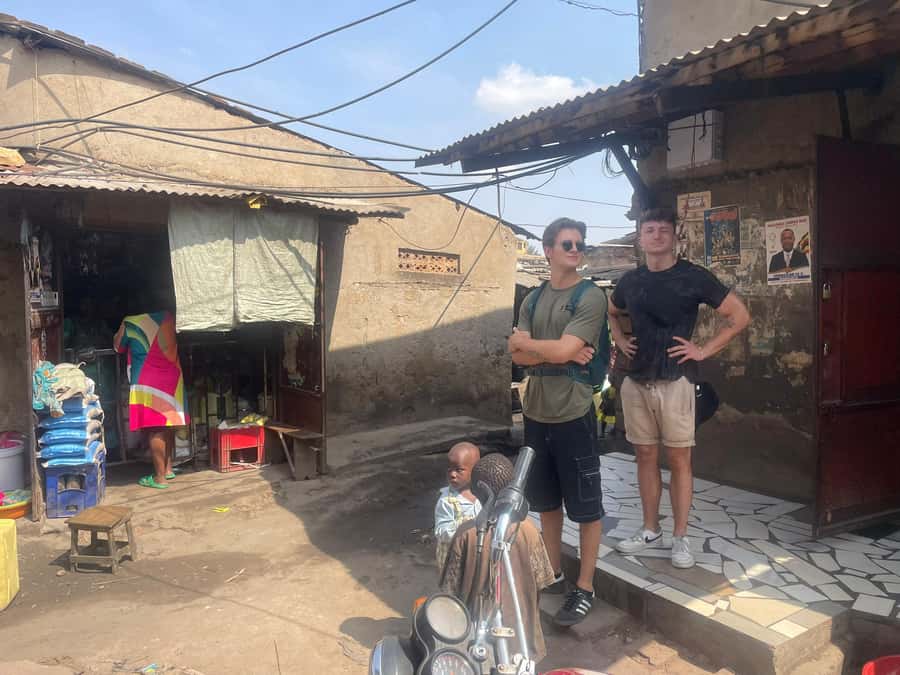
Bring comfortable shoes. That sounds basic, but it’s the single most important item for this kind of tour. Narrow lanes and uneven surfaces make this tour less about fashion and more about foot comfort.
Beyond gear, your attitude is the biggest “what to bring.” This is a cultural exchange, and the tour asks you to come with curiosity and respect. That means asking questions, listening carefully, and avoiding the urge to turn people’s lives into entertainment.
If you’re unsure what’s appropriate, lean on the guide. One past visitor highlighted that the guide clearly explained rules and expectations once inside. Use that help, because it signals respect and protects the flow of the walk.
Price check, does $25 make sense for Kampala?
Let’s be honest. $25 can sound steep or cheap depending on what you compare it to. A full-day tour might cost more, but this is a focused walk with a live guide and access you would not have alone.
The cost also reflects the human factor. Resident guidance takes time, and the tour emphasizes storytelling, interaction, and community visits. The small group limit to 6 people is part of what you pay for, because your guide is not juggling a big crowd.
Finally, if you care about impact, the tour notes that proceeds often support local projects. You should not assume this is some magic fix, but it does add moral value to your fee.
Who should book, and who should skip Katanga walking tours
This tour is a strong match for you if you want a human, guided understanding of urban life in Kampala, and you like learning from local explanations rather than relying only on distant impressions. If you enjoy conversations, community stops, and a route that moves beyond slogans, you’ll likely feel satisfied.
It may not be the best match if you have mobility limitations. The tour is not suitable for people with mobility impairments, likely because of the walking conditions and route type.
Also, if you get overwhelmed by seeing serious hardship, decide your emotional comfort in advance. The tour is balanced, but it still includes overcrowding and sanitation concerns as part of the lived reality.
Should you book the Kampal a Katanga Slum Guided Walking Tour?
I think you should book if you want a short, structured walk that helps you understand Katanga as a real neighborhood with real people. The small group size, the resident guide approach, and the way the route includes community spaces like a church and school make this more meaningful than a quick “look and leave” stop.
Skip it if walking on uneven paths is not workable for you, or if you prefer only light, problem-free sightseeing. And if you’re the type who needs total comfort and minimal disruption, this may feel too raw.
If you do book, go with patience and respect. Ask good questions, follow the guide’s expectations, and give yourself time to absorb what you’re seeing. That’s how a 1.5-hour walk turns into a lasting understanding of Kampala.
FAQ
How long is the Kampal a Katanga Slum Guided Walking Tour?
The tour lasts about 1.5 hours.
How much does the tour cost?
The price is $25 per person.
What is the group size?
It is a small group limited to 6 participants.
What language is the live guide?
The live tour guide speaks English.
Where does the tour start and finish?
It starts at Kitenji Uganda Safaris and Tours and returns there at the end.
Is food included in the price?
No. Meals and drinks are not included.
What should I bring?
Wear comfortable shoes.
What time does the tour run?
The tour is available between 9 am and 7 pm, and an agent will confirm your preferred start time after booking.
Is the tour suitable for people with mobility impairments?
No, it is not suitable for people with mobility impairments.
Is cancellation or rescheduling flexible?
The tour offers free cancellation up to 24 hours in advance for a full refund.
If you want, tell me your travel dates and what kind of experiences you like in Kampala, and I’ll suggest a simple day plan around this walk.
Other Uganda Trips



The Rest of the Uganda File
Kampala on Foot, Guide by Guide


Other Uganda trips we have written up
- 7-Day Uganda Adventure Safari – Midrange Lodges★ 5.0 · 3 reviews
- 5 days gorillas and chimpanzee tracking★ 4.5 · 3 reviews
- A Thrilling 1-Day Rhino Tracking Tour in Uganda★ 5.0 · 3 reviews
- 3 Days Murchison Falls Wildlife Safari★ 4.5 · 3 reviews
- 10 Day Gorilla Chimps and Big 5 Safari★ 5.0 · 3 reviews
Kampala Walking Tours, compared.
 ★ 5.0Kampala’s Best Experience walking tourFrom $33137 reviews
 ★ 5.0Kampala Walking City Tours (Women Guided)From $34115 reviews
 ★ 5.0Kampala Walking Tour (3 Hours) with Optional Gaddafi Mosque VisitFrom $32112 reviews
 ★ 4.7City Guided walking sightseeing TourFrom $2252 reviews
 ★ 5.0Inside Kampala Walking Tour (Female Guided)From $2552 reviews
 ★ 5.0Kampala Heart of Walking AdventureFrom $2643 reviews
★ 5.0Inside Kampala walking tour (Female guided)From $3540 reviews
★ 5.0Kampala Heart of Walking AdventureFrom $2643 reviews
★ 5.0Inside Kampala walking tour (Female guided)From $3540 reviews
 ★ 5.0Free Female Guided Walking Tours Kampala (3 Hours)From $3025 reviews
Browse the lists this tour appears in