
REVIEW · KAMPALA WALKING TOURS
Kampala guided walking tour
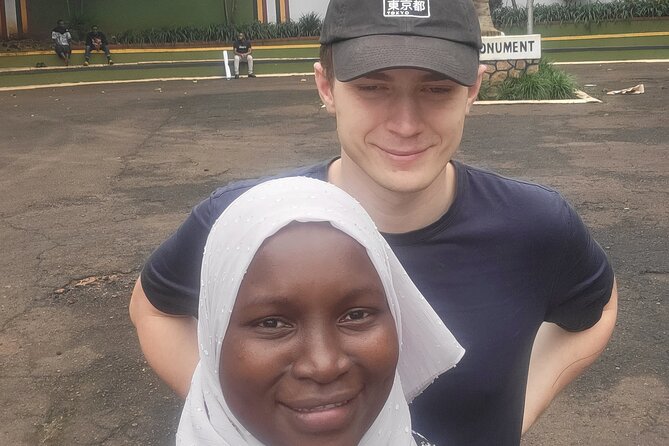
Kampala shows up fast. On this 4-hour Kampala guided walking tour, I like how the route turns the city into a story you can walk through, and you get to use Fatumah to spot the places most maps miss. Stops like Owino Market make the chaos feel organized, and you still get clear history along the way.
Two things I really appreciate: you get help navigating daily life in the markets, including the big food and second-hand lanes at Owino and the spice shopping at Nakasero, and the guide keeps you comfortable and confident as you move through crowded streets. One drawback to plan for: some major stops cost extra, especially the Gaddafi National Mosque and Kabaka’s Palace, and the mosque requires an Islamic dress code once you’re there.
Because the tour runs about 4 hours, it’s a good way to see a lot without feeling stuck in one place. In practice, it’s also a very “you are here, not just watching” kind of outing, with a calm pace and safety care that shows up in how Fatumah manages the group around busy corners.
In This Review
- Key highlights you will actually feel on the route
- Starting at Uganda National Mosque, then walking into Old Kampala
- Gaddafi National Mosque and the city view, with dress code to plan for
- Kabaka’s Palace visit: power, tradition, and guided time on the grounds
- Owino Market: the biggest test of a map, the easiest with the right guide
- Old Taxi Park: public transport history you can feel in your feet
- Optional restaurant stop for local food, rolex, or coffee with a view
- Hindu temple stop: learning when and how Hinduism arrived in Uganda
- Nakasero Market and spice shopping, where you can actually check off flavors
- Sir Edward Muteesa monument and Independence Monument: the story behind names
- Gorilla monument, Impala monument, and the National Theatre: Uganda’s identity in public spaces
- Bagala Craft Market finish: souvenirs after you know what you’re buying
- Price and value: $35 for four hours, plus a couple extra fees
- Who this tour suits best
- Should you book the Kampala guided walking tour?
- FAQ
- Where does the tour start?
- How long is the Kampala guided walking tour?
- What does it cost?
- What language is the guide?
- What admissions are included in the price?
- What admissions are not included?
- Is there a dress code for the mosque?
- Is there an option to eat during the tour?
- What are the cancellation and payment options?
Key highlights you will actually feel on the route
- Meet your guide at Uganda National Mosque and start in the heart of Old Kampala energy
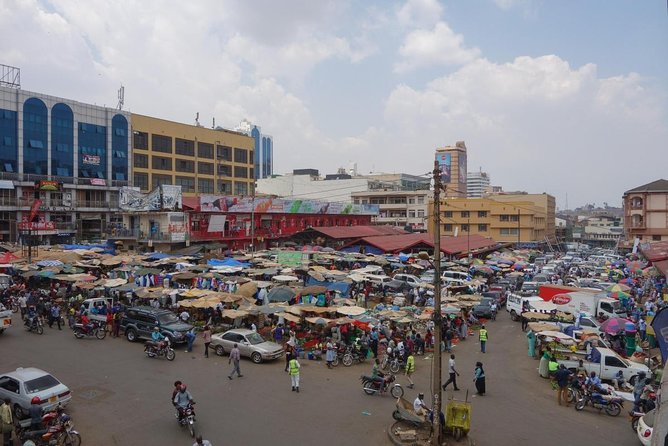
- Walk with Fatumah through markets where ordering, shopping, and asking questions feels easier
- See Kampala from viewpoints after you handle the Gaddafi Mosque entry and dress requirements
- Ride the story of transport at Old Taxi Park, a public transit hub with local rhythm
- Do monument-hopping that explains the naming, independence path, and major figures behind the city
- Finish at Bagala Craft Market so souvenirs are the last thing, not the first thing
Other Kampala walks, guide by guide
- Kampala’s Best Experience walking tour
★ 5.0 · 137 reviews - Kampala Walking City Tours (Women Guided)
★ 5.0 · 115 reviews - Kampala Walking Tour (3 Hours) with Optional Gaddafi Mosque Visit
★ 5.0 · 112 reviews - Kampala: City Guided walking sightseeing Tour
★ 4.7 · 52 reviews
Starting at Uganda National Mosque, then walking into Old Kampala
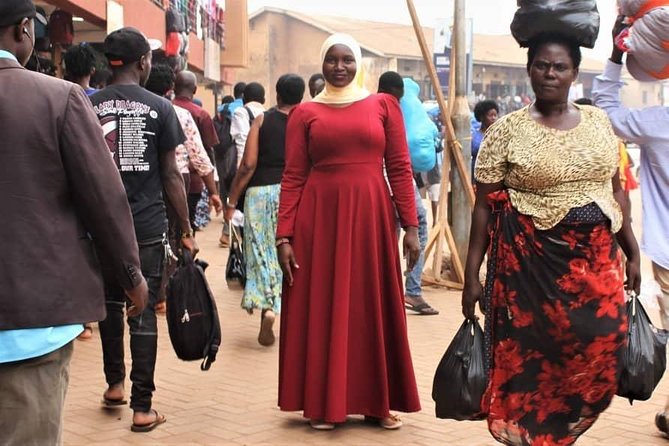
The tour starts at Uganda National Mosque. That matters, because the day does not begin with a random photo spot. You begin with a place that frames Kampala’s mix of faith and public life, and it sets expectations: you are walking through neighborhoods that are still active.
From the start, the whole experience is guided walking, not a bus stop-and-go list. I like this format because you can react to what you see. If you want to ask how people live, where they shop, or what a monument is really about, your guide can steer you into the right moment.
And right away, you will notice the theme: Kampala is organized chaos. With the right guide, it feels less like confusion and more like a city with rules you just have not learned yet.
Gaddafi National Mosque and the city view, with dress code to plan for
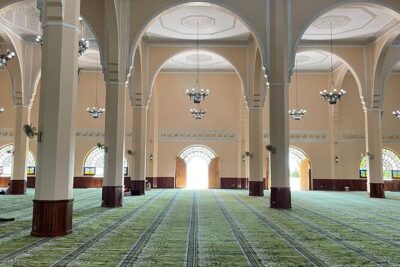
One of the first big experiences is Gaddafi National Mosque. Entry requires an additional fee, and once you arrive you go through the mosque’s Islamic dress code process before you can go inside. If you have never dealt with dress requirements at places of worship, treat it like part of the cultural experience, not a problem.
What you gain is context. You do not just look at the building from the outside. You get the mosque’s history and then time to see Kampala from a better angle, including a view that helps you understand the city’s layout once you are back on foot.
Practical note: this stop can be a speed bump if you show up unprepared. Plan for extra time to comply with the dress code, and keep a calm attitude. This is also where having a patient guide makes a real difference.
Kabaka’s Palace visit: power, tradition, and guided time on the grounds

Next up is Kabaka’s Palace. Like the mosque, it has an entry fee, and the tour includes a guided visit once you get in. This is one of those stops where explanations matter, because the palace is tied to the kingdoms that shaped how Kampala grew.
If you care about Uganda’s monarchy and traditional authority, this part of the walk is a strong anchor. If you do not, you can still appreciate it as a visual starting point for understanding why certain areas, names, and monuments feel connected to identity.
Expect to move carefully and follow your guide’s instructions. This is not a quick glance kind of stop. You are walking with someone who helps you see what you might otherwise miss.
More Uganda walks at street level

Owino Market: the biggest test of a map, the easiest with the right guide
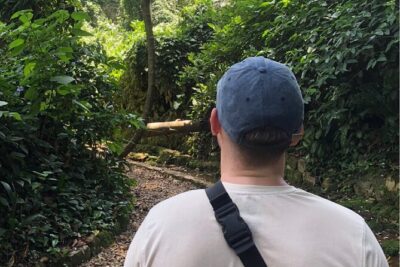
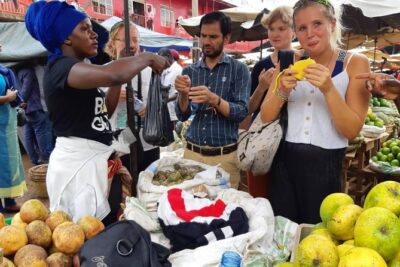
Then you hit Owino Market, described as Kampala’s biggest market, with both food and second-hand items. This is where the tour earns its value for you.
Markets like Owino are not “one street, one stall.” They are layers. They are narrow passages, crowded counters, and people moving fast. On your own, it can feel overwhelming quickly. With a guide like Fatumah, navigation becomes a skill you borrow for the day. She can get you pointed in the right direction, explain what you are looking at, and help you avoid spinning your wheels.
What I like here is how it connects shopping to daily life. You are not just hunting souvenirs. You are watching how food and second-hand goods move through the city, how bargaining works in practice, and what people actually buy.
One more reason this stop is praised: safety and comfort. The reviews you will find for this tour repeatedly mention that the guide looks after people well around busy areas, and that shows in how she handles questions and crowd flow.
Old Taxi Park: public transport history you can feel in your feet
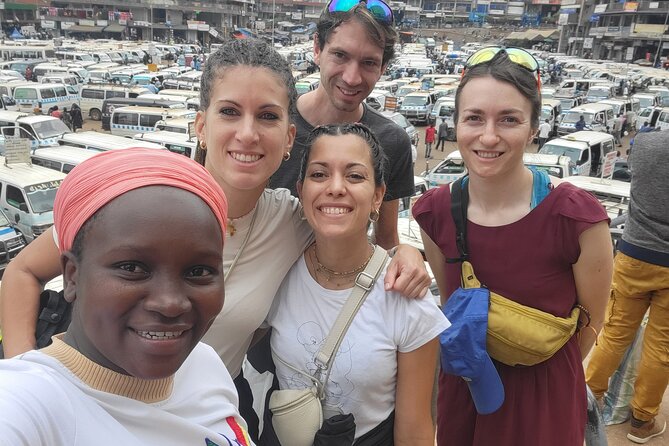
After Owino, you visit Kampala Old Taxi Park, guided. This is a different kind of sightseeing. It is not a monument you read from a distance. It is a working public transport hub.
You learn how people board cars as public means of transport, and you understand the city’s movement system from the inside, not from a travel brochure. For many visitors, this is one of the most memorable parts because it looks ordinary, but it is full of Kampala logic.
If you are sensitive to crowds, keep your expectations realistic. It can be busy. The plus is that a guide can help you position yourself, ask questions, and move without getting stuck in the middle of the action.
Optional restaurant stop for local food, rolex, or coffee with a view
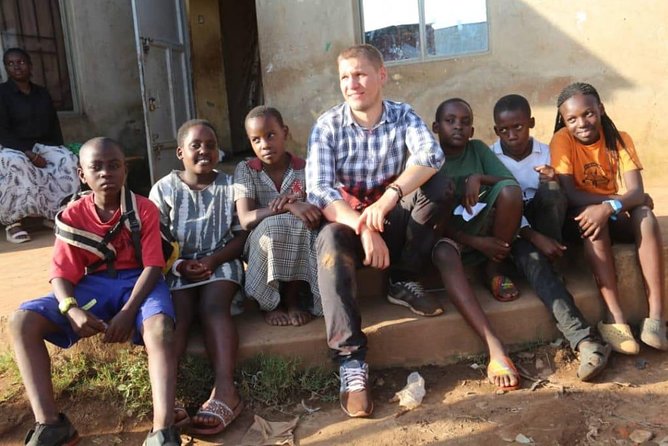
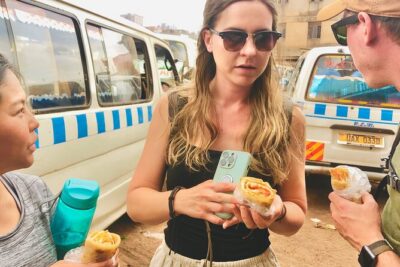
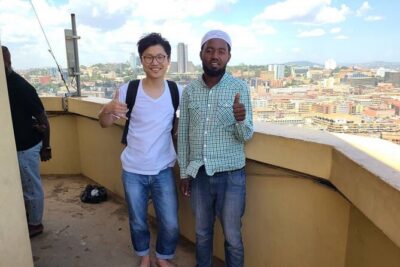
There is an optional stop at a restaurant. You can taste local food, or choose something familiar to East African street culture like rolex, or go for coffee. The key detail is the view from a balcony, so you get a breather where the city looks calmer than it feels on the sidewalk.
This is a good moment to reset before you continue the monument and temple part of the day. If you want to keep moving, you can skip a long sit-down. If you want to eat and watch the city, it is built in.
Hindu temple stop: learning when and how Hinduism arrived in Uganda
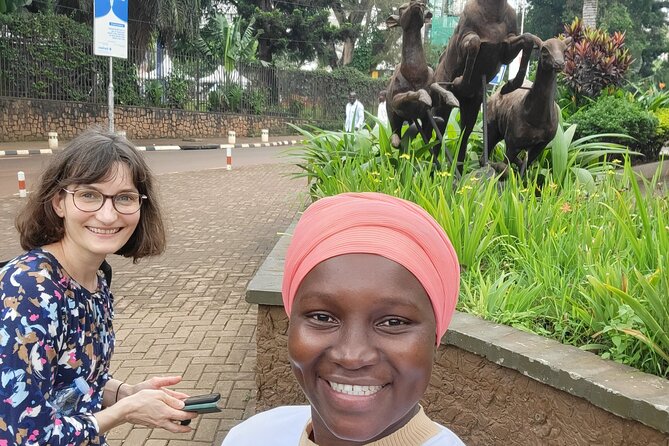
Next on the walk is the Hindu temple. This is one of the religion-focused stops that helps you understand Uganda as a country of multiple faiths, not just one story.
You learn about Hinduism and when it arrived in Uganda. In a walking tour like this, that kind of explanation matters because you are not reading facts in a room. You are standing in the place, seeing people come and go, and listening while the site makes sense around you.
This stop is also a nice balance after market intensity. It gives you a quieter pace and a different kind of attention.
Nakasero Market and spice shopping, where you can actually check off flavors
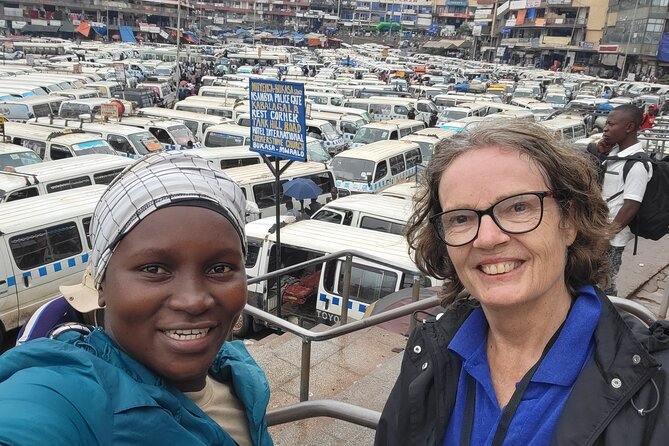
From there you reach Nakasero Market, and this is a second market highlight with a different flavor. It includes food, and the route notes it as a place you can do shopping for spices if you need them.
This is where the tour shifts from “see everything” to “buy what you care about.” If you like cooking, this is your chance to ask questions and pick up ingredients that match your tastes. If shopping is not your thing, Nakasero still works as a sensory stop because the market atmosphere is distinct from Owino.
This is also where having a guide is practical. You do not need to be an expert shopper to enjoy it. You just need someone to help you find what you want and understand what you are paying for.
Sir Edward Muteesa monument and Independence Monument: the story behind names

The tour then moves into Kampala’s monument ring, with visits that explain who mattered and why.
You visit the monument of Uganda’s first president, Sir Edward Muteesa, and you get the background on why the monument was put up. After that, you visit the Independence Monument, with the history of Uganda’s road to independence.
These stops work well in walking format. Monuments are easier to understand when your feet are on the ground nearby, because you can see how the city frames them and how people pass by them in everyday life.
If you like history but hate long museum lectures, this is a smart compromise. You get story beats without losing the day to sitting still.
Gorilla monument, Impala monument, and the National Theatre: Uganda’s identity in public spaces
The route continues with more specific identity landmarks:
- the gorilla monument, tied to Uganda’s main attraction related to national parks
- the Impala monument, explaining the origin of the city name
- the National Theatre, described as the oldest theatre, with portraits of different kings and the five main kingdoms
Even if you are not a “monument person,” these stops help you connect the dots. Uganda is often summarized as nature and safaris, but these landmarks remind you that Kampala also holds political and cultural identity in plain sight.
And the National Theatre piece adds something unusual. It is not just about the building. It links to the kings and kingdom portraits, which gives you a sense of continuity across the city.
Bagala Craft Market finish: souvenirs after you know what you’re buying
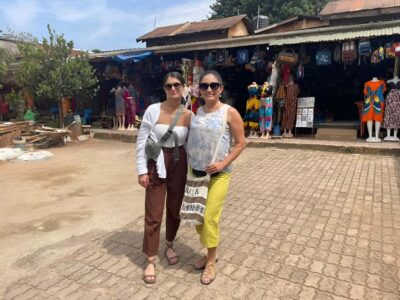
The tour ends at Bagala Craft Market. By this point, you have already learned what matters locally, so shopping feels less random.
Bagala is where you can pick up souvenirs, and it is placed as the last stop on purpose. Starting with markets and monuments means you are not just buying items. You are buying with context.
If you find yourself overwhelmed earlier in the day, the craft market is a gentler landing. It is still shopping, but it comes after you have built a mental map of the city.
Price and value: $35 for four hours, plus a couple extra fees
At $35 per person for a 4-hour walking tour, you are paying for guidance, time on foot, and multiple paid entries that are partly included. Here is the part that makes it feel fair:
Included admissions are listed for Owino market, Old taxi park, Nakasero market, Independence monument, and Bagala craft market. Those are exactly the kind of stops that can otherwise add up.
Not included admissions are Gaddafi National Mosque and Kabaka’s Palace. So your total cost could rise depending on those fees, plus whatever you choose to buy in markets or pay for food at the optional restaurant stop.
Still, for a guided walking day that covers markets and major landmarks, $35 is a solid value if you like practical cultural exposure more than ticking off a short list of photo spots.
Who this tour suits best
This tour is a great fit if you:
- want a guided walking Kampala experience instead of a car circuit
- care about daily life, especially markets and public transport areas
- like learning the meaning behind monuments, not just taking pictures
- want a guide who manages safety and crowd flow well
It is also a smart choice if you prefer an easy pace. The guidance style comes through in the reviews: patient, friendly, and flexible, with answers to questions and help with priorities that pop up on the spot. One review even highlights that Fatumah can help with small needs like finding cash or picking up stamps.
Should you book the Kampala guided walking tour?
If you want to experience Kampala through markets, monuments, and real street corners, book it. This is not a high-speed sampler. It is a guided walk that helps you understand the city’s rhythm, especially in Owino and Nakasero.
I would only hesitate if you dislike crowded areas or you know you will find dress code requirements at Gaddafi National Mosque stressful. If you go in prepared and patient, the payoff is strong: you get the organized chaos of Kampala with a guide who makes it feel navigable.
FAQ
Where does the tour start?
The tour starts at Uganda National Mosque.
How long is the Kampala guided walking tour?
It lasts 4 hours.
What does it cost?
The price is $35 per person.
What language is the guide?
The tour is guided in English.
What admissions are included in the price?
Included admissions are for Owino market, Old taxi park, Nakasero market, Independence monument, and Bagala craft market.
What admissions are not included?
Admission for Gaddafi National Mosque and Kabaka’s Palace is not included.
Is there a dress code for the mosque?
Yes. After paying the entry fee for the mosque, you are required to follow an Islamic dress code before you can go inside.
Is there an option to eat during the tour?
Yes. There is an optional restaurant stop where you can taste local food, rolex, or have coffee with a view from a balcony.
What are the cancellation and payment options?
You can cancel up to 24 hours in advance for a full refund. It also offers reserve now and pay later, so you can book your spot and pay nothing today.
Other Uganda Trips

The Rest of the Uganda File
Kampala on Foot, Guide by Guide


Other Uganda trips we have written up
- 7-Day Uganda Adventure Safari – Midrange Lodges★ 5.0 · 3 reviews
- 5 days gorillas and chimpanzee tracking★ 4.5 · 3 reviews
- A Thrilling 1-Day Rhino Tracking Tour in Uganda★ 5.0 · 3 reviews
- 3 Days Murchison Falls Wildlife Safari★ 4.5 · 3 reviews
- 10 Day Gorilla Chimps and Big 5 Safari★ 5.0 · 3 reviews
Kampala Walking Tours, compared.
 ★ 5.0Kampala’s Best Experience walking tourFrom $33137 reviews
 ★ 5.0Kampala Walking City Tours (Women Guided)From $34115 reviews
 ★ 5.0Kampala Walking Tour (3 Hours) with Optional Gaddafi Mosque VisitFrom $32112 reviews
 ★ 4.7City Guided walking sightseeing TourFrom $2252 reviews
 ★ 5.0Inside Kampala Walking Tour (Female Guided)From $2552 reviews
 ★ 5.0Kampala Heart of Walking AdventureFrom $2643 reviews
★ 5.0Inside Kampala walking tour (Female guided)From $3540 reviews
★ 5.0Kampala Heart of Walking AdventureFrom $2643 reviews
★ 5.0Inside Kampala walking tour (Female guided)From $3540 reviews
 ★ 5.0Free Female Guided Walking Tours Kampala (3 Hours)From $3025 reviews
Browse the lists this tour appears in