
REVIEW · RWENZORI & HIGHLAND ADVENTURES
7 Days Rwenzori Summit (Margherita Peak) Hike
Africa’s third-highest summit demands real effort. This Rwenzori climb is interesting because you move through rainforest, rivers, and waterfalls before reaching alpine zones with glaciers and high-mountain lakes. I love the small-group pace (max 15) because it feels controlled, not chaotic, and I also love that your hiking gear and hut accommodation are included, so you are not scrambling last minute for equipment. One drawback to consider: this is physically demanding, and you will need to plan for cold and rain with the two key items not included, rain jackets and high mountain pants.
In practice, the trek is built around acclimatization, with a schedule that fits most hikers into about 7 to 8 days. The payoff is huge, from blue monkeys to three-horned chameleons, plus big views from the major peaks along the way.
In This Review
- Key highlights I’d circle before you go
- Margherita Peak in Uganda: why this summit trek feels special
- What your money actually covers (and why the value makes sense)
- Logistics in real life: Fort Portal start, pickup, and timing
- The core challenge: acclimatization and a 7 to 8 day rhythm
- Day-by-day: the hut-to-hut climb to Margherita Peak
- Day 1: Nyakalengija (1615m) to Nyabitaba Hut (2651m)
- Day 2: Nyabitaba Hut (2651m) to Mubuku River (2600m) and John Matte Hut (3380m)
- Day 3: John Matte Hut (3380m) to Bujuku Hut (3962m)
- Day 4: Bujuku Hut (3977m) to Elena Hut (4541m)
- Day 5: Elena Hut (4541m) to Margherita Peak, then to Kitandara Hut (4027m)
- Day 6: Kitandara Hut (4027m) to Fresh Field Pass (4282m) to Guy Yeoman Hut (3450m)
- Day 7: Guy Yeoman Hut (3450m) to Nyabitaba Hut (2651m)
- Day 8: Nyabitaba Hut (2651m) to Nyakalengija (1615m)
- Wildlife moments you’ll actually care about
- Guides and park rangers: what “world-class support” looks like on a trek
- Gear and clothing planning: the two items you must cover
- Who should book this, and who should slow down
- Should you book this Margherita Peak hike?
- FAQ
- Where does the trek start, and where does it end?
- What time does the trek start?
- How long is the hike?
- Is pickup offered?
- What is the maximum group size?
- What is included in the price?
- What is not included?
- Do I need to bring my own trekking equipment?
- How fit do I need to be?
- Can I cancel and get a full refund?
Key highlights I’d circle before you go
- Park rangers plus expert guides handling safety, pace, and route on the Rwenzori climb
- Hut-to-hut itinerary with clear altitude steps, like Elena Hut at 4541m and Guy Yeoman Hut at 3450m
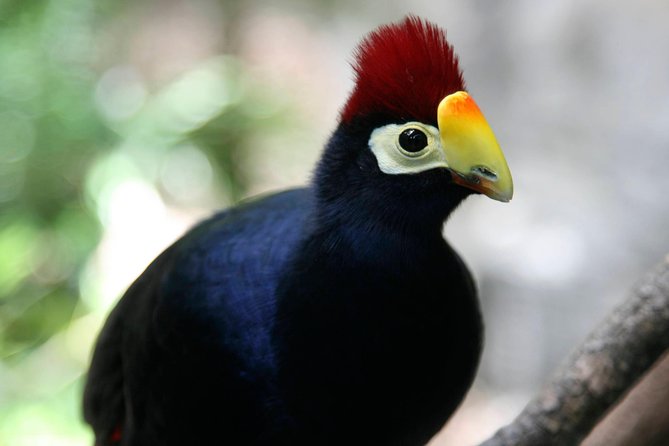
- Endemic wildlife chances in the forests and alpine zones, including blue monkeys and the three-horned chameleon
- All hiking gears included, plus meals and bottled water across the full trek
- A realistic schedule for most hikers, typically adding an acclimatization rest day within the 7 to 8 day plan
Higher ground: more Rwenzori and Elgon routes
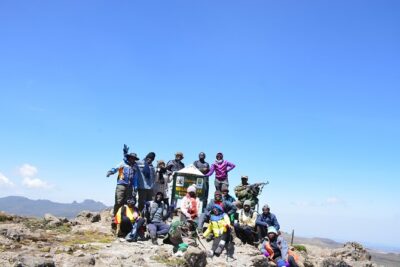
- 4 Days mount Elgon Trek, 4321m a.s.l
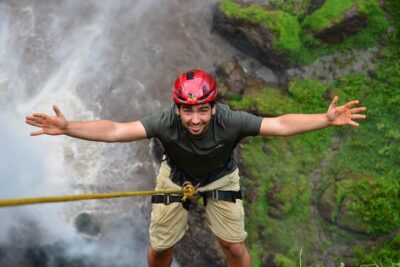
★ 5.0 · 11 reviews - 2 Days Abseiling and Rock Climbing
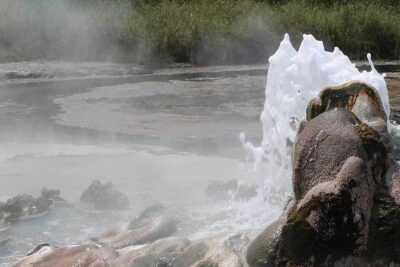
★ 5.0 · 8 reviews - Hot Springs Exploration and Hike Craters
★ 5.0 · 6 reviews
Margherita Peak in Uganda: why this summit trek feels special
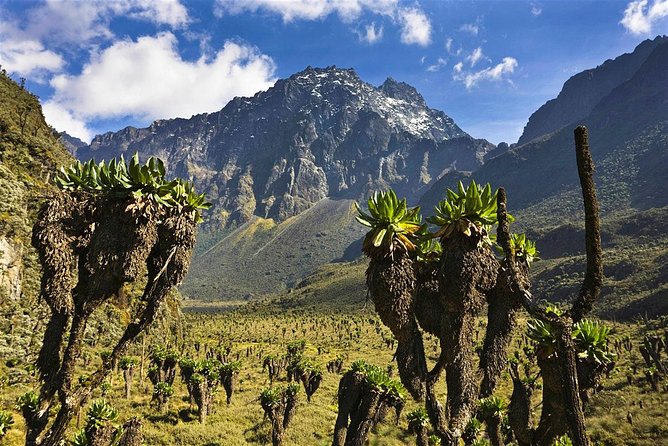
You are not just walking in the mountains here. You are climbing Africa’s third-largest summit, Margherita Peak, in Uganda’s Rwenzori Mountain National Park, and the route forces your body to adapt as the scenery changes.
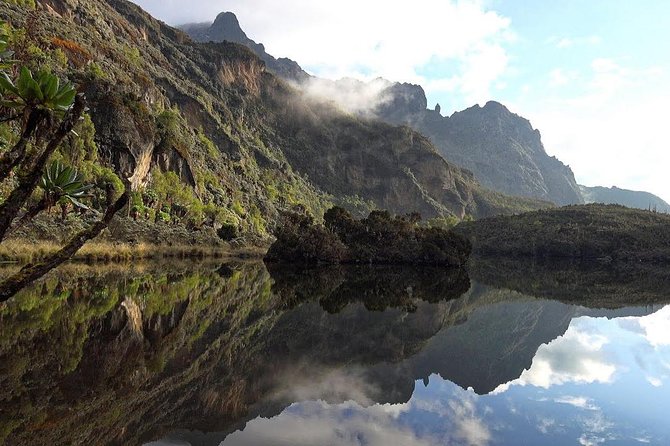
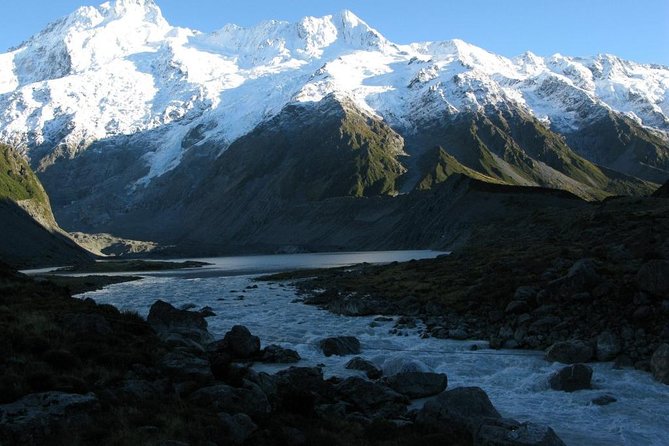
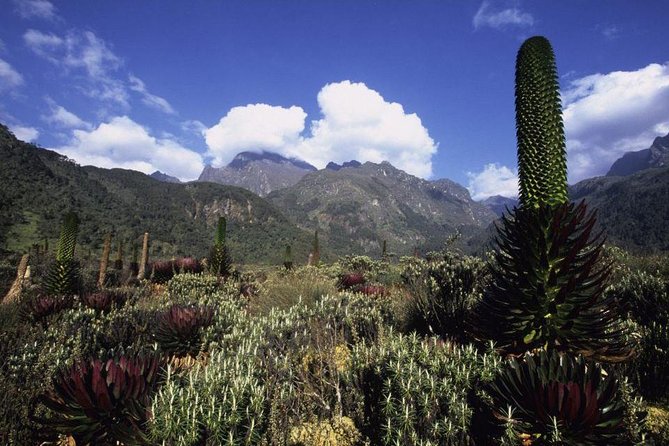
Most treks peak out and stop. Rwenzori keeps shifting environments. You start lower in the Nyakalengija area, then climb through rainforest country and water-heavy terrain, and eventually reach the cold, high alpine sections where glaciers and alpine lakes show up in the mix. That transition is the real “wow” factor.
What your money actually covers (and why the value makes sense)
The price is $1,435.90 per person for roughly 7 days, and it includes several big cost drivers that add up quickly on a mountain trip.
Here’s what’s covered:
- National park entrance fees for 7 to 8 days
- Meals (breakfast, lunch, dinner) across the trek
- Bottled water for the week
- Expert guides and park rangers
- All hiking gears
- Overnight hut accommodation (you sleep in huts, not wild camping)
What’s not included:
- Insurance
- Tips
- Visa costs
- Flight tickets
- Rain jackets and high mountain pants
For value, the big win is the combination: park fees + guides and rangers + hut lodging + food + gear. If you were trying to build this yourself, you would typically pay for those pieces separately, and you would still be guessing on logistics and equipment. Here, the package is designed to take that stress off your shoulders.
Logistics in real life: Fort Portal start, pickup, and timing
Your meeting point is Trek Rwenzori Tours in Fort Portal (Rukidi III St). The start time is 8:00 am, and the activity ends back at the same meeting point.
Pickup is offered, and a key practical point is to confirm pickup timing and where you will gather before 8:00 am. Fort Portal is the hub for starting Rwenzori trips, and having clear coordination matters because the trek itself runs on altitude and weather, not your schedule.
Group size is kept small, up to 15 travelers. That matters for a trek like this because it keeps attention from getting spread too thin, and it helps the team manage rhythm across different fitness levels.
Uganda on foot, more routes reviewed
The core challenge: acclimatization and a 7 to 8 day rhythm
The trek is typically 7 to 8 days. Very experienced hikers can do it in 6 to 7 days, but for most people the plan adds time so you acclimatize and finish safely.
Even if your days are packed, you’ll notice the altitude profile is staged. You climb to higher hut elevations, settle in, then move again. That pattern reduces the “all at once” feeling and gives your body time to adapt.
Also, note this is not a marathon where speed is the goal. It’s a steadiness test. The best results come from controlled effort, good hydration, and listening to your guide team when the air thins.
Day-by-day: the hut-to-hut climb to Margherita Peak
Below is the route flow you will follow, with what each stage feels like and why each stop matters.
Day 1: Nyakalengija (1615m) to Nyabitaba Hut (2651m)
This is your first altitude jump, and it sets your pace for the rest of the week. Nyakalengija is the start point, then you steadily gain to Nyabitaba Hut at 2651m.
Why Day 1 matters: it is where you learn how your body reacts when you move from lower elevation into mountain air. It also tends to be the day when you get your rhythm with the group, because everyone is still fresh enough to find pace.
Day 2: Nyabitaba Hut (2651m) to Mubuku River (2600m) and John Matte Hut (3380m)
You drop slightly toward Mubuku River (2600m) and then push upward to John Matte Hut at 3380m.
That “down then up” shape is useful. It is a reminder that mountain trekking is rarely linear. Your legs work differently on the downs, and your lungs learn how to handle the next push after a brief relief.
Day 3: John Matte Hut (3380m) to Bujuku Hut (3962m)
Now you are moving into a higher zone, with Bujuku Hut at 3962m. This is where the trek starts feeling more serious, especially if weather turns colder.
Why this day can be tough: altitude plus effort. Even if the trail is manageable, the air makes you work harder for the same forward movement.
Day 4: Bujuku Hut (3977m) to Elena Hut (4541m)
Elena Hut at 4541m is a major high point before your summit push. Expect colder temperatures and a noticeable change in how the environment feels.
This is a critical acclimatization day zone. You are not just climbing for mileage, you are positioning your body for what comes next, including the route through major peaks that culminates at Margherita Peak.
Day 5: Elena Hut (4541m) to Margherita Peak, then to Kitandara Hut (4027m)
This is the summit day. From Elena Hut you head toward Margherita Peak and then continue to Kitandara Hut at 4027m.
Why this is the day people remember: the combination of altitude effort and the payoff. You reach the high point of this trek, and after summit time you still must manage the walk down to the hut so you can recover.
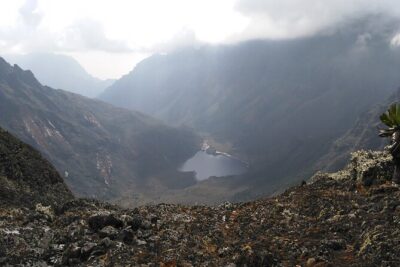
You also earn a deeper sense of place here. Rwenzori has a unique mix of alpine features, including glaciers and high-mountain lakes that show up in the upper zone. Even if you do not see everything every day, the environment is clearly changing at this stage.
Day 6: Kitandara Hut (4027m) to Fresh Field Pass (4282m) to Guy Yeoman Hut (3450m)
You climb again to Fresh Field Pass at 4282m, then descend to Guy Yeoman Hut at 3450m.
Why this day is important: it tests your stamina after the summit. Many people think the hardest part is only reaching the top, but recovery and steady movement after the peak day matters just as much. That pass section can also feel mentally demanding because you are already tired, yet you still have ground to cover.
Day 7: Guy Yeoman Hut (3450m) to Nyabitaba Hut (2651m)
This is a big altitude move downward to Nyabitaba Hut at 2651m.
Down days can feel oddly tricky. Your body may still be coping with high elevation, and a lot of downhill walking uses different muscle patterns. Done well, though, this stage helps you reset before the final walk out.
Day 8: Nyabitaba Hut (2651m) to Nyakalengija (1615m)
You finish the trek back at Nyakalengija at 1615m. This is your final descent and a chance to settle back into lower elevation breathing.
You will likely feel it in your knees and calves, even when the trail is straightforward. Treat this as a wrap-up day, not a victory sprint.
Wildlife moments you’ll actually care about
One thing I really like about Rwenzori is that it is not only a mountain climb. You have chances to experience the ecosystem along the way.
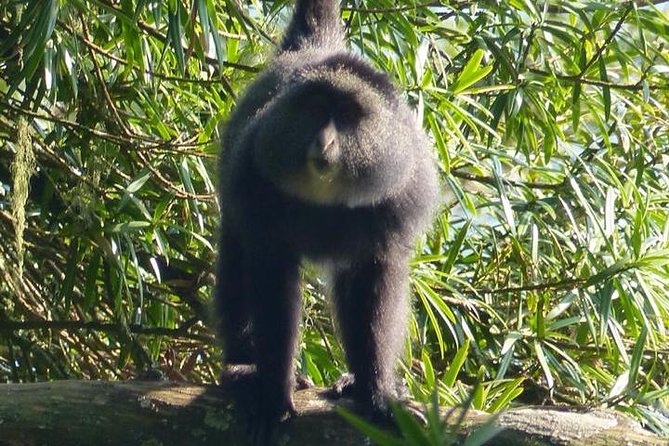
You may see blue monkeys, and you have a real shot at endemic wildlife such as the three-horned chameleon. In the higher zone, people also talk about glaciers and alpine lakes, which are rare to experience on a summit trek close to the equator.
In practical terms: keep your eyes up, but do not stop moving every time you see something. Your guide will help you decide when a quick pause is safe and when you should keep going to protect your energy.
Guides and park rangers: what “world-class support” looks like on a trek
In the feedback for this operator, the same themes keep coming up: guides who are professional, organized, and genuinely focused on safe progress. Emmanuel is repeatedly named as a key organizer, and guides like Enoch and John show up in accounts of the trek experience.
What I take from that, as advice for you: you will get more than a person in front of the group. You get a team that manages pace, altitude thinking, route decisions, and day-to-day coordination. In a mountain setting, that matters more than flashy promises.
Also, small details matter. Several accounts highlight smooth communication and help before and during the trip, including being received and transported through the start of the journey.
Gear and clothing planning: the two items you must cover
This trek includes all hiking gears, plus you sleep in hut accommodation and eat meals during the trek. That removes a huge chunk of pre-trip hassle.
But two items are explicitly not included:
- Rain jackets
- High mountain pants
That tells you where you should spend your attention. High altitude plus changing weather is not theoretical on Rwenzori. Plan to stay dry when conditions turn wet, and plan for warmth and wind protection where temperatures can drop.
If you show up without these, you risk feeling miserable even when the trail is manageable. With them, you can focus on the walk, the rhythm, and the summit payoff.
Who should book this, and who should slow down
You should consider this trek if:
- You have strong physical fitness
- You want a guided, small-group hut-to-hut climb with a set itinerary
- You are comfortable with altitude and a multi-day mountain effort
You should think twice if:
- You want an easy vacation hike
- Cold and altitude stress would likely ruin your trip
- You are not able to follow a paced plan for acclimatization
This is the kind of trek where the result is tightly linked to effort management. One important lesson from experience on hard mountain routes is that motivation is not enough on its own, you also need good judgment and support from the guide team. When weather turns or conditions get technical, that team guidance becomes the difference between pushing through well and feeling out of control.
Should you book this Margherita Peak hike?
I think you should book if you want a serious bucket-list climb with good structure, not a DIY adventure. The package value is strong because it includes park fees, meals, bottled water, guides and park rangers, hut accommodation, and all hiking gear. That lets you spend your energy on acclimatization and the actual hike.
Skip it, or at least prepare harder, if you know you are not set up for cold and rain yet, because rain jackets and high mountain pants are on you. And be honest about fitness. This is a climb to Margherita Peak in Rwenzori Mountain National Park, and it asks for real stamina across several high-altitude hut stages.
FAQ
Where does the trek start, and where does it end?
The trek starts at Trek Rwenzori Tours in Fort Portal (Rukidi III St, Fort Portal, Uganda). It ends back at the same meeting point.
What time does the trek start?
The start time is 8:00 am.
How long is the hike?
The trek is listed as about 7 days, and the itinerary runs 7 to 8 days depending on pacing and acclimatization.
Is pickup offered?
Yes, pickup is offered.
What is the maximum group size?
The maximum group size is 15 travelers.
What is included in the price?
National park entrance fees for 7 to 8 days, breakfast, lunch, dinner, bottled water, expert guides and park rangers, and all hiking gears.
What is not included?
Insurance, tips, visa’s, flight tickets, rain jackets, and high mountain pants are not included.
Do I need to bring my own trekking equipment?
No, all hiking gears are included, so you do not need to bring trekking equipment.
How fit do I need to be?
The tour notes that travelers should have a strong physical fitness level.
Can I cancel and get a full refund?
Yes, there is free cancellation. You can cancel up to 24 hours in advance for a full refund. If you cancel less than 24 hours before the start time, the amount paid will not be refunded.
Uganda on Foot
The Rest of the Uganda File
Uganda Above the Treeline
Other Uganda trips we have written up
- 3 Days sipi falls tours and coffee★ 5.0 · 4 reviews
- Coffee Tour Experience★ 5.0 · 5 reviews
- 7 Days Fort Portal Culture Tour Western Uganda★ 5.0 · 6 reviews
- Hot Springs Exploration and Hike Craters★ 5.0 · 6 reviews
- Uganda Jungle Rafting★ 5.0 · 8 reviews
Rwenzori & Highland Adventures, compared.
 ★ 5.0Rwenzori Mountains Trekking with Margherita Peak SummitFrom $1,40013 reviews
 ★ 5.04 Days mount Elgon Trek, 4321m a.s.lFrom $55011 reviews
 ★ 5.02 Days Abseiling and Rock ClimbingFrom $1008 reviews
 ★ 5.0Hot Springs Exploration and Hike CratersFrom $2566 reviews
 ★ 4.5Mountain Rwenzori Trekking Uganda 9 Day SafariFrom $2,3903 reviews
Browse the lists this tour appears in