
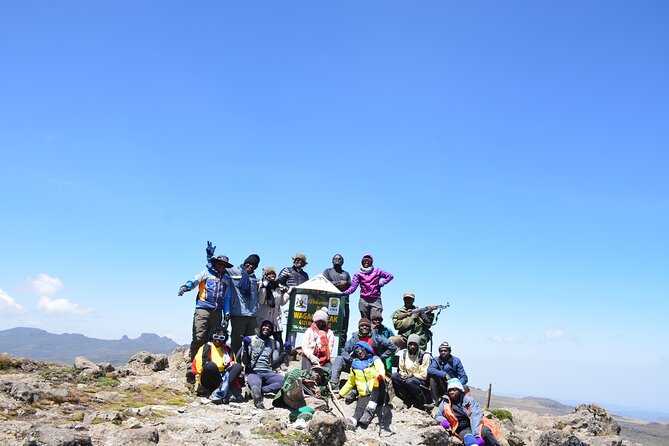
REVIEW · RWENZORI & HIGHLAND ADVENTURES
4 Days mount Elgon Trek, 4321m a.s.l
Big mountain energy, not big mountain fuss.
This 4-day trek up Mount Elgon in Uganda focuses on steady hiking, big crater-country scenery, and the chance to reach Wagagai at 4,321m from the Ugandan side. You get ranger-led organization, multi-night camps, and a route that starts steep and builds toward the summit day.
I especially like the way the route sets you up for altitude with an early camp night at Shiloko, then a second camp at Dubi (about 3,300m), before the summit push toward Wagagai. I also like that the experience leans on a real crew, rangers, guides, porters, and a cook, with food that is described as fresh and camp comfort that can include campfires under the stars.
One drawback to plan for: you need a strong physical fitness level, because Day 1 includes a steep climb and Day 3 is a serious height day. Also, it’s weather-dependent, and accommodation is not listed as included for the full trip, so you should confirm which nights are covered.
In This Review
- Key highlights worth your attention
- Mount Elgon: the less-famous volcano with real payoff
- Getting there from Entebbe: that 06:30 start matters
- Day 1: Bushiyi Gate, registrations, and the first steep climb
- Day 2: Dubi camp at 3,300m and summit prep
- Day 3: the Wagagai summit day at 4,321m
- Day 4: crater walking and Hunter’s Cave Camp at 3,600m
- The crew, camp comfort, and food you actually look forward to
- Price and logistics: is $550 good value?
- Who this trek suits best
- Small things to do before you go
- Should you book this 4-day Mount Elgon trek?
- FAQ
- What is the highest point on this trek?
- How long is the Mount Elgon trek?
- What meals are included?
- What is not included in the price?
- Where does the trek start and end?
- Is this trek refundable if plans change?
Key highlights worth your attention
- Wagagai summit at 4,321m from the Ugandan side, via a route that mixes easier flats with gentle climbs.
- Altitude pacing with camp nights at Shiloko and Dubi (around 3,300m) before the summit day.
- Ranger-guided trek setup with registration, briefing, porters, and a cook from the start.
- Crater walking and Hunter’s Cave Camp at about 3,600m, with meals included there.
- Wildlife and altitude vegetation zones, including the chance to see forest monkeys and the signature giant lobelia and groundsel plants.
Higher ground: more Rwenzori and Elgon routes
- 4 Days mount Elgon Trek, 4321m a.s.l
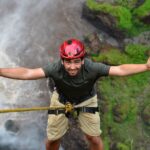
★ 5.0 · 11 reviews - 2 Days Abseiling and Rock Climbing
★ 5.0 · 8 reviews - Hot Springs Exploration and Hike Craters
★ 5.0 · 6 reviews
Mount Elgon: the less-famous volcano with real payoff
Mount Elgon is one of those places that feels under-hiked compared with the big-name routes, and that is exactly why you’ll enjoy it. This extinct volcano sits right on the Uganda-Kenya border, but the highest peak, Wagagai, lies in Uganda. That detail matters because it shapes where the best ascent starts and how your trek plays out.
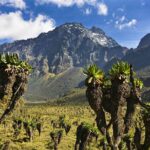
Here is what you can expect on the mountain itself. Elgon is a major watershed, so the plant zones change as you go higher. That means you’re not just walking through one kind of scenery. You can move from montane forest up into high open moorland areas, where giant lobelia and groundsel plants can show up.
And yes, it is also about views. The region is known for dramatic, wide-open outlooks that show how massive this volcano caldera really is. Add in the possibility of spotting wildlife like forest monkeys and small antelope, and you’ve got more than just a climb. Elephants and buffalo are mentioned as possible in the area too, though you should treat that as a maybe, not a promise.
Getting there from Entebbe: that 06:30 start matters
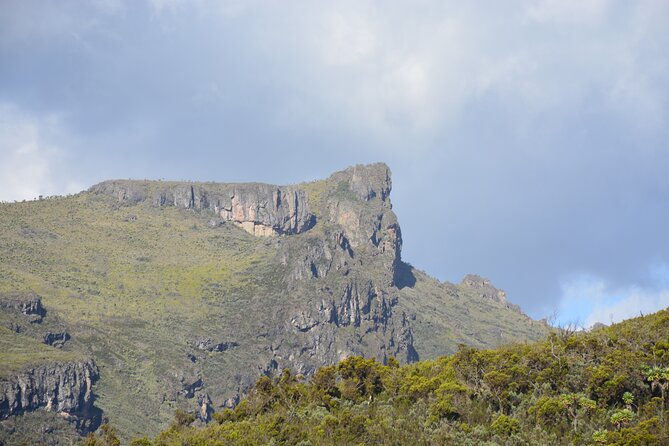
The trek runs from Entebbe Airport as the start point, with pickup offered. You leave at 06:30, then head east past Mbale toward Mount Elgon. Mbale is about 3-4 hours from Kampala on a good tarmac road, so you get a smooth chunk of travel before the hiking world takes over.
On Day 1, you also get a practical reset before the trek. After morning breakfast at Riverline Hotel, you move by boda bodas to the starting area in Bushiyi Village, then onward toward the park. The transfer covers a short community route, around 8-9 km, and brings you to the patrol office area in Bududa village for the official start steps.
Why this matters: that early departure means you should plan a night before that leaves you rested. If your sleep the night before is bad, the first steep climb will feel tougher than it needs to.
Day 1: Bushiyi Gate, registrations, and the first steep climb
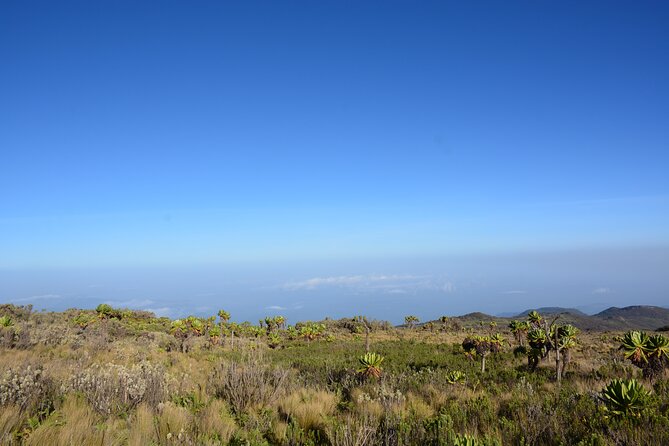
Day 1 is all about getting your bearings and warming up your legs for altitude. You arrive at Bushiyi Gate for registration, then meet the ranger guides, porters, and the cook. This is where the trek becomes more than just a walk. You get a briefing, you confirm the plan, and the crew roles become clear.
Then comes the hiking. You cover about 6 km on a steep climb to the first camp, Shiloko. After that climb, you have lunch and settle into the overnight camp with the purpose of acclimatizing.
The best way to treat Day 1 is as controlled effort. Don’t sprint up the first stretch. You want to arrive at Shiloko feeling tired but stable, with enough breath left to enjoy the evening in camp. At these elevations, your body will let you know quickly whether you went too hard too early.
Uganda on foot, more routes reviewed
Day 2: Dubi camp at 3,300m and summit prep
Day 2 starts early. After breakfast, you hike to the second camp, Dubi camp at about 3,300m. The goal here is simple, your body acclimatizes while you keep moving upward at a manageable pace.
This day feels different from Day 1. Instead of the first steep push, you shift into a pattern that feels more expedition-like. You’re setting up for the next day summit to Wagagai, so your rhythm matters. You’ll want to keep hydration and pacing steady, because Day 3 is where the real altitude work lands.
If you are the type who likes a plan, this is your day. You’re not guessing. You’re moving to the next camp with the explicit intention of preparing for the peak.
Day 3: the Wagagai summit day at 4,321m
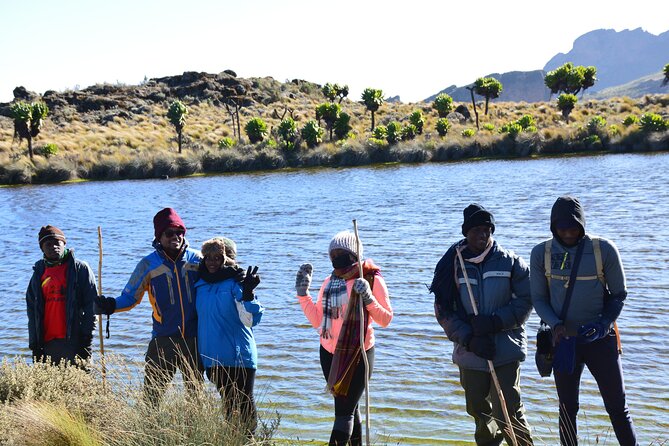
This is the day most people came for. After early morning breakfast, you hike from Dubi camp toward Wagagai peak, reaching 4,321m. The route is described as about 9 km, and it mixes flat stretches with gentle but sometimes steep sections.
That mix is important. A long, steady grind can be tiring, but a trail that alternates effort levels gives you micro-breaks for your legs and lungs. It also means you can keep your pace more consistent, which helps when altitude is doing the heavy lifting.
After you reach the summit, you go back. You’ll return either to Dubi camp or to Shiloko for the third night, depending on how you feel after the peak day. That flexibility is a small detail that can make a big difference for comfort and energy management.
Practical reality check: a summit day at 4,321m is not just about fitness. It’s also about how you handle effort when the air feels thinner. Start steady, drink when you can, and do not treat this like a race.
Day 4: crater walking and Hunter’s Cave Camp at 3,600m
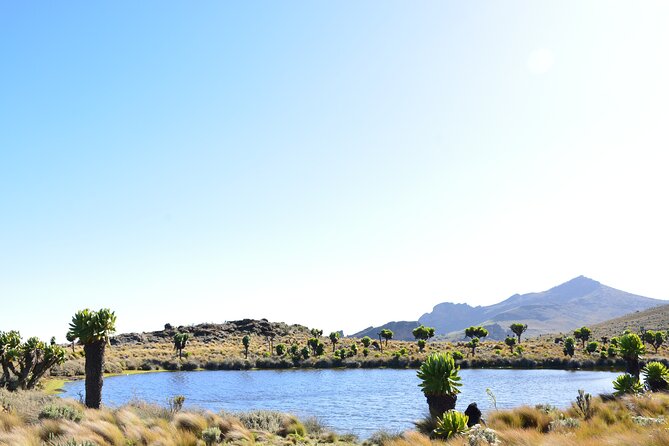
Day 4 is the payoff for the volcano shape itself. You walk across the crater area, then camp at Hunter’s Cave Camp at about 3,600m. It is a camping day, but it’s also a chance to slow down a bit compared with a peak push.
Meals are included here, including breakfast, lunch, and dinner. That means you don’t have to hunt down food after camp setup. You’re already in the rhythm of trek life.
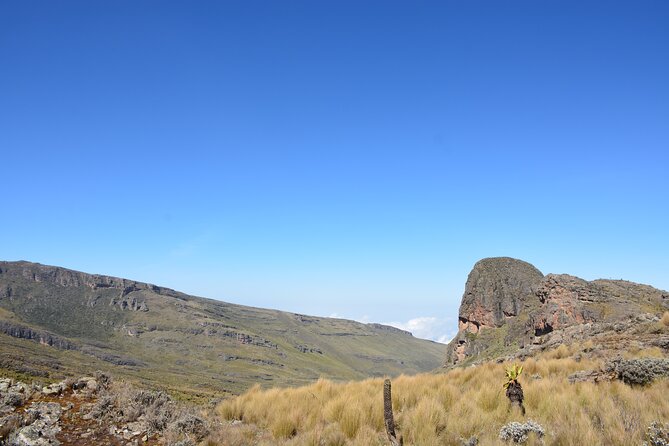
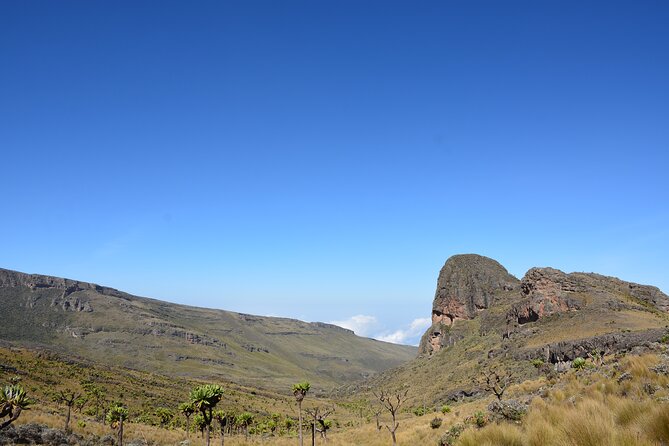
Why crater walking is worth it: the caldera of Mount Elgon is massive, and even without technical climbing, the ground changes in how it feels underfoot. You get that sense of scale that makes this mountain feel oversized and dramatic.
After the camping day, the activity ends back at the meeting point. In plain terms, you are not left dangling on the wrong side of your planning. The tour structure is built to bring you back to where you started.
The crew, camp comfort, and food you actually look forward to
This is one of the strongest parts of this trek, and it shows up repeatedly in how the experience is described. You’re not walking alone in the wilderness. You have ranger guides and porters working alongside you, plus a guide team that organizes the pace and safety steps.
Many climbs fail on the small stuff. The quality of food and the calm in camp can make or break your mood after long hours. Here, the food is described as fresh and porters create a comfortable rest camp feel. There are also mentions of campfires under the stars, which is exactly the kind of simple joy you remember later.
There’s also a human element. One guide name that comes up often in positive feedback is William, including being easy to communicate with ahead of time and offering motivational support on the trail. That kind of attitude matters when the climb gets tough and your mind starts bargaining for shortcuts.
Price and logistics: is $550 good value?
At $550 per person for a 4-day trek, this is priced in a range that makes sense for a guided, multi-day mountain experience with meals included. What helps the value here is that you are paying for more than just a path. You’re paying for a guided setup with transport from Entebbe area, plus the day-by-day expedition structure.
From the included list, you get lunch, dinner, and breakfast, along with a tour guide and local transportation. Pickup is offered, and there’s a mobile ticket.
What is not included is private transportation and accommodation. This is the point you should double-check before you lock in your own pre and post trek lodging. Even though the camping at Hunter’s Cave Camp is explicitly stated as included in the Day 4 description, the general accommodation note being marked as not included can mean that the operator only covers certain nights. Confirm which nights are covered versus which nights you handle on your own.
If you like to travel with certainty, this is your checklist item. Once you have that clarity, the rest of the deal looks strong for the time on the mountain.
Who this trek suits best
This hike is a good fit if you want a real trekking experience without technical climbing, and you’re excited about scenery, vegetation zones, and the big caldera feel. The trek is described as often neglected and undemanding in overall character, but the itinerary still includes steep sections and a high summit, so “easy” does not mean “effortless.”
You’ll be happiest here if you:
- have a strong physical fitness level
- enjoy spending full days walking and then relaxing in camp
- want a guided expedition with rangers, porters, and organized pacing
- like wildlife chances, even if you can’t control the sightings
If you are looking for luxury or plan to spend each night in a hotel, this is probably not your style. Camping is built in, and the altitude means you should expect a more physical trip than a casual day walk.
Small things to do before you go
You can’t control weather, and the experience requires good weather. That means pack for variability and be ready to shift plans if conditions are poor.
Also, because the trek starts early and includes a steep first day, I’d treat preparation like part of the trip:
- bring trekking footwear that can handle steep, uneven trail
- carry enough water and keep sipping on longer sections
- wear layers you can adjust, since your body will warm up when hiking and cool down in camp
Finally, if you have questions ahead of time, communication is clearly valued on this trek. Use that opportunity to ask what your guide expects from you on pacing, gear, and your summit day readiness.
Should you book this 4-day Mount Elgon trek?
I’d recommend booking if you want a guided multi-day climb to Wagagai, you’re physically ready for altitude, and you enjoy the real expedition feel of camp days. The route is structured with acclimatization, and the crew support seems to be a big reason people come away impressed.
I would pause and confirm details first if accommodation coverage is unclear for your full travel window, since accommodation is listed as not included generally. Also, if early starts or steep trail days are a deal-breaker for you, this one may feel tougher than you want.
FAQ
What is the highest point on this trek?
The highest point is Wagagai peak, at 4,321m above sea level.
How long is the Mount Elgon trek?
It’s scheduled for 4 days (approx.).
What meals are included?
The tour includes breakfast, lunch, and dinner as listed in the inclusions.
What is not included in the price?
The tour states private transportation and accommodation are not included.
Where does the trek start and end?
It starts at Entebbe Airport, Entebbe, Uganda and ends back at the meeting point.
Is this trek refundable if plans change?
Yes. There is free cancellation up to 24 hours in advance for a full refund. If you cancel less than 24 hours before the start time, the amount paid is not refunded.
Uganda on Foot
The Rest of the Uganda File
Uganda Above the Treeline
Other Uganda trips we have written up
- 3 Days sipi falls tours and coffee★ 5.0 · 4 reviews
- Coffee Tour Experience★ 5.0 · 5 reviews
- 7 Days Fort Portal Culture Tour Western Uganda★ 5.0 · 6 reviews
- Hot Springs Exploration and Hike Craters★ 5.0 · 6 reviews
- Uganda Jungle Rafting★ 5.0 · 8 reviews
Rwenzori & Highland Adventures, compared.
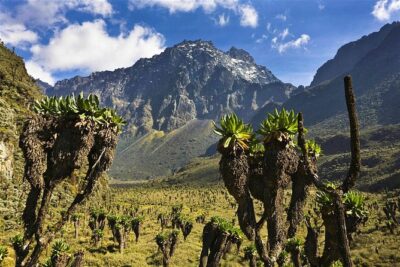 ★ 5.07 Days Rwenzori Summit (Margherita Peak) HikeFrom $1,43517 reviews
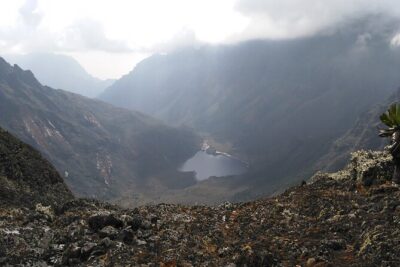 ★ 5.0Rwenzori Mountains Trekking with Margherita Peak SummitFrom $1,40013 reviews
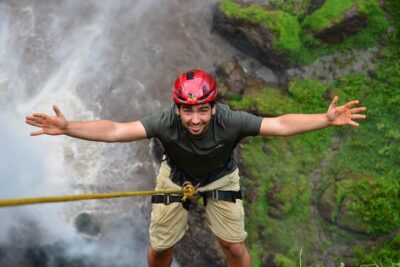 ★ 5.02 Days Abseiling and Rock ClimbingFrom $1008 reviews
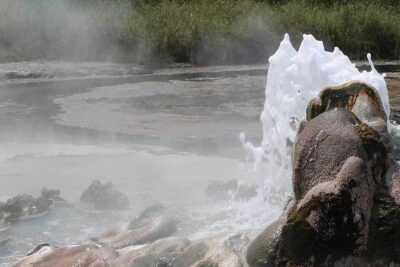 ★ 5.0Hot Springs Exploration and Hike CratersFrom $2566 reviews
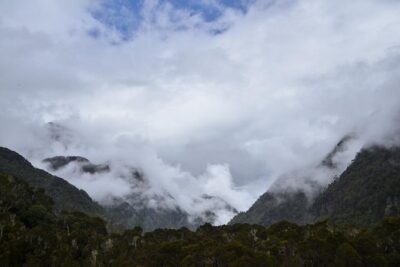 ★ 4.5Mountain Rwenzori Trekking Uganda 9 Day SafariFrom $2,3903 reviews
Browse the lists this tour appears in