
REVIEW · TOURS
African Fabric Market Tour
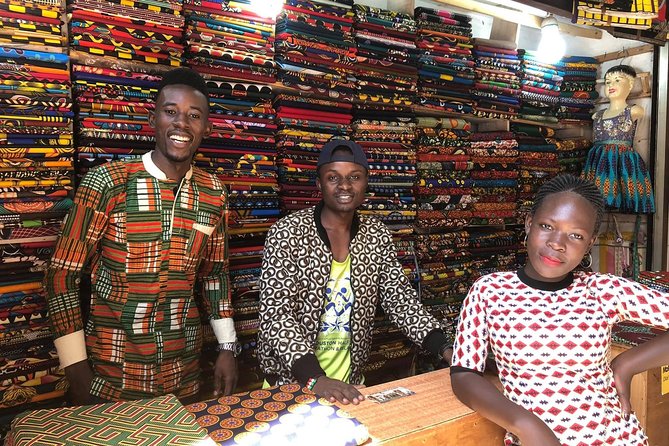
Kampala turns fabric shopping into designer time. This African fabric market tour with Yimba Fashions is a simple idea with big payoffs: you start at major downtown spots, get guided help choosing Kitenge fabric, then sit down with a designer to shape your custom outfit. I like that it is practical and hands-on, and I especially appreciate having fashion designers in the mix instead of just wandering markets alone. One thing to consider, though, is that private transportation is not included, so you will handle getting yourself to the meeting point.
My other big win is the human side of the experience. You get help navigating the busy fabric scene, and you also learn how to think like a tailor about what to buy and what to ask for. In the same spirit, guides and designers like Veronica and Anne Marie are noted for being friendly and for helping you find what you actually need, even if you want a style you can wear in more formal settings back home.
In This Review
- Key highlights you will feel right away
- Kitenge, markets, and custom tailoring for $13 in Kampala
- Kampala Old Taxi Park: a fast intro to local transport chaos
- Owino Market and Kitenge fabric choices: how to shop with a plan
- From cloth to a custom outfit with Yimba Fashions
- What to expect during the tour, stop by stop
- Start at Standard Supermarket (Mega Aponye Branch)
- Quick transport view at Old Taxi Park
- Fabric selection at Owino Market
- Designer time after you select fabric
- Practical tips so your fabric choice actually works
- Who should book this tour (and who might skip it)
- Should you book this African Fabric Market Tour in Kampala?
- FAQ
- How much does the African Fabric Market Tour cost?
- How long is the tour?
- Where does the tour start and end?
- What is included in the price?
- Is private transportation included?
- Is this a private tour?
- What kind of ticket do I get?
- What if weather is bad?
- What is the cancellation policy?
Key highlights you will feel right away
- Downtown orientation first, with a quick look from Kampala Old Taxi Park before you shop
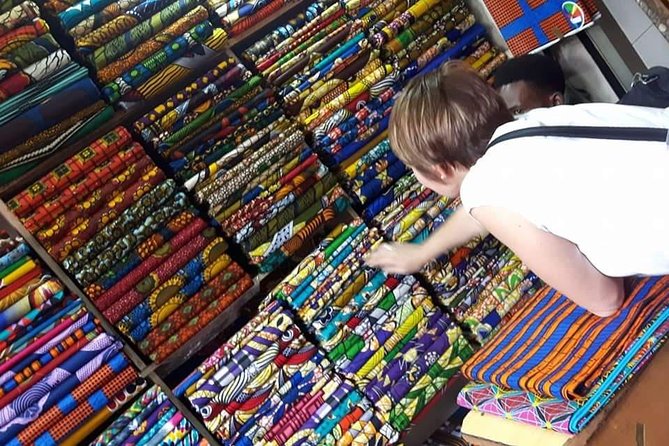
- Guided Kitenge shopping so you do not get swallowed by the crowd and choices
- Expert help on local pricing, which makes your fabric hunt feel fair and focused
- A custom-outfit step after you buy fabric, with a designer sitting down with you
- A strong social mission, since 100% of profits go to youth training and empowerment
- Mobile ticket and a short time commitment, about 1 to 2 hours in total
Still weighing up the options? These Uganda trips came out well when we reviewed them.
- 3 Hours Guided Cycling Tour Across Lake Victoria
★ 5.0 · 151 reviews - Kampala’s Best Experience walking tour
★ 5.0 · 137 reviews - 3 Days gorilla trekking Safari tour in Uganda
★ 5.0 · 121 reviews - Lake Victoria Island Cycling Tour from Kampala
★ 5.0 · 120 reviews
Kitenge, markets, and custom tailoring for $13 in Kampala
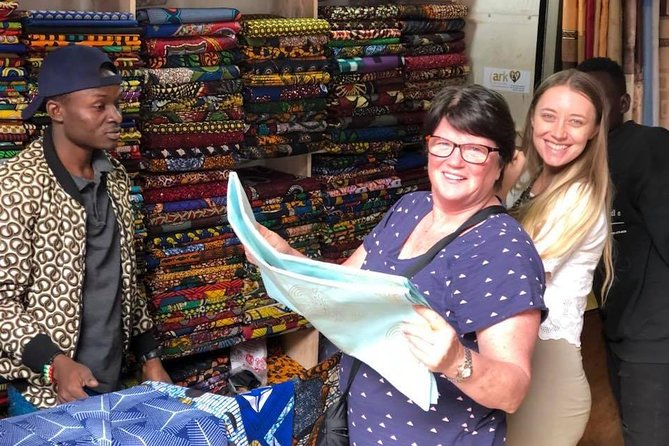
At $13 per person, this is the kind of tour that feels built for real travelers, not just Instagram time. You are paying for two things that are hard to DIY in Kampala downtown: access and direction. You get someone who knows how to move through the fabric market maze, plus tailoring expertise once you have your cloth.
It also helps that the tour is designed to stay light on your schedule. You are looking at about 1 to 2 hours total, which means it can fit into a day that already includes other Kampala stops. And since it is a private tour/activity (only your group participates), you are less likely to feel rushed or lost when you start asking questions about fabric and design.
Most importantly, the value is not only what you get for yourself. Yimba Fashions routes 100% of profits into training and empowering more youth, so your money is supporting jobs, skills, and the next generation of designers. That matters in a very practical way, because it changes how the experience feels: you are not just buying a souvenir fabric. You are helping build tailoring capacity.
Kampala Old Taxi Park: a fast intro to local transport chaos
The first stop is Kampala Old Taxi Park, and it is only about 10 minutes, with admission listed as free. Still, I think that short time is a smart move. From the start, you get a birds-eye view of Kampala public transport, and you can wrap your mind around what downtown feels like on a normal day.
Why this matters: when you later go into fabric markets, you will understand why things can look chaotic from the street. It is not disorder for disorder’s sake. It is just how Kampala moves. Having this quick orientation first helps you pace yourself. You will also be better at spotting what is safe to approach and where crowds are densest.
A small drawback: because it is a short view-and-overview stop, it is not a deep dive into transport history. It is really there to help you get your bearings fast so you can shop with less stress.
Owino Market and Kitenge fabric choices: how to shop with a plan
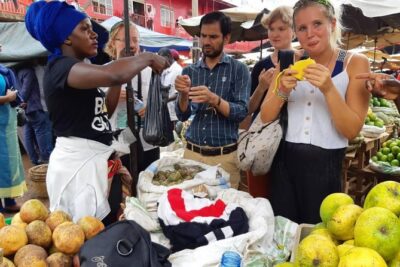
Your main shopping time is at Owino Market in Kampala, where you focus on Kitenge. You spend about 40 minutes here, and admission is listed as free. This is the part where the tour becomes useful, not just colorful.
The market offers a huge array of choices, and Kitenge can be overwhelming if you do not know what you are looking for. With the help of the Yimba team, you can treat the market like a selection stage for your outfit, instead of a random browse. That is where the friendly guidance earns its keep.
From what you can expect in practice, you will likely:
- Compare fabrics and decide what suits your final design idea
- Ask questions about what will work for your custom clothing plans
- Use the local pricing help so you are not stuck negotiating from scratch
One thing I especially like in the reviews you can learn from is how this tour helps you find direction even if you are not planning an all-bold print look. The goal is custom tailoring, so you can aim for something that uses Kitenge creatively while still fitting your real wardrobe back home. That is why you will hear people mention using the fabric for options they can wear for work and day-to-day life, not only for special events.
And yes, the market can feel like a maze. That is normal. The tour advantage is that you are not doing it alone.
From cloth to a custom outfit with Yimba Fashions
Buying fabric is only half the story. What makes this tour feel different from a standard market walk is what comes after: once you have your Kitenge, you sit down with a Yimba designer and create a custom outfit.
The tour description frames it with flexibility, whether you are thinking about a dress, a suit, or something more unique. The key practical takeaway for you is that you are not just collecting fabric for later. The idea is to connect fabric choice to a real garment design conversation, right there in the process.
Why this step is valuable:
- You reduce guesswork. Fabric you like in a shop does not always work the way you imagine in a finished outfit.
- You can clarify your style goals early, instead of regretting the selection later.
- You get a reality check on what makes sense for your garment plan based on what is available.
This is also where the social mission becomes more than a tagline. Because profits support youth training and empowerment, your tailor conversation is part of building real skills and careers.
If you are someone who likes to bring back a meaningful item, this is one of the better ways to do it. It is not just a fabric purchase. It is a custom product shaped by a local designer workflow.
What to expect during the tour, stop by stop
Here is the flow in plain terms, and what I think you should watch for.
Start at Standard Supermarket (Mega Aponye Branch)
You meet at Standard Supermarket, Mega Aponye Branch, on Burton St, Kampala. The activity ends back at the same meeting point, which keeps things simple if you are planning other stops after.
This also ties into the main consideration I mentioned earlier: private transportation is not included. That does not mean you are stranded. The tour is listed as near public transportation, so you will just need to plan your own route to and from Burton St.
Quick transport view at Old Taxi Park
Stop 1 is a short 10-minute orientation. Admission is free. You are mostly there to understand how downtown runs, so you are not mentally surprised when the market gets loud and busy.
Fabric selection at Owino Market
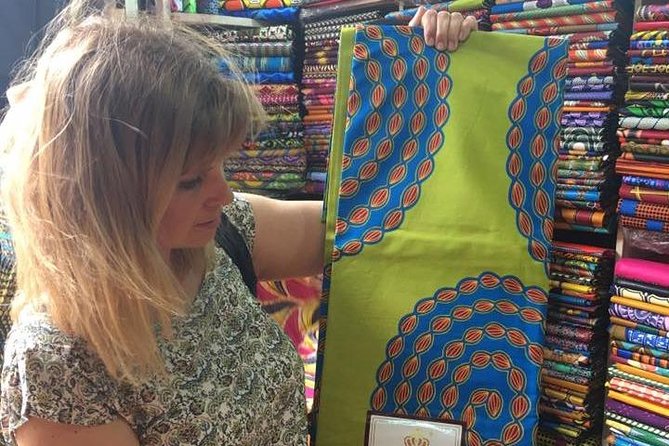
Stop 2 takes about 40 minutes. This is where you pick the Kitenge fabrics for your custom orders. The guided part is the difference between browsing and buying with intent.
Designer time after you select fabric
After you have your cloth, you sit down with a Yimba designer to shape your custom outfit. The tour description emphasizes this as a tailored, hands-on process, and the reviews back up the idea that the guidance is friendly and practical.
Practical tips so your fabric choice actually works
You do not need to be a fashion expert to enjoy this. But you do need a little structure, or else the market’s options can blur together.
Here are smart, low-effort ways to set yourself up:
- Decide on a style direction before you start. Even a simple plan like casual work wear versus a sharper formal look helps you pick fabric faster.
- Think about how you will wear the finished outfit at home. One review highlights people using the custom process to create something they can wear casually to work in Australia. If that is your goal, tell the designer plainly.
- Be ready for the market pace. It is a packed downtown shopping environment. Going with the plan, and letting the designers guide you, keeps it fun instead of stressful.
- Ask questions on fabric fit for your garment goal. You will get tailoring support after you select your cloth, so treat fabric selection as part one of a garment plan.
- Have water covered. Bottled water is included, so you can stay focused even when the market feels long.
If you plan to buy a lot and you are returning the same day, also keep your hands free. A small tote or simple bag makes a big difference when you are moving between stands.
Who should book this tour (and who might skip it)
This experience fits best if you like hands-on shopping and you want a real connection to local craft.
Book it if:
- You want to understand Kitenge beyond surface-level shopping
- You are interested in custom clothing, even if you want something that works for everyday wear back home
- You value tours that support youth training, not just tourism photos
You might skip it if:
- You want a long, slow market experience with lots of sightseeing time. This tour is short on purpose.
- You hate negotiating in general. The tour includes guidance on local prices, but you still need a mindset ready for market shopping.
- You are relying on the tour to provide transport. It does not.
Should you book this African Fabric Market Tour in Kampala?
I would book it if you want a compact, high-value Kampala experience that mixes market reality with tailoring direction. The $13 price makes it accessible, and the structure is what makes it work: quick orientation, focused fabric selection, then designer time for your custom outfit plan.
The two reasons to feel confident are straightforward. First, you are guided through a crowded market environment so you do not lose your bearings. Second, the social mission is clear, with 100% of profits supporting youth training and empowerment.
The only real hesitation is logistics, since private transportation is not included, and you need good weather for the experience to run. If you are already comfortable navigating Kampala on your own and you can keep it flexible with weather, this is a smart and meaningful way to spend a couple of hours.
FAQ
How much does the African Fabric Market Tour cost?
It costs $13.00 per person.
How long is the tour?
The tour lasts 1 to 2 hours (approx.).
Where does the tour start and end?
It starts at Standard Supermarket (Mega Aponye Branch), Burton St, Kampala, Uganda, and it ends back at the same meeting point.
What is included in the price?
The tour includes bottled water and gratuities.
Is private transportation included?
No. Private transportation is not included, though the activity is listed as near public transportation.
Is this a private tour?
Yes. Only your group will participate.
What kind of ticket do I get?
You receive a mobile ticket.
What if weather is bad?
This experience requires good weather. If it is canceled due to poor weather, you will be offered a different date or a full refund.
What is the cancellation policy?
You can cancel for free up to 24 hours in advance of the experience start time for a full refund. If you cancel less than 24 hours before, the amount paid will not be refunded.
Other Uganda Trips


The Rest of the Uganda File
Other Uganda trips we have written up
- 7-Day Uganda Adventure Safari – Midrange Lodges★ 5.0 · 3 reviews
- 5 days gorillas and chimpanzee tracking★ 4.5 · 3 reviews
- A Thrilling 1-Day Rhino Tracking Tour in Uganda★ 5.0 · 3 reviews
- 3 Days Murchison Falls Wildlife Safari★ 4.5 · 3 reviews
- 10 Day Gorilla Chimps and Big 5 Safari★ 5.0 · 3 reviews
Tours, compared.
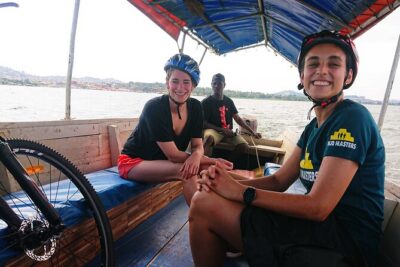 ★ 5.03 Hours Guided Cycling Tour Across Lake VictoriaFrom $60151 reviews
 ★ 5.0Kampala’s Best Experience walking tourFrom $33137 reviews
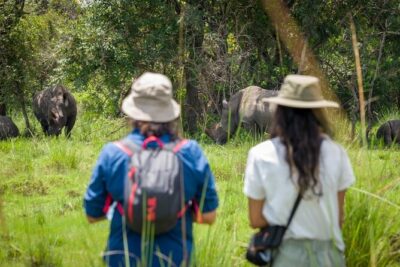 ★ 5.03 Days gorilla trekking Safari tour in UgandaFrom $2,600121 reviews
 ★ 5.0Lake Victoria Island Cycling Tour from KampalaFrom $62120 reviews
 ★ 5.0Kampala Walking City Tours (Women Guided)From $34115 reviews
 ★ 5.0Kampala Walking Tour (3 Hours) with Optional Gaddafi Mosque VisitFrom $32112 reviews
 ★ 5.03 Days Murchison Falls Adventure Wildlife Safari Uganda TourFrom $1,30061 reviews
 ★ 4.7City Guided walking sightseeing TourFrom $2252 reviews