
REVIEW · GORILLA TREKKING SAFARIS
From Kigali: 2-Day Gorilla Trek: Bwindi Nat Park
Gorillas in the mist, then back to Kigali. This 2-day trip is a rare combo of Rwanda-to-Uganda travel and a guided mountain gorilla trek with real coaching on how to track them. I love that the experience is built around the rules that protect the gorillas, so your time feels special, not rushed.
Two things I really like: first, the guides. On past departures, I saw names like Jeff, Hassan, and Zidane show up for guests, and the common thread is clear communication and a steady, calm presence. Second, the Uganda lodge side usually matches the expectation, with good service and meals so you are not scrambling after a long trek.
One drawback to plan around: the trek is physical and unpredictable. You can hike 2 to 4 hours through steep, brushy terrain at high altitude, and in rare cases the gorillas may move fast or be less cooperative, cutting the observation time short.
In This Review
- Key Highlights You Should Care About
- Kigali to Gorilla Trek in 2 Days, What Makes It Different
- Day 1 From Kigali to Mgahinga or Bwindi, And Why Lodging Location Matters
- Day 2 Starts Early, Then the Park Headquarters Routine
- The Gorilla Trek Itself, 7,000 to 9,000 Feet of Real Work
- What Happens During Your 1-Hour Gorilla Encounter
- What to Pack for This Trek, Based on How It Actually Feels
- Transport and Comfort, Safari Cruiser Plus Lodge Full Board
- Guides, Border Help, and the Small Things That Save Your Day
- Price and Permit Math, What You Are Really Paying For
- Logistics Reality Check, Timing and Wildlife Uncertainty
- Who Should Book This 2-Day Gorilla Trek, and Who Should Skip It
- Should You Book the Kigali to Bwindi or Mgahinga Gorilla Trek?
- FAQ
- Is the tour going to Bwindi or Mgahinga?
- How long will I spend with the gorillas once I find them?
- How strenuous is the trekking day?
- Are gorilla trekking permits included in the price?
- What should I bring for the trek?
- What does the price include besides the trek?
- Is this tour private, and is it suitable for kids?
Key Highlights You Should Care About
- Pick Mgahinga or Bwindi based on permits, and either way you get real gorilla tracking coaching
- One hour with the family once you find them, with strict distance limits for gorilla safety
- Safari Land Cruiser transport with a pop-up roof, handy for photos on the drive
- Border assistance and an English-speaking driver/guide, so the logistics feel manageable
- A strenuous trek with real jungle details like nettles, ants, and humid heat at elevation
- Value depends on the permit since gorilla trekking permits are not included in the base price
Other gorilla permits and trek operators we have been through
- From Kigali: 1-Day Gorilla Trekking in Uganda
★ 4.9 · 24 reviews - 1 Day Gorilla Tour in Bwindi from Kigali
★ 4.9 · 11 reviews - From Kigali: 2-Day Gorilla Trek: Bwindi Nat Park
★ 4.1 · 9 reviews - 3-Day Gorilla Experience In Uganda
★ 4.5 · 4 reviews
Kigali to Gorilla Trek in 2 Days, What Makes It Different
This tour is built for people who want the gorillas without turning the trip into a week-long production. You leave Kigali in the morning, cross into Uganda for the trek day, and then head back to Kigali after your gorilla hour and lunch.
The big “why” here is focus. The itinerary is short, but it is not shallow. Day 1 is about getting you into position near the park gate area and setting you up for an early start. Day 2 is the main event, with a guide-led trek, park formalities, and a controlled, protective viewing window.
And you get something extra besides the gorillas: a cultural tour is included. Details depend on the day and your route, but the purpose is consistent, you get context instead of only vehicles and walking.
Day 1 From Kigali to Mgahinga or Bwindi, And Why Lodging Location Matters
On Day 1, you typically depart Kigali around 9:00 am and drive northwest for about 3 hours. There is a brief customs stop at the border, and then you continue on to Uganda.
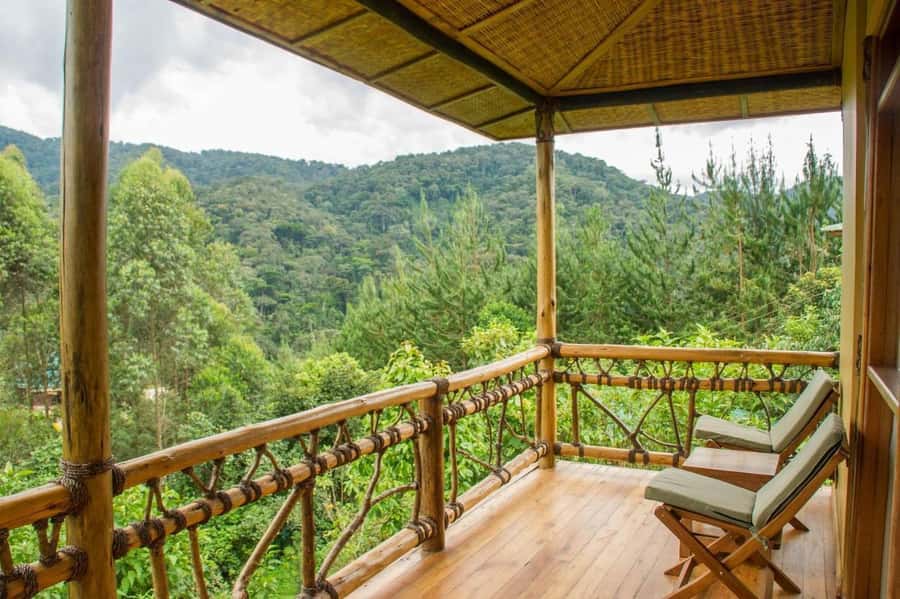
Your lodge is chosen based on which area you are permitted for that day. If you are going to Mgahinga National Park or the Bwindi gorilla zone, the lodge is likely only minutes from the main gate area. That matters more than it sounds. When you are doing an early trek the next morning, staying close reduces the stress, keeps timing realistic, and helps you start fresh.
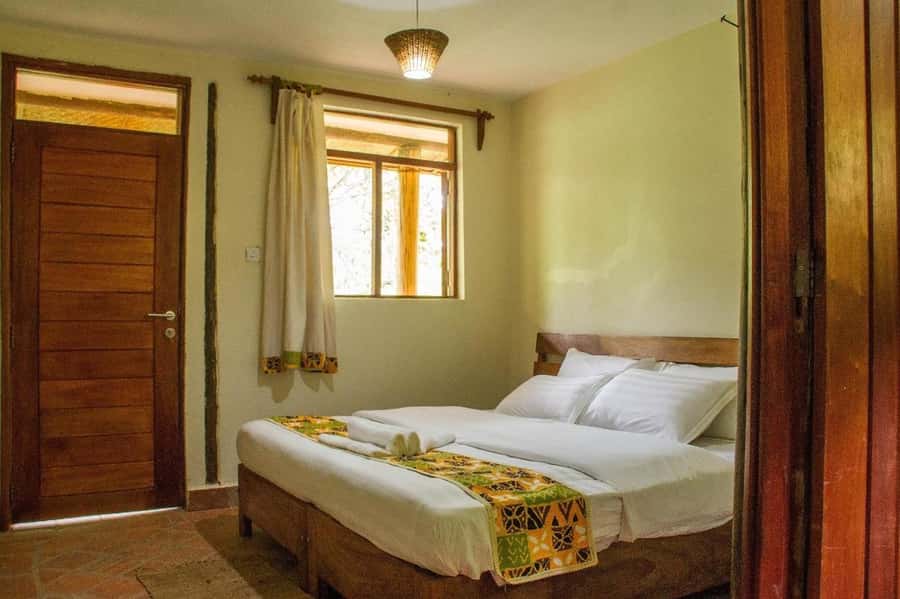
Once you arrive, you settle in before dinner. Lodges in this region commonly include a restaurant and bar, and you should expect private rooms with a shower and a full-board setup. It is a simple rhythm, get in, get fed, and get sleep.
If you have a sensitive schedule, I suggest you still plan some buffer. One guest experience included timing confusion on the first day, which pushed the day later than expected. The lesson is not to panic, it is to keep your expectations flexible and double-check pickup timing when you confirm.
Day 2 Starts Early, Then the Park Headquarters Routine
Breakfast is served buffet-style starting around 6:00 am. Then you head to the park headquarters area at roughly 7:30 am for formalities and meet-up with your guides for the day.
This part is not “just paperwork.” It sets the tracking process in motion. You will confirm details, get briefed on how the trek will work, and then the real tracking begins with your guide leading the pace and direction based on the gorilla location.
After the park formalities, you go out to track. The whole experience runs on a strict idea: gorillas come first, so the human contact is controlled and limited.
One more practical note: you are on the clock for trekking conditions. If you show obvious signs of illness, park authorities may refuse entry. It is one of those rules that sounds harsh, but it protects both the animals and your fellow group.
The Gorilla Trek Itself, 7,000 to 9,000 Feet of Real Work
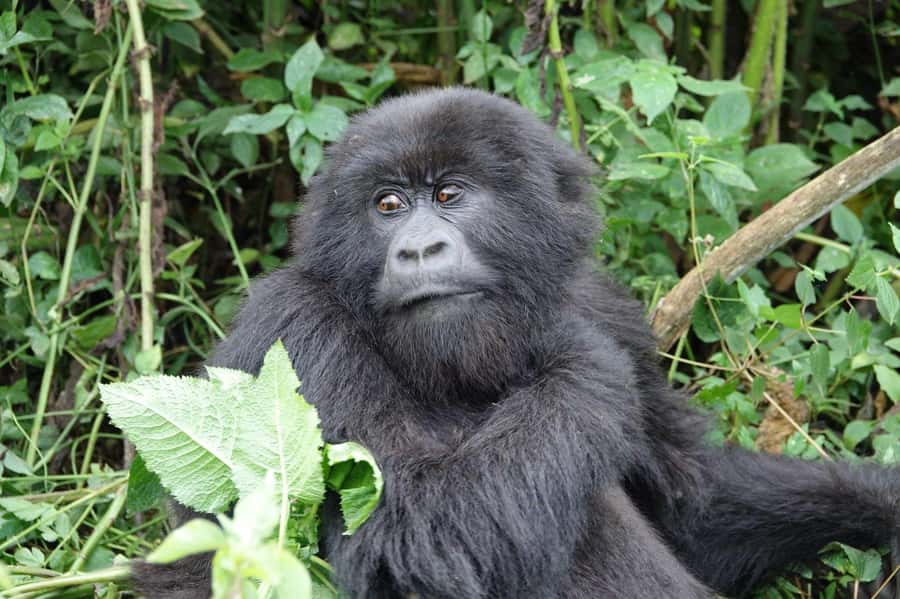
Once tracking starts, expect thick brush, steep and rugged ground, and a slower pace than city hiking. Typical trekking time is around 2 to 4 hours of walking, sometimes longer, depending on where the family is that day.
Altitude matters. You will be around 7,000 to 9,000 feet, which can feel like a big deal if you are not used to hiking up high. It does not have to ruin your day, but it does mean you should plan on breathing steadily and taking the trek seriously.
Nature is part of the challenge. You may run into stinging nettles and ants, and it can get humid. This is why the tour briefing and guide guidance are so important.
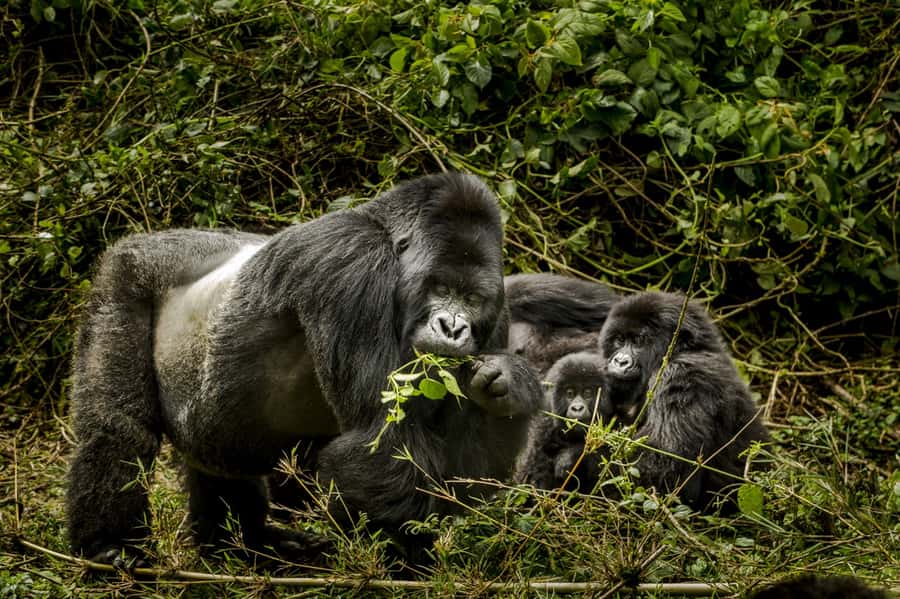
You will be allowed one hour with the gorillas once you find them. That hour can end earlier if the gorillas become agitated and retreat into the bush. Think of it as a privilege, not a guarantee.
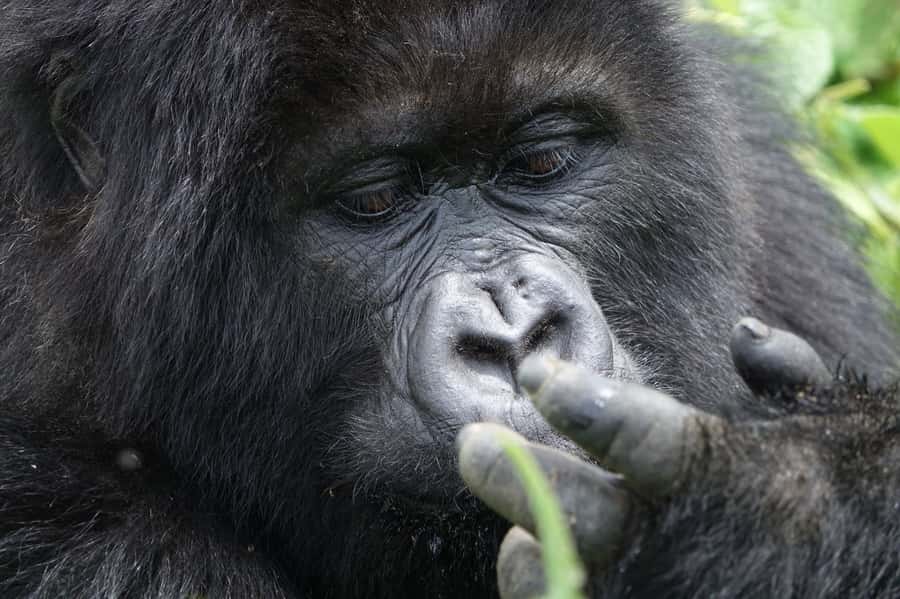
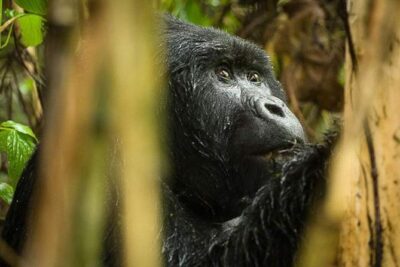
Observation style is also different from watching animals at a zoo. You are close enough to feel the silence and stillness. You are supposed to be quiet and careful, because any overexposure to humans is harmful to mountain gorillas.
What Happens During Your 1-Hour Gorilla Encounter
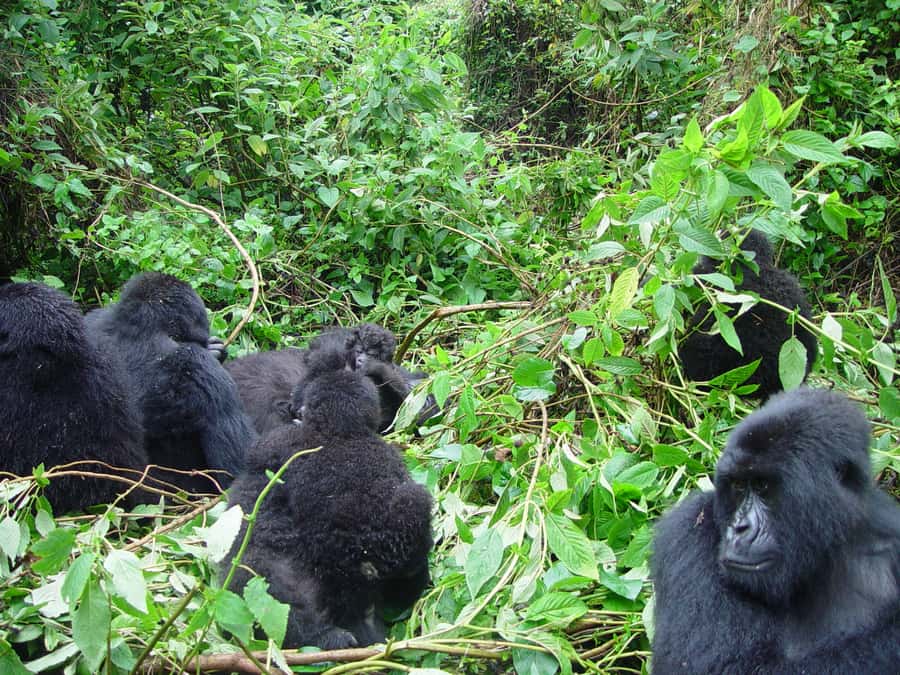
When you spot the gorillas, the moment usually feels unreal. You are typically within meters of the family and get time to watch them behave naturally.
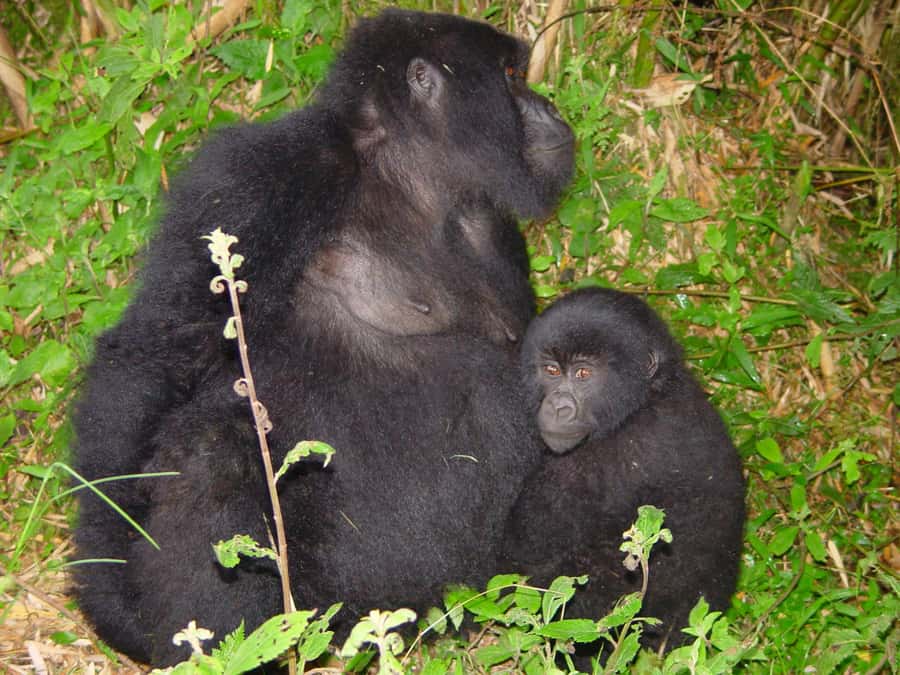
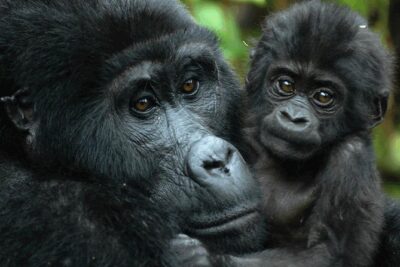
During that hour, you might see the family doing anything from feeding to grooming to settling down. One guest highlight included seeing a young gorilla close up, another noted that the gorillas slept through a lot of the observation window. That is the reality of wildlife tracking. Sometimes they are active, sometimes they are not.
Either way, the core value is proximity plus context. Your guide helps you interpret what you are seeing, and the rules keep it safe and respectful.
Also, keep your expectations grounded about the length. The trek and the tracking can vary based on terrain and the gorillas’ movement. That is why the day is designed as a whole, not just a single hour you can “count on” like a museum ticket.
What to Pack for This Trek, Based on How It Actually Feels
If you take nothing else from this guide, take this: pack for contact with plants, not just for walking.
Here is what you should bring, because it is directly tied to the conditions in the park:
- Good hiking boots with grip for steep, muddy ground
- Long trousers to reduce scratch risk
- Gloves for protection against stinging nettles
- Snacks and some sweets for you, not for the gorillas
- Sufficient water, because the forest can get hot and humid
If you forget these, you still can trek, but you will not enjoy it. And comfort matters because your enjoyment of gorilla time depends on finishing the hike without feeling wiped out.
The tour also includes a complementary walking stick, which can help on uneven ground. Still, boots and clothing do most of the work.
Transport and Comfort, Safari Cruiser Plus Lodge Full Board
You travel in a Safari Land cruiser with a pop-up roof. That is useful for two reasons: better sightlines on drives and easier photography from inside the vehicle. Even though this trip is primarily about gorillas rather than classic game viewing, the vehicle style makes the ride more comfortable and keeps views open.
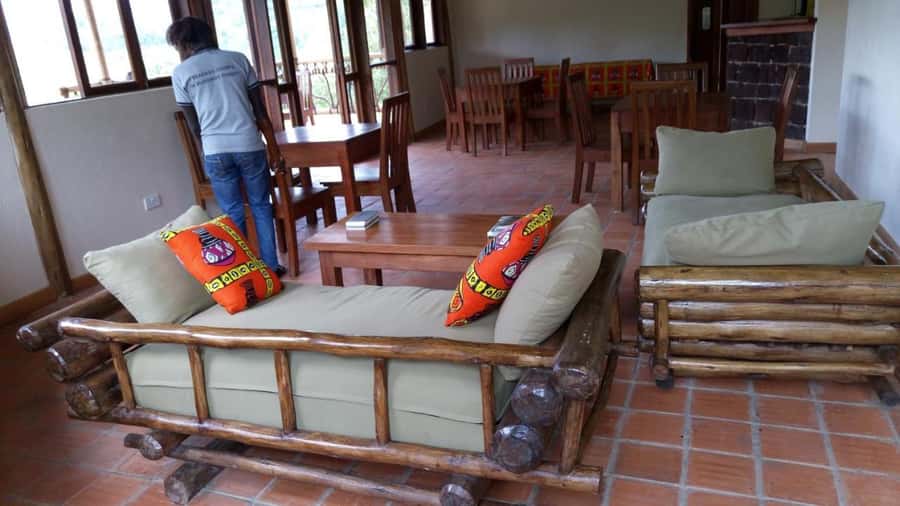
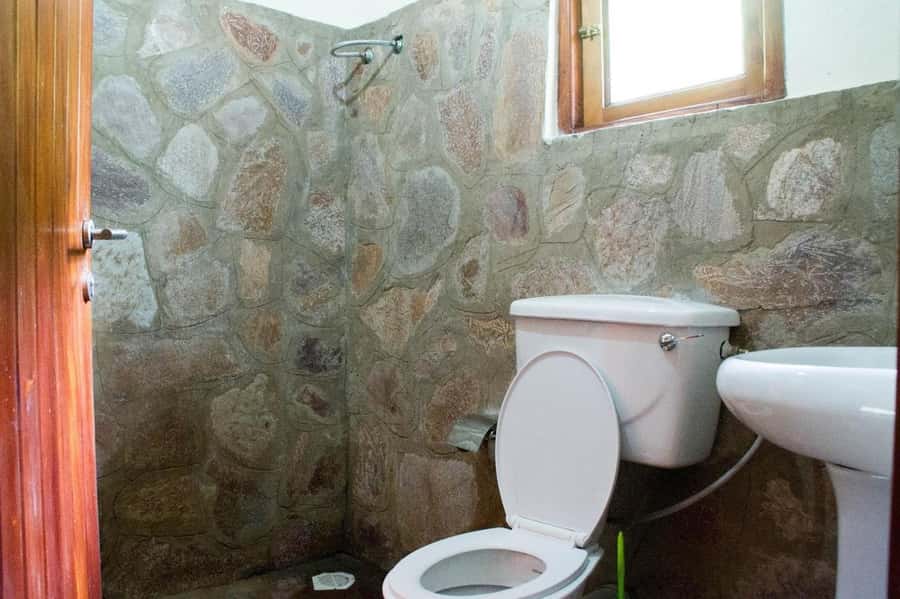
On the lodging side, the goal is recovery. You have full-board accommodation, usually with a restaurant and bar. Rooms include a private bath with a shower. That is not luxury camping, it is practical comfort so you can eat well and sleep after the trek.
The “value” part is simple: if the lodge meals are solid and the rooms are clean and private, you actually enjoy the whole schedule. A couple of experiences tied strong praise to the accommodation quality and the quality of meals, which is a big deal for a 2-day format.
Guides, Border Help, and the Small Things That Save Your Day
This is one of those tours where the guide makes or breaks the experience, and it seems that the operator leans hard into that.
You get an English-speaking driver/guide and all guiding fees are included. Border assistance is also included, which reduces the hassle of crossing into Uganda.
I also like that the trip is structured as a private group. That can make a difference on a tough trek day. One practical lesson from experience: the trekking pace often follows the slowest person in the group. If you have a flight to catch in Kigali, it helps to tell your driver and guide early, because sometimes the return pacing can be adjusted.
And since you are crossing countries quickly, the pickup is handled with care. The driver meets you holding a sign with your last name.
Price and Permit Math, What You Are Really Paying For
The tour price is $560 per person for 2 days. That covers transport, accommodation on full board, guiding fees, airport transfers, cultural tour, and border assistance.
But the biggest line item is the gorilla trekking permit, which is not included at $800 per permit. That means your real all-in cost is closer to $1,360 per person before visas and international flights.
Is it worth it? For the right people, yes, because you are paying for:
- A guided trek with park process handled
- Logistics that fit into a tight 2-day plan
- A lodge setup near the gate area
- A controlled gorilla viewing experience focused on safety
The key is to budget early and do the math honestly. If you only look at the $560 figure, you will be surprised later. If you plan for the permit cost, the rest feels like fair support around the central experience.
Logistics Reality Check, Timing and Wildlife Uncertainty
Even with good organization, two realities affect your day.
First, the trek has physical uncertainty. Terrain can slow you down, and tracking can vary based on where the gorillas are and how they move.
Second, gorilla viewing has behavior uncertainty. Your hour starts when you find them, and you get it within strict contact limits. If the family retreats or becomes agitated, the experience may end early.
One guest described a first-day schedule delay and a long stretch without meals. That is not the norm you should plan on, but it is a reminder: bring snacks for yourself even if meals are included, and keep your schedule flexible if you have travel connections.
The upside is that the core experience itself often lands extremely well. When the guide team and timing go right, this trip delivers the kind of wildlife moment you remember for years.
Who Should Book This 2-Day Gorilla Trek, and Who Should Skip It
This tour fits best if you:
- Want a short, focused gorilla trip instead of a multi-day base-camp safari
- Are comfortable hiking steep terrain for several hours at altitude
- Prefer private, English-speaking guidance and clear park process
- Are ready for the rules around gorilla safety and limited viewing time
It might not be right if you:
- Are traveling with children under 15, since it is not suitable for that age group
- Have mobility limits that make steep rugged walking difficult
- Want a predictable walk length and guaranteed gorilla activity level (wildlife is wildlife)
Also, note the rules: no drones, and no alcohol or drugs.
Should You Book the Kigali to Bwindi or Mgahinga Gorilla Trek?
If you can handle a steep trek and you are budgeting for the $800 gorilla permit, I think this is a smart way to do gorillas in a tight time window. The value comes from the support around the trek, especially transport, lodge full board, and guides who know how to run the experience with park rules in mind.
I would book if you want the emotional payoff of seeing mountain gorillas close up, with the confidence that logistics like border help and park formalities are handled. I would pass or choose a different plan if you are not comfortable with high-altitude walking or you have rigid travel timing with no buffer.
If you want, tell me your travel month and your fitness level. I can suggest how to prepare and what to emphasize when you confirm your park (Bwindi vs Mgahinga).
FAQ
Is the tour going to Bwindi or Mgahinga?
It depends on your permit allocation. You will visit either the Mgahinga or Bwindi gorilla area for the trek.
How long will I spend with the gorillas once I find them?
Once you spot the gorillas, you are allowed to spend up to one hour watching them.
How strenuous is the trekking day?
Expect 2 to 4 hours of walking through thick brush over steep, rugged terrain at elevations around 7,000 to 9,000 feet. It can include exposure to stinging nettles and ants.
Are gorilla trekking permits included in the price?
No. Gorilla trekking permits cost $800 per permit and are not included.
What should I bring for the trek?
You should bring good hiking boots, long trousers, gloves, some snacks and sweets for yourself, and enough water. It can get hot and humid.
What does the price include besides the trek?
The price includes airport transfers, accommodation on full board, transport in a safari Land cruiser with a pop-up roof, cultural tour, border assistance, complementary walking stick, and all guiding fees.
Is this tour private, and is it suitable for kids?
It is a private group. It is not suitable for children under 15 years old.
The Rest of the Uganda File
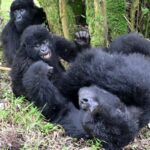
Still Set on Bwindi?
Gorilla Treks, Three More Ways
Other Uganda trips we have written up
- 3-Day Gorilla Experience In Uganda★ 4.5 · 4 reviews
- From Kigali: 2-Day Gorilla Trek: Bwindi Nat Park★ 4.1 · 9 reviews
- 1 Day Gorilla Tour in Bwindi from Kigali★ 4.9 · 11 reviews
- From Kigali: 1-Day Gorilla Trekking in Uganda★ 4.9 · 24 reviews
Gorilla Trekking Safaris, compared.
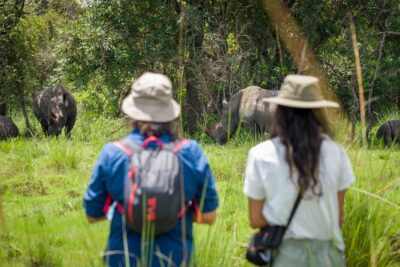 ★ 5.03 Days gorilla trekking Safari tour in UgandaFrom $2,600121 reviews
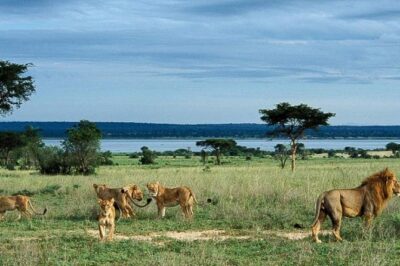 ★ 5.08-Day Murchison Falls, Chimp and Epic Gorilla Trekking SafariFrom $3,59872 reviews
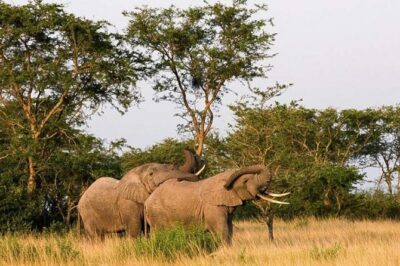 ★ 5.05-Day Pearl of Africa Chimps and Gorilla Trekking SafariFrom $2,17152 reviews
 ★ 5.03-Day Tour to Uganda – Gorilla Trekking Bwindi ForestFrom $1,11051 reviews
 ★ 5.0Gorilla Tracking & Batwa Culture ExperienceFrom $2,84040 reviews
 ★ 5.04-Day Uganda Gorilla Trekking and Wildlife SafariFrom $2,45037 reviews
 ★ 5.0Private 3 Day Gorilla Trekking Safari in UgandaFrom $3,32636 reviews
 ★ 5.08-Day Murchison Falls, Chimp and Epic Gorilla TrekkingFrom $12,00032 reviews
Browse the lists this tour appears in