
REVIEW · CHIMPANZEE TREKKING
Experience Chimpanzee Trekking in Budongo Forest
Budongo Forest can put you face to face with chimp life. This private trek in Uganda’s reserve area pairs a park ranger briefing with guided trail walking, so you spend your time where the action is. I like that the day includes more than chimps, you also track other primates and keep an eye out for forest plants along the way.
The other thing I really value is the way the chimp time is structured: a real trek, then a full hour to watch chimp behavior up close and take photos. The one thing to consider is that this is weather dependent, and tracking timing can shift depending on chimp permits and what’s available for morning or evening.
In This Review
- Key highlights at a glance
- Budongo Forest Chimpanzees: Why This Masindi Area Works
- Half-Day vs Full-Day: Habituation Changes What You Get
- Royal Mile Budongo Forest: How Your Ranger Sets the Tone
- The Trek Itself: What “3 Hours of Tracking” Really Means
- The Chimpanzee Hour: Behavior Watching and Photo Time
- More Than Chimps: Other Primates, Plants, and Forest Details
- Private Transport and Why It Adds Real Value
- Price and What You Actually Get for $150
- Weather Reality: Plan for Conditions, Not Just Dates
- Practical Tips That Make the Day Smoother
- Who This Chimpanzee Trek Is Best For
- Should You Book Chimpanzee Trekking in Budongo Forest?
- FAQ
- How long is the chimpanzee trekking experience?
- Is tracking done in the morning or the evening?
- What happens during the chimpanzee tracking time?
- Is this a private tour?
- Where is the meeting point?
- What is included in the $150 price?
- Are meals included?
- What if the weather is poor?
- Can I cancel and get a full refund?
Key highlights at a glance
- Private guide and park ranger briefing before you step into the forest
- A focused tracking block that builds in time for walking, watching, and photos
- Morning or evening tracking based on your preference and permit availability
- Other primates and forest plant life along the same trek
- Full-day upgrade for chimpanzee habituation if you want more time with humans nearby
Still weighing up the options? These Uganda trips came out well when we reviewed them.
- Guided Safari to Murchison Falls from Masindi
★ 5.0 · 18 reviews - Uganda: 2-Day Murchison Falls Park Safari with Boat cruise
★ 5.0 · 7 reviews
Budongo Forest Chimpanzees: Why This Masindi Area Works
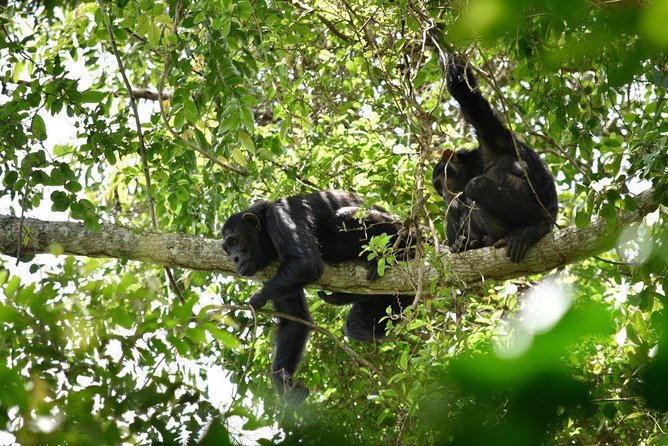
Budongo Forest is one of the places in Uganda where chimp tracking feels like it has a real rhythm. The goal is simple: you follow your ranger through the forest until you reach a chimp community, then you watch how they move, feed, groom, and react. It’s the kind of wildlife moment that’s hard to fake with anything other than real primates in real trees.
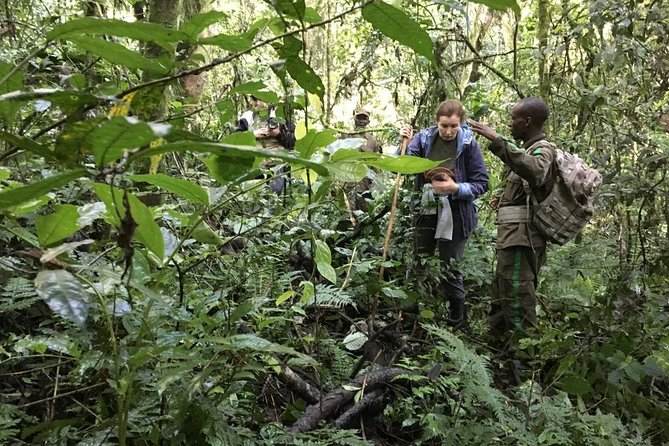
I also like that this isn’t just a straight chase. Your guide walks you along forest trails and you’re exposed to other primates and even plant species, shrubs, and forest details as you go. That matters because chimp encounters can be sudden and busy, so having context from the trail makes the whole experience feel more alive, not just one stop.
The setting is tied closely to the human pace too. You start from Masindi at Murchison Backpackers, then you drive into the reserve area before briefing. That drive and briefing time helps you get oriented, and it sets expectations for how the tracking works.
Half-Day vs Full-Day: Habituation Changes What You Get
You can choose a half-day format or upgrade to a full-day experience for chimpanzee habituation. The key idea is that habituation is slower and more gradual, so chimps get slowly used to the presence of humans over time.
A half-day is built around the classic tracking flow, with a limited window to reach chimps and then spend time watching and photographing. If you want the strongest chance of a single big encounter within a shorter day, this option is usually the better fit.
The full-day option is for a different type of traveler. If you like longer wildlife time and want the experience to feel less like a quick stop and more like a process, habituation is where that comes in. It can also be a great choice when you prefer a more patient pace, since you’re staying with the situation as it develops rather than trying to compress everything.
Royal Mile Budongo Forest: How Your Ranger Sets the Tone
Your day starts with a drive into Budongo Forest and a briefing from your designated park ranger. That briefing isn’t filler. It’s where you get the rules for moving in the forest, how tracking will work that day, and what to expect once you reach the chimp community.
From what I can tell, the guides here are a big part of why people feel good about the tour. One strong theme is that the guides live around Budongo Forest, and that local knowledge tends to show in how relaxed and confident the day feels. When you’re walking in dense forest, confidence matters. It helps you stay present instead of worrying about every step.
There’s also a practical timing reality. Tracking can be done in the morning or evening, depending on preference and permit availability. That means your day plan might be flexible, and it’s smart to have other loose parts of your schedule that won’t collapse if the start time shifts.
The Trek Itself: What “3 Hours of Tracking” Really Means
The chimp tracking segment is about three hours total. That includes trekking through the forest to the chimp community, then spending about one full hour interacting in the sense of watching and being near the chimps, followed by time to walk back to the starting point.
So even though the full tour is listed around 4 to 6 hours, you’re not spending all that time sprinting after chimps. You get a clear structure, and that structure is what makes the experience feel manageable. You’re not just walking aimlessly and hoping for the best. You’re moving with a plan, and once you reach the chimps, your time is protected so you can actually watch.
A drawback to keep in mind is effort. Forest trekking is physically real. Even if it’s not presented as a long-distance hike, you should assume uneven ground, thicker vegetation, and a slower pace due to searching. Comfortable shoes are not optional for this one.
Also, since tracking is permit-driven, there isn’t a guarantee of a chimp sighting at any exact moment. That’s normal in real wildlife tourism, and your ranger’s job is to do the best tracking possible based on conditions and access.
The Chimpanzee Hour: Behavior Watching and Photo Time
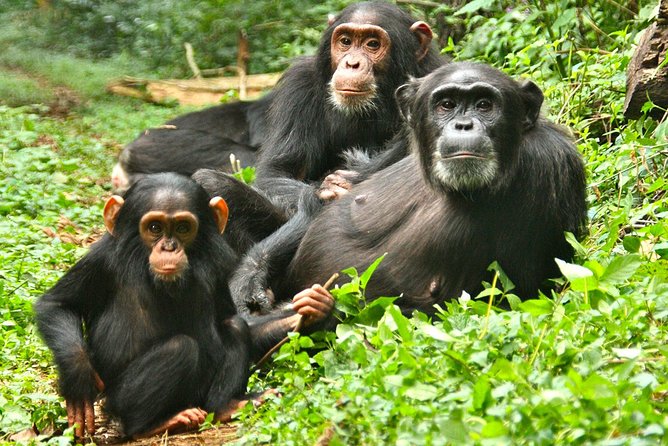
The moment you reach the chimp community, you get a full hour that’s designed for both observation and photos. This is the part I think most people are chasing, and it’s also the most emotionally intense part.
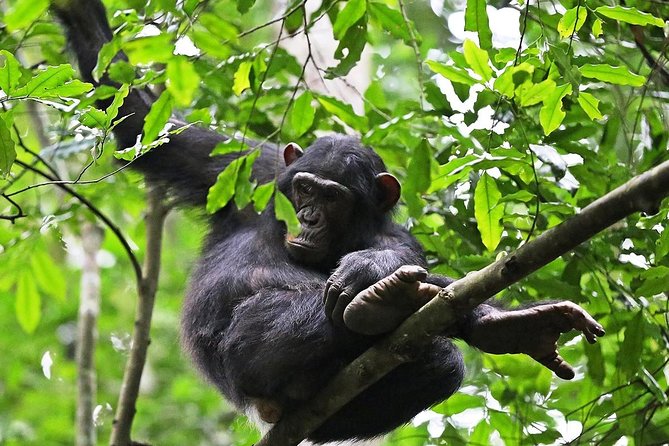
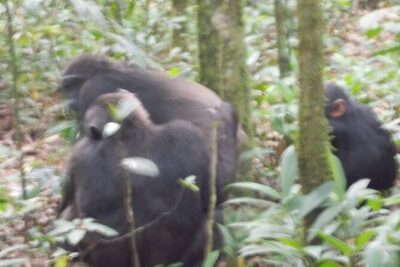
During that hour, chimp behavior is the whole show. You’ll see how chimps interact with each other, how they move through branches, how they feed, and how they react to your presence. The exact behaviors will vary, but the experience is consistently about close, real primate observation rather than a distant view.
Photo time is included in that chimp window, which is helpful because it prevents the classic problem of rushing your camera work. If you bring a phone or camera, this is your protected chance to capture the scene. Just remember, photos should never push you into unsafe or disruptive positions. Your ranger will guide where to stand and how to move.
If you’re the type who enjoys wildlife details, you’ll likely notice small things during that hour. Grooming is often a highlight. So is movement, especially when chimps change locations within the canopy. Watching carefully rather than constantly photographing tends to make the hour feel longer.
More Than Chimps: Other Primates, Plants, and Forest Details
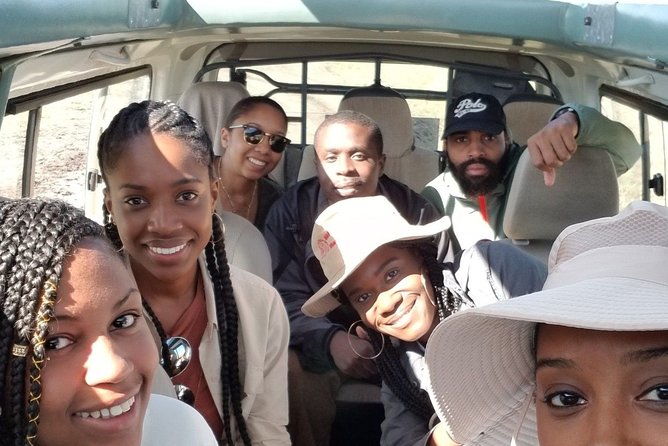
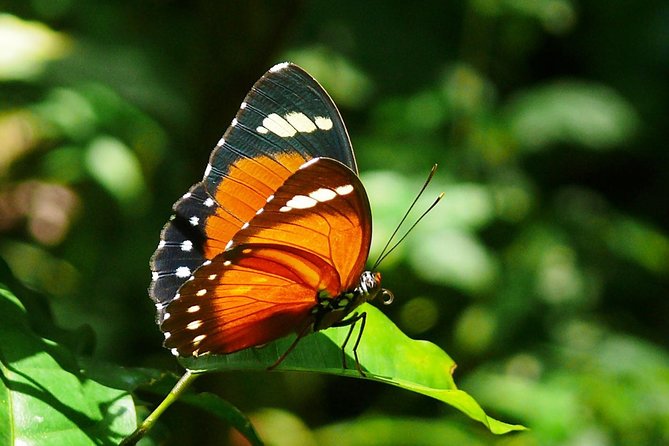
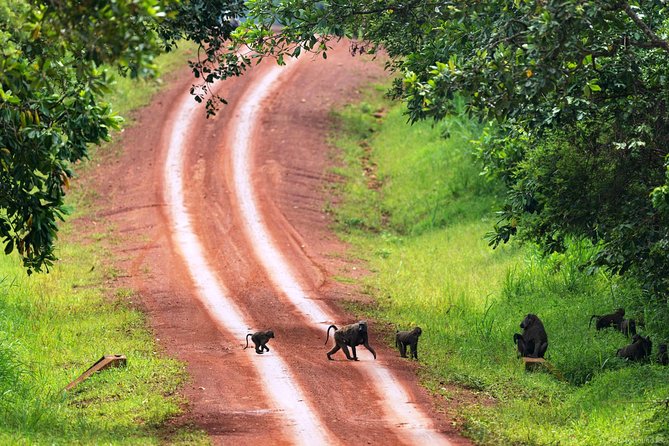
One of the better surprises in this style of outing is how much you see along the walk besides chimps. The experience includes time where you’re exposed to other primates and several plant species and shrubs in Budongo Forest.
This matters because it reduces the all-or-nothing pressure. If you love wildlife, you’re still getting value during the trek. And if you’re unlucky with timing, you still come away with a stronger sense of the ecosystem rather than only one brief sighting.
Plants and shrubs also give you something to look at while you’re walking. Forest tracking can become mentally tiring if you’re staring at the ground and thinking only about chimp locations. Forest life gives you a second channel for attention, which helps you stay calm and present.
Private Transport and Why It Adds Real Value
This experience is private, meaning your group participates only with your tour team. That changes the feel immediately. You’re not trying to manage your own pace against a crowd or competing for the ranger’s attention with strangers.
It also supports a smoother start. You get private transportation and the day is organized around getting you into the reserve and back to your meeting point. In practice, that reduces stress, especially if you’re staying in Masindi and don’t want to coordinate local transit on a tight timeline.
Your meeting and end point is Murchison Backpackers on the Kampala-Masindi route area in Masindi, Uganda. It’s a clear anchor. For people who like to keep logistics simple, that helps a lot.
Price and What You Actually Get for $150
The price is $150.00 per person. For that you get private transportation and all fees and taxes included, plus access tied to the chimp tracking experience.
What’s not included is meals. So you’ll want to plan food around the 4 to 6 hour timeframe. If you’re doing a half-day, pack a simple snack plan so you’re not hungry during the morning or evening focus window. If you’re doing a full-day habituation upgrade, you’ll likely need more intentional meal planning, since the day extends.
From a value perspective, the cost makes sense when you think about what’s included: ranger expertise, park access fees, and the organized tracking flow into the forest. This is not a DIY experience where you can easily substitute a guide. In chimp country, ranger work and permitting are the difference between wandering and actually getting a meaningful chance to reach a community.
Also, you’re booking with confirmation at the time of booking, and the ticket is mobile. That reduces friction and helps if you like to travel light on paperwork.
Weather Reality: Plan for Conditions, Not Just Dates
This experience requires good weather. That’s not a small footnote. Forest conditions, trail safety, and tracking practicality can change with rain and poor visibility.
The good news is that if the experience is canceled due to poor weather, you’re offered either a different date or a full refund. That’s the right kind of backup plan for wildlife days, because rain can be a genuine blocker rather than a minor inconvenience.
So when you’re scheduling your Uganda days, treat the chimp trek like the main event and keep your surrounding plans flexible.
Practical Tips That Make the Day Smoother
Here’s how I’d set you up for an easier, more comfortable chimp trek in Budongo Forest, based on how these treks work in practice.
First, dress for forest walking. You want shoes that grip and socks you don’t mind if your route gets muddy or dusty. Wear long sleeves if you’re sensitive to insects or brush, and keep your hands protected when the trail narrows.
Second, keep your camera workflow simple. That included photo time is valuable, but the best shots often come from being ready quickly when chimps appear. If you’re carrying a large setup, keep it secure and follow your ranger’s movement cues.
Third, expect a real walk. Even though the structure is defined, forest trekking is still walking on uneven ground. If you’re coming from a travel day and feel stiff, warm up gently before you start moving through the forest.
Finally, be mentally flexible about the start time. Tracking can run morning or evening based on preference and permit availability. If you’re the type who hard schedules every hour, this tour will teach you some easy flexibility.
Who This Chimpanzee Trek Is Best For
This tour fits well if you want guided chimp tracking without turning the day into a long planning project. The private format is ideal if you value personalized attention, calm pacing, and a guide who can respond to your group.
It’s also a strong pick for wildlife lovers who care about ecosystems, not only animals. The tour includes other primates and several plant species and shrubs, and your ranger briefing helps you connect those details to what you’re seeing in the forest.
If you prefer a slow, patient nature experience, the full-day habituation upgrade is likely a better match than a half-day. You get the chance to watch how humans and chimp communities coexist over time.
If you have very limited mobility or you hate any hiking on uneven ground, you might find this trekking approach challenging. The tour is typically short in time, but it’s still done on forest trails.
Should You Book Chimpanzee Trekking in Budongo Forest?
I think you should book if you want a high-structure wildlife day, private guidance, and a real chance to watch chimpanzees up close. The ranger briefing plus the clear tracking timeline makes this feel organized, not chaotic.
The best reason to say yes is the human side. The guides are praised for being excellent and for living around Budongo Forest, and that local grounding can make the trek feel smoother and more confident. When you’re deep in forest, that kind of calm competence matters.
My one caution is the communication reality around bookings. There can be uncertainty at the start if information doesn’t line up right away. If that happens, ask questions early, confirm your meeting details, and don’t hesitate to request clarity on the day’s schedule before you head into the forest.
If you’re okay with weather dependent timing and a bit of physical walking, this is a very worthwhile Masindi-area experience, especially if you want chimp behavior watching with guided support.
FAQ
How long is the chimpanzee trekking experience?
It typically lasts 4 to 6 hours, depending on the tracking flow and the rest of the day plan.
Is tracking done in the morning or the evening?
Tracking is done either in the morning or evening based on your preference and permit availability.
What happens during the chimpanzee tracking time?
Chimp tracking is about three hours total, including trekking to the chimp community, about one full hour to interact through watching and taking photos, and then walking back.
Is this a private tour?
Yes. It is private, so only your group participates.
Where is the meeting point?
You start at Murchison Backpackers in Masindi, Uganda (Kampala-Masindi area) and the activity ends back at the same meeting point.
What is included in the $150 price?
It includes private transportation and all fees and taxes. A mobile ticket is provided.
Are meals included?
No, meals are not included.
What if the weather is poor?
This experience requires good weather. If it is canceled due to poor weather, you will be offered a different date or a full refund.
Can I cancel and get a full refund?
Yes. You can cancel up to 24 hours in advance for a full refund, based on the experience’s local time.
The Rest of the Uganda File
Other Uganda trips we have written up
- Uganda: 2-Day Murchison Falls Park Safari with Boat cruise★ 5.0 · 7 reviews
- Experience Chimpanzee Trekking in Budongo Forest★ 4.5 · 7 reviews
Chimpanzee Trekking, compared.
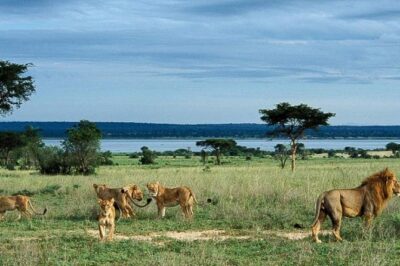 ★ 5.08-Day Murchison Falls, Chimp and Epic Gorilla Trekking SafariFrom $3,59872 reviews
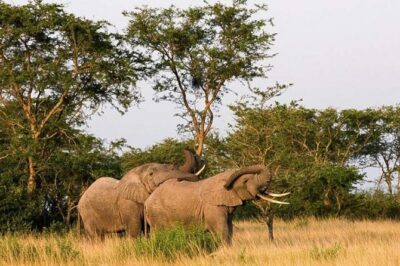 ★ 5.05-Day Pearl of Africa Chimps and Gorilla Trekking SafariFrom $2,17152 reviews
 ★ 5.08-Day Murchison Falls, Chimp and Epic Gorilla TrekkingFrom $12,00032 reviews
 ★ 5.015-Day Gorilla and chimps Trekking, Big 5 and Nature Sighting SafariFrom $5,00031 reviews
 ★ 5.05 Days Uganda Gorilla, Chimpanzee and Wildlife SafariFrom $2,86329 reviews
 ★ 5.05 Day Gorillas, Wildlife and Kalinzu Forest Chimp TrekFrom $2,78027 reviews
 ★ 5.03 Days Kibale National Park Chimpanzee TrackingFrom $1,16922 reviews
 ★ 5.04 Days Gorilla and Chimps trek safariFrom $2,47020 reviews
Browse the lists this tour appears in