
REVIEW · ENTEBBE TOURS & TRANSFERS
Entebbe: Mabamba Swamp Shoebill Tracking Boat Tour
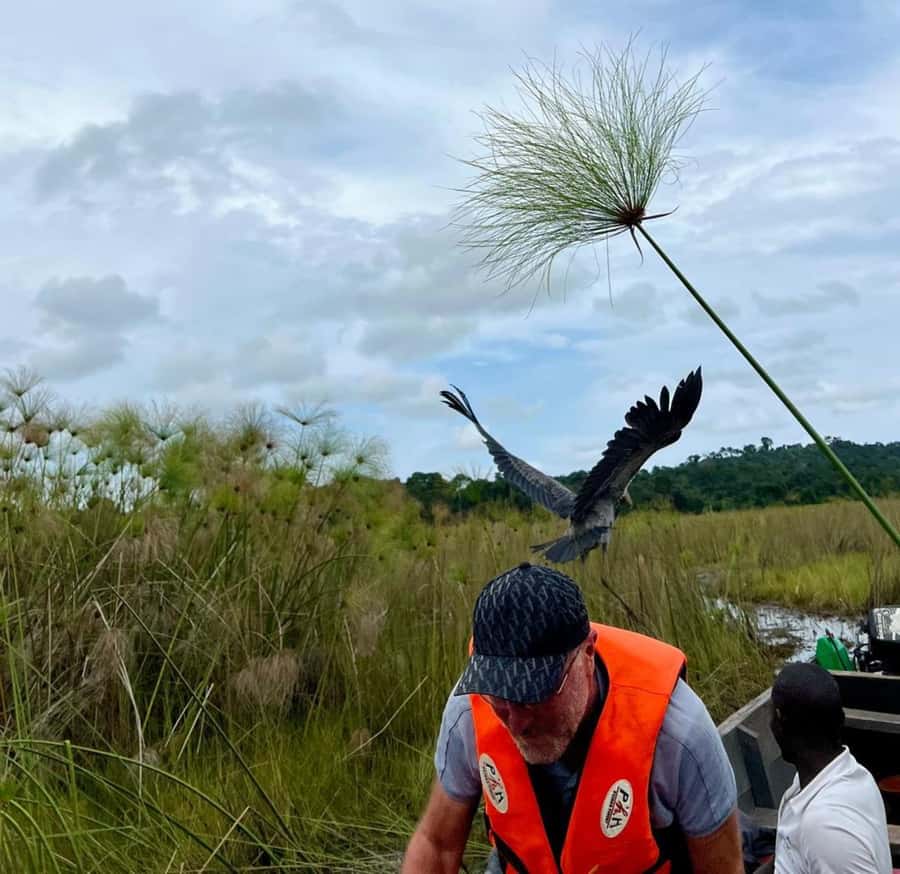
Prehistoric birds, quiet swamp water, and great odds. This short outing combines a Lake Victoria boat transfer with guided canoe tracking in Mabamba Swamp, one of Uganda’s top birding spots. Two things I really like: you get a shot at the elusive Shoebill in habitat, and you also see a solid mix of other species along the papyrus-lined channels. One drawback to plan for: it can be a little tricky to find your boat at Nakiwogo Landing Site, even though it usually does not take long.
You’ll be in a small group (up to 10), led by an English guide who helps you read the swamp like a pro. The standard run is about 3 hours, and the timing can stretch a bit if birds are active or if your group wants more time in the channels.
In This Review
- Key things to know before you go
- Why Mabamba Swamp is a big deal for birdwatchers
- Getting to the swamp: Nakiwogo Landing Site to Lake Victoria crossing
- In the wetlands: canoe tracking in papyrus-lined channels
- Shoebill Stork tracking: how to maximize your chances
- Guides, group size, and what the experience feels like
- Price, what’s included, and how to plan your day
- Should you book this Shoebill tracking canoe tour?
- FAQ
- Where is the meeting point for the Mabamba Swamp tour?
- How long does the tour take?
- Is hotel pickup or drop-off included?
- What’s included in the price?
- What should I bring for this trip?
- Is a Shoebill Stork sighting guaranteed?
- Is there flexibility with booking and cancellation?
Key things to know before you go
- Nakiwogo start on the ferry docks area: you meet at Nakiwogo Landing Site, near the ferry that goes to Kalangala docks.
- About 45 minutes across Lake Victoria: you spend real time on the water before you reach Mabamba Swamp.
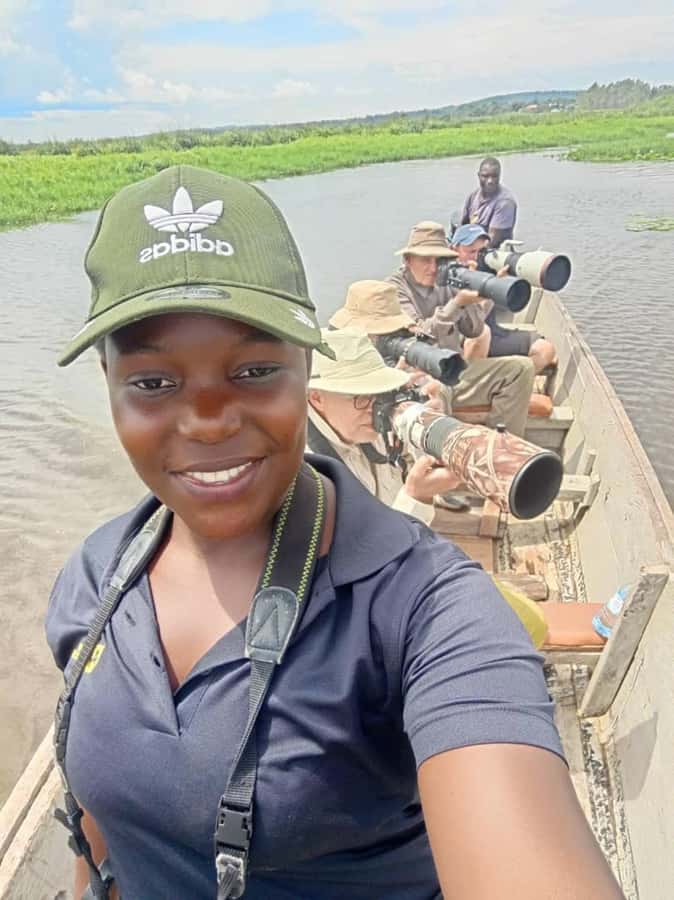
- Small group format: limited to 10 participants, which helps keep things calm and easier to spot birds.
- Canoe through narrow papyrus channels: you glide in quieter, tighter waterways where birds feel less disturbed.
- Shoebill sightings are not 100 percent: you can still have an excellent birding day even without a Shoebill moment.
Entebbe pickups and lakeside half days
- Entebbe Airport pickup (Entebbe – Kampala) reliable 24/7 transfer
★ 5.0 · 40 reviews - Entebbe Eco Tour – Full Day
★ 4.5 · 16 reviews - Luxury Spa Day in Entebbe
★ 5.0 · 16 reviews - Entebbe: Mabamba Swamp Shoebill Tracking Boat Tour
★ 4.9 · 8 reviews
Why Mabamba Swamp is a big deal for birdwatchers
Mabamba Swamp sits on the shores of Lake Victoria and is known as one of Uganda’s most respected birding destinations. It is also a Ramsar Wetland of International Importance, which matters because these protected wetlands tend to maintain the habitat that rare birds need.
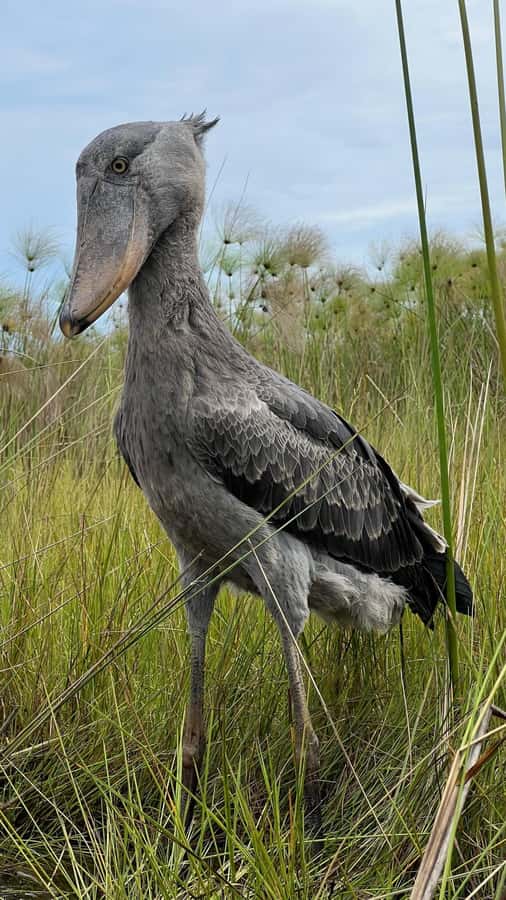
The main reason people come is the Shoebill Stork. This bird has that prehistoric look, and the experience is built around tracking it in natural conditions, not watching it behind glass. The other reason I’d feel good about booking even as a casual bird fan is the sheer variety: you’re targeting Shoebill, but you’re also likely to pick up other standout species while moving through the channels.
Even if your top priority is one bird, Mabamba is set up so your time in the wetland is about more than a single moment. As you travel through narrow waterways lined with papyrus reeds, you’ll keep your eyes open for birds like African Jacana, Malachite Kingfisher, and Blue-breasted Bee-eater, plus more species along the way.
Getting to the swamp: Nakiwogo Landing Site to Lake Victoria crossing
Your trip starts at Nakiwogo Landing Site in Entebbe, where you board the boat for the ride toward Mabamba Swamp. The meeting point is specific, and that’s good, because once you know where to look, you can get your bearings fast.
Plan for the practical reality: finding the correct boat at a busy landing site can feel a little confusing at first. One good tip is to arrive early enough to ask for clarification on the spot. In real life, you may need a minute to confirm you’re at the right canoe, but it is not usually a long problem if you give yourself time.
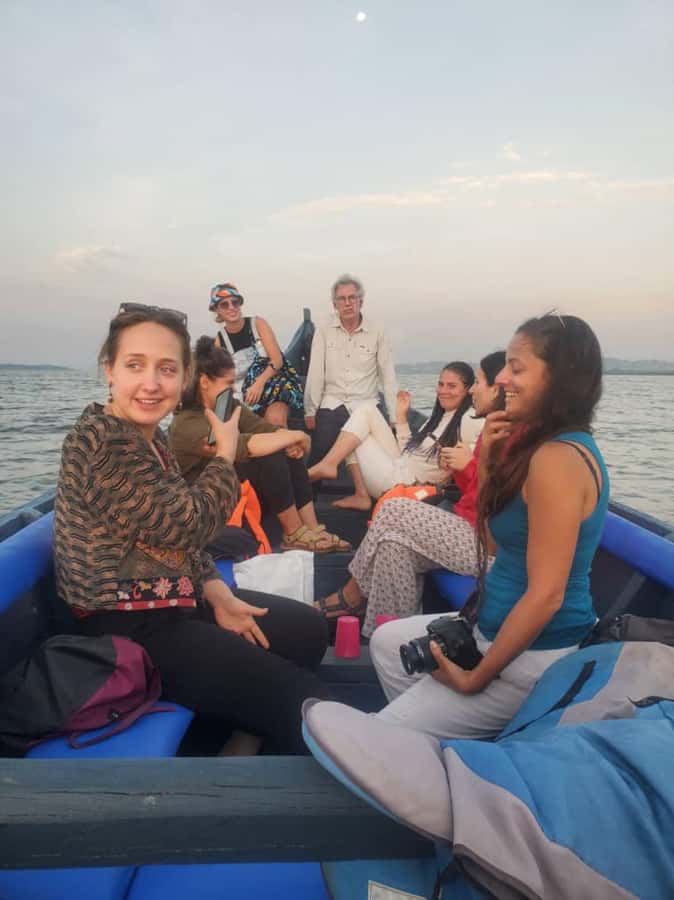
The crossing itself is about 45 minutes over Lake Victoria. This is not just transit, it’s part of the show. You’ll get that “we are really on the water now” feeling before you reach the swamp waterways where most birdwatching happens.
In the wetlands: canoe tracking in papyrus-lined channels
Once you reach Mabamba, your guide takes you into the wetland by traditional motorized canoe. The goal is to move through narrow water channels lined with papyrus reeds, where birds use the reeds and edges for feeding and hiding.
This is where the tour style helps you. You are not rushing from one far-off viewpoint to another. Instead, you are traveling slowly through the channels with a bird-focused guide, which gives you time to scan, pause, and react when activity starts.
This is also where you’ll notice how the swamp changes the pace. The water is tight. The views are framed by reeds. So you learn to watch for movement and silhouette rather than relying on big, open sightlines. That matters for your Shoebill odds, because this bird tends to blend into the wetland look.
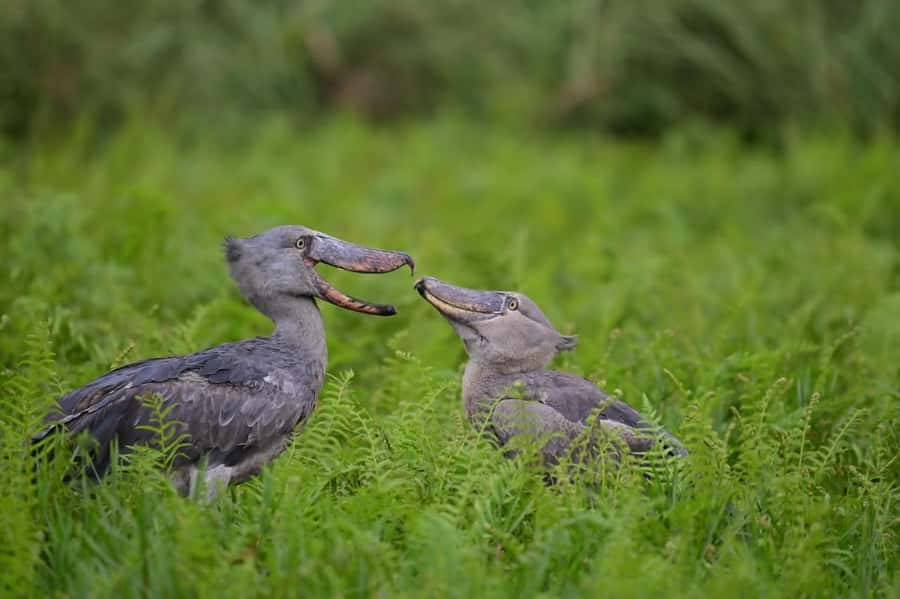
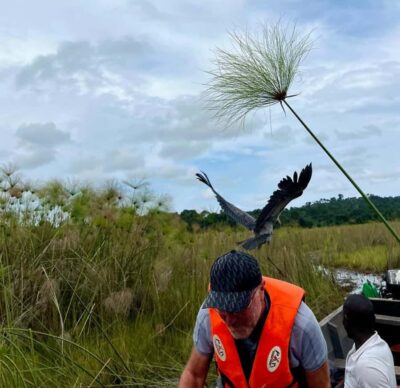
As you go, you’re not limited to one target. You might spot African Jacana stepping along the edges, a kingfisher flashing blue-green, or bee-eater activity depending on the day. The tour is built around that mix: Shoebill tracking plus a broader birding circuit.
On the water in Uganda, more boat trips


Shoebill Stork tracking: how to maximize your chances
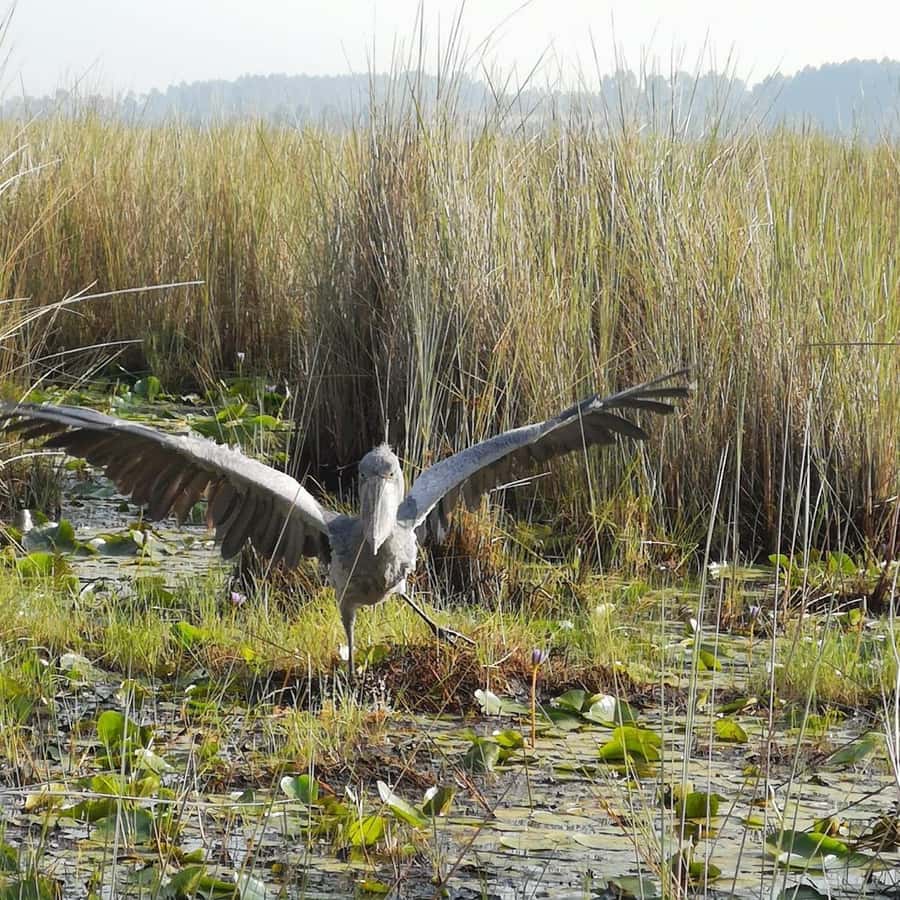
Let’s talk about the part you care about most: seeing the Shoebill. The tour is designed for tracking in natural habitat, which is the right way to pursue a bird like this. But you should also respect the reality that nature controls the schedule. A Shoebill sighting is not guaranteed 100 percent.
So how do you maximize your chance without losing your mind? First, you go in ready to focus. Bring your camera and keep it accessible. Have your hat on and sunscreen applied, so you’re not distracted by sunburn or squinting. Second, listen to your guide’s cues. In a wetland, the best clue might be what you notice after you stop moving.
A flexible timing element helps too. The standard experience runs about 3 hours, including transit time, and it can be extended based on bird activity or guest requests. If you’re serious about ticking off Shoebill, that flexibility can be the difference between leaving right before the bird shows and staying long enough for it to come into view.
Guides, group size, and what the experience feels like
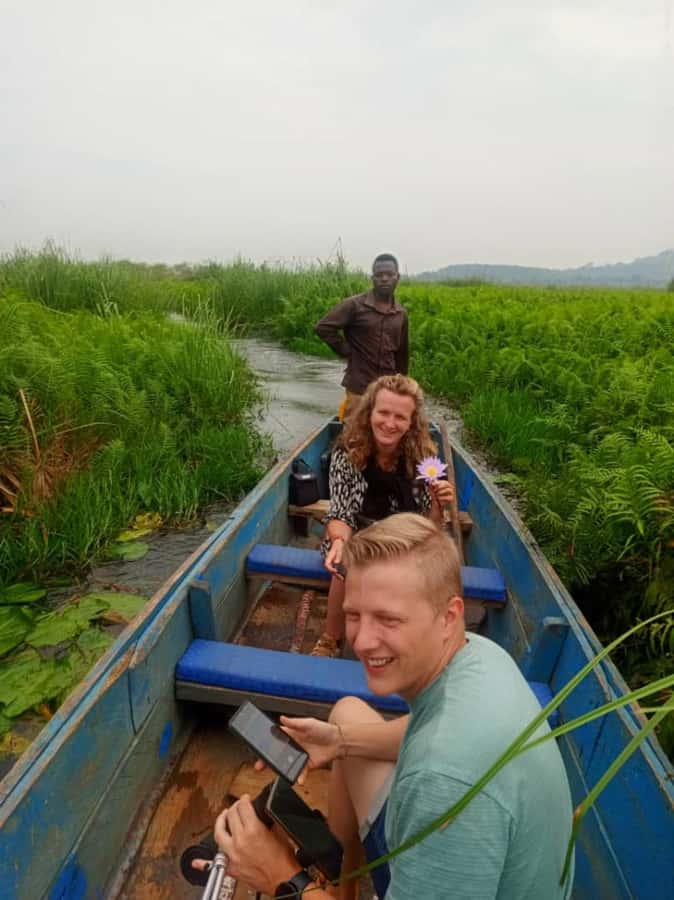
This tour runs with a live English guide, and the group stays small, limited to 10 participants. That small size is not just a comfort thing. It helps with birdwatching because everyone can stay organized, you can hear instructions, and you’re less likely to block each other’s view in the tight channels.
There’s also a clear pattern in what makes this trip work: the guides tend to be friendly and careful, and they manage the swamp experience with attention to detail. In particular, Paul and Lilian are specifically mentioned as taking good care of guests and making the time in the swamp memorable.
In tone, the trip feels calm and practical. You’re on a boat, then in channels, then back out again. It’s not loud tourism. It’s a focused birding outing where the guide does the heavy lifting in finding activity and helping you understand what you’re looking at.
Price, what’s included, and how to plan your day
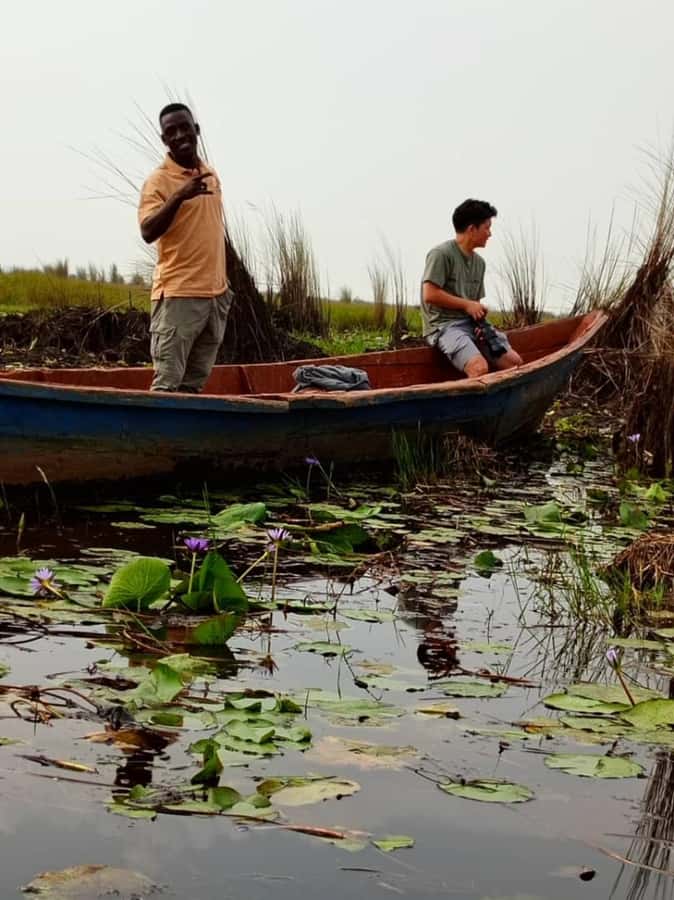
At $115 per person for a 3-hour experience, this is not a budget-only activity. But the value makes sense when you break down what’s included. You’re getting boat transfer from Entebbe (Nakiwogo) to Mabamba Swamp and back, a local bird guide, life jackets, and bottled drinking water. You’re also getting dedicated Shoebill tracking time rather than a quick stop.
What you should plan for is what is not included: hotel pickup and drop-off, and meals or snacks. That means you’ll want to either arrange your own way to the meeting point or build in time to get there comfortably. Also, bring a light plan for eating before or after, since a 3-hour window goes fast once you’re out on the water.
The best prep items are the ones that keep you comfortable and ready to focus:
- Hat, sunscreen, and long-sleeved light clothing
- Insect repellent
- Camera (with a way to protect it from water spray)
- Water, even though bottled water is provided
Rainy-season timing matters too. Waterproof gear or ponchos are advisable in March–May and October–November. If you go in those months, I’d rather you bring the rain cover and be glad than regret not having it.
Should you book this Shoebill tracking canoe tour?
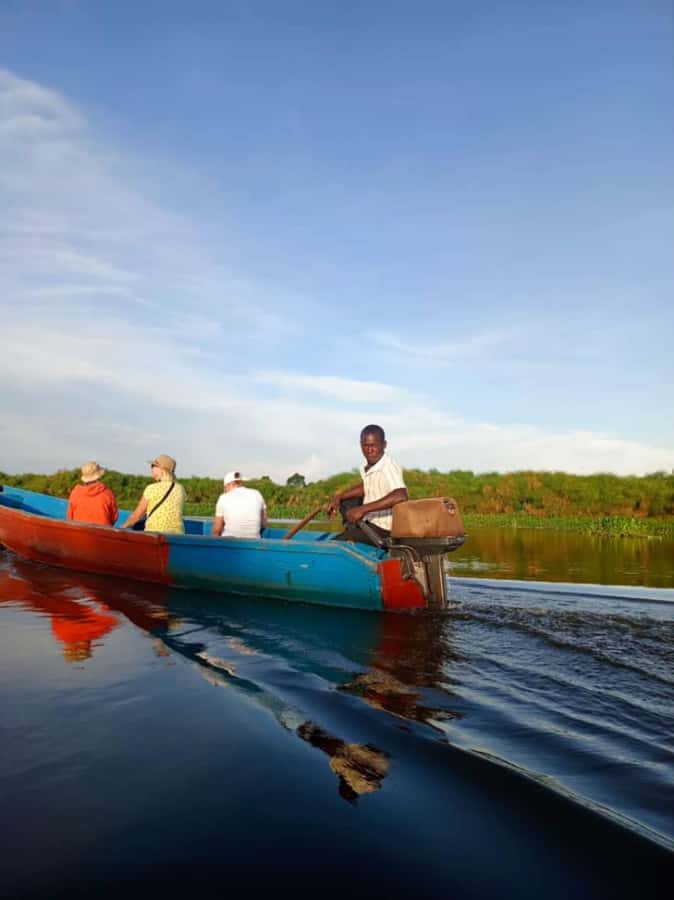
If you want one of the best shots at seeing the Shoebill Stork in Uganda, this is a strong choice. You get a focused wetland experience, a small group setup, and a guide-led approach that helps you spot birds in a habitat where they can easily vanish.
I’d especially recommend it if you like nature trips that are practical and calm, and if you can handle the fact that Shoebill is a real wild-bird chase, not a guaranteed photo stop. And if you’re coming with a flexible mindset, the chance to extend the time in the channels can pay off.
If you hate any uncertainty at all, you might feel the lack of a guaranteed Shoebill sighting. But even with that caveat, the combo of Mabamba Swamp, papyrus channels, and 200+ bird potential makes it a worthwhile birding outing.
FAQ
Where is the meeting point for the Mabamba Swamp tour?
You meet at Nakiwogo Landing Site in Entebbe. It is also described as the area where the ferry that goes to Kalangala docks operates.
How long does the tour take?
The standard activity lasts about 3 hours, including transit time. The timing can be extended based on bird activity or guest requests.
Is hotel pickup or drop-off included?
No. Hotel pickup and drop-off are not included, so you’ll need to handle getting to the meeting point on your own.
What’s included in the price?
The tour includes boat transfer from Entebbe (Nakiwogo) to Mabamba Swamp and back, a local bird guide, Shoebill tracking, life jackets, and bottled drinking water.
What should I bring for this trip?
Bring a hat, camera, sunscreen, water, long-sleeved shirt, and insect repellent. Long-sleeved clothing helps, and you’ll want sun and bug protection for the water and swamp time.
Is a Shoebill Stork sighting guaranteed?
No. Shoebill sightings are not 100 percent guaranteed because sightings depend on natural conditions.
Is there flexibility with booking and cancellation?
Yes. You can cancel up to 24 hours in advance for a full refund. You can also reserve now and pay later to keep your plans flexible.
Other Uganda Trips

The Rest of the Uganda File
Entebbe and the Lakeshore

Other Uganda trips we have written up
- 7-Day Uganda Adventure Safari – Midrange Lodges★ 5.0 · 3 reviews
- 5 days gorillas and chimpanzee tracking★ 4.5 · 3 reviews
- A Thrilling 1-Day Rhino Tracking Tour in Uganda★ 5.0 · 3 reviews
- 3 Days Murchison Falls Wildlife Safari★ 4.5 · 3 reviews
- 10 Day Gorilla Chimps and Big 5 Safari★ 5.0 · 3 reviews
Entebbe Tours & Transfers, compared.
 ★ 5.0Entebbe Airport pickup (Entebbe – Kampala) reliable 24/7 transferFrom $4840 reviews
 ★ 4.5Entebbe Walking Tour (3 Hours) with Zoo and Botanical Gardens OptionsFrom $2536 reviews
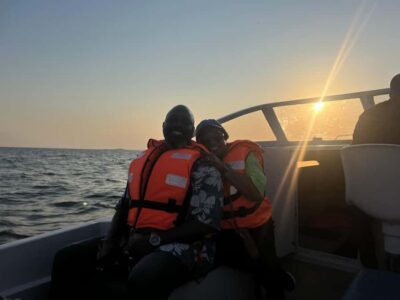 ★ 4.8Equatar Line Tour & Victoria Lake Sunset Boat RideFrom $13016 reviews
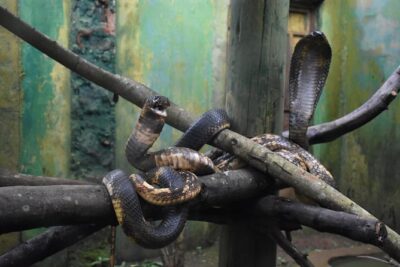 ★ 4.5Entebbe Eco Tour – Full DayFrom $27016 reviews
 ★ 5.0Luxury Spa Day in EntebbeFrom $14016 reviews
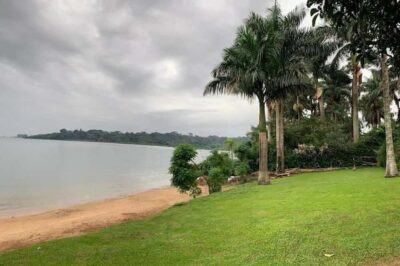 ★ 3.5Guided Walking TourFrom $2615 reviews
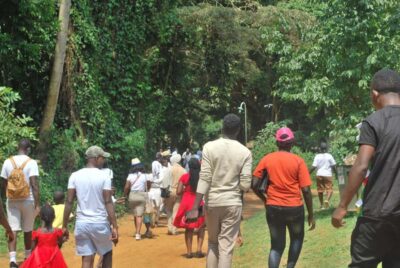 ★ 4.91-Day Best of Entebbe City Guided Walking TourFrom $588 reviews
 ★ 4.7Female-Led Guided Walking TourFrom $358 reviews
Browse the lists this tour appears in