
REVIEW · GORILLA TREKKING SAFARIS
9 day Gorilla Trekking, Chimpanzee & Wilderness Safari (mid-range)
Nine days, three top primates, one wild circuit. This route strings together Ziwa’s on-foot rhino tracking, chimpanzees in Kibale, and gorillas in Bwindi, then balances it with classic safari parks and boat cruises. You’ll also get the dramatic River Nile views at Murchison Falls and a solid dose of big-game chances across both Queen Elizabeth and Murchison.
What I like most is the mix of guided animal time plus different ways of seeing wildlife, from game drives to river and channel cruises. You’ll love the early starts because you’re out when animals are most active, but they also mean a tough morning routine if you dislike 5:00 am starts. The other consideration is the walking and physical effort: the trip calls for moderate physical fitness, and both chimp and gorilla tracking happen in forest conditions.
In This Review
- Key things that make this Uganda trip work
- Price and logistics: what you’re really paying for
- Ziwa Rhino and Wildlife Ranch: tracking rhinos on foot
- Murchison Falls: the River Nile’s power, up close
- Murchison Falls game drives and a Nile waterfall cruise
- The westward road to Fort Portal and Kibale
- Kibale chimpanzee tracking at Kanyanchu Visitor Center
- Queen Elizabeth National Park: Kasenyi tracks and the Kazinga Channel cruise
- Ishasha tree-climbing lion country, then the ride into Bwindi
- Bwindi gorilla trekking: the day that changes your brain
- The Batwa cultural walk: a slower evening after a hard trek
- Lake Mburo National Park: zebra and giraffe on foot
- The equator stop and your final drive back toward Entebbe or Kampala
- Who should book this route, and who should think twice
- Should you book? My practical take
- FAQ
- Where does the tour start?
- What time does the tour start?
- Is this a private tour?
- What is the physical fitness level required?
- What wildlife and activities are included?
- Are admission tickets included?
- What animals might you see on the boat cruises?
- How does cancellation and refunds work?
- Who is the experience provider?
Key things that make this Uganda trip work
- On-foot rhino tracking at Ziwa Sanctuary with a ranger-guide, led through the bush where you look for over 30 rhinos
- Chimpanzee tracking in Kibale at Kanyanchu Visitor Center, guided by rangers after a park briefing
- Gorilla trekking in Bwindi with a ranger briefing first, then a guided trek to your allocated family
- Game drives plus water time in Murchison Falls and Kazinga Channel, so you’re not stuck with just one type of wildlife viewing
- Ishasha tree-climbing lion country for a chance at a very specific lion behavior
- Lake Mburo ends with a walking safari, adding a different pace before you head back toward Entebbe or Kampala
Other gorilla permits and trek operators we have been through
- 3 Days gorilla trekking Safari tour in Uganda
★ 5.0 · 121 reviews - 8-Day Murchison Falls, Chimp and Epic Gorilla Trekking Safari
★ 5.0 · 72 reviews - 5-Day Pearl of Africa Chimps and Gorilla Trekking Safari
★ 5.0 · 52 reviews - 3-Day Tour to Uganda – Gorilla Trekking Bwindi Forest
★ 5.0 · 51 reviews
Price and logistics: what you’re really paying for
At $3,702 per person for about 9 days, this is squarely in the mid-range category for Uganda. The price matters less when you look at what you’re getting: it’s a high-value animal circuit that covers Uganda’s biggest headline experiences, plus multiple safari days and two boat-cruise styles.
A few practical details also help the value. You start at Café Javas on Berkeley Road in Entebbe at 5:00 am, and the tour is described as private, meaning it’s just your group. Pickup is offered, and the listing mentions mobile tickets and group discounts, which can reduce friction if you’re traveling with companions.
If you’re the kind of traveler who wants to see a lot without constantly changing plans yourself, this route is built for you. The downside is the schedule has early mornings and long transfer days. Uganda driving takes time, and on this route you’ll be doing several day-to-day moves between regions.
Ziwa Rhino and Wildlife Ranch: tracking rhinos on foot
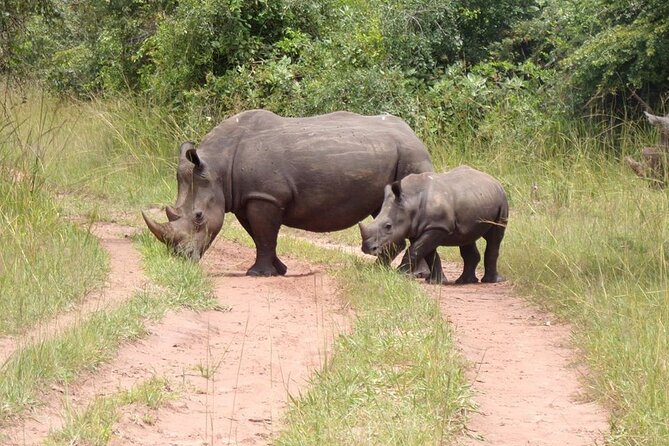
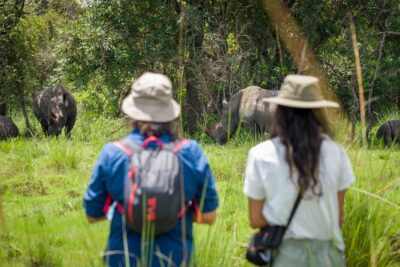
Day one starts with a two-hour on-foot rhino tracking experience at Ziwa Rhino and Wildlife Ranch. You’re led by a ranger-guide into the bushes, with the goal of locating and observing rhinos up close. The program notes there are over 30 rhinos in the sanctuary, which is exactly what you want for a first-day wildlife push.
Why this works so well is simple: you’re not just watching from a vehicle. You’re sharing space and moving at the pace of the guide and the animal. It also sets a tone for the whole trip. After this, chimpanzees and gorillas feel less like a checklist and more like real time in animal habitat.
One practical note: on-foot wildlife tracking means you should be comfortable with uneven ground and quiet, patient periods. Even if you’re not doing a long hike, the mental stamina matters.
Murchison Falls: the River Nile’s power, up close
Murchison Falls is where the trip flexes the “Uganda drama” part. You’ll spend time viewing the waterfalls formed by the River Nile on the way to the north. The framing here is useful: the river is connected to Jinja in the east, then Lake Albert, and continues toward southern Sudan. In other words, this isn’t a random waterfall stop, it’s a major water feature in a much bigger system.
This stop is listed as about one hour with admission ticket included, which makes it feel like a focused breather instead of a time sink. Also, the falls area tends to deliver strong photo moments without requiring all-day effort.
If you hate noisy logistics and constant driving, this part is a good reset. You get a view, you get some time, and then you transition into the wildlife-heavy schedule.
Chimp tracking elsewhere in Uganda, reviewed
Murchison Falls game drives and a Nile waterfall cruise
After an early start, you’ll head into Murchison Falls for a morning game drive. The schedule points to the classic safari cast: elephants, lions, leopards, buffaloes, hyenas, and multiple antelope species. This is the kind of day where the vehicle is part of the experience, because you’re covering ground across the park looking for sightings.
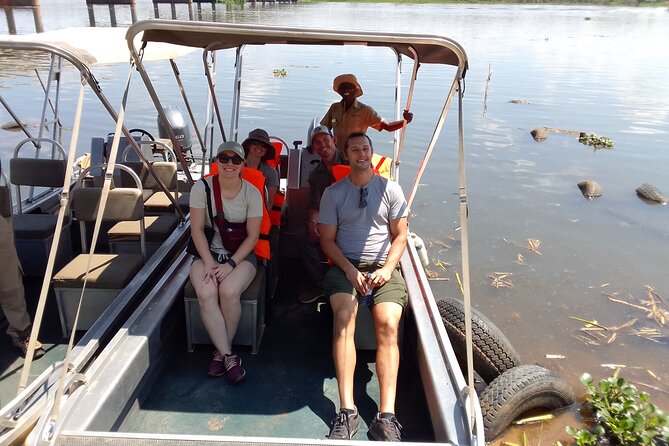
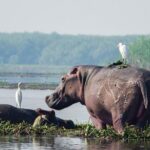
Then you shift from land to water with a waterfall cruise on the River Nile. This is where the trip adds variety: you’re hoping to spot animals coming down to drink, plus water life like hippos and crocodiles, and a lot of water birds.
What I like about pairing these two is that it doubles your odds of memorable sightings. Some animals are easier to find from a vehicle, while others show up along the river. Even if you don’t see a lion, the water cruise can still feel like a full wildlife day.
The consideration is timing and heat. Cruises and game drives both depend on weather and animal movement. You’ll feel it most if you prefer slow travel, but if you’re okay with a packed day, this is one of the best-balanced segments.
The westward road to Fort Portal and Kibale
On day three, you move west from Murchison Falls toward Fort Portal and then to Kibale Forest National Park, with the transfer described as about six hours.
Fort Portal is more than just a stopover here. After lunch you may opt for a nature walk to enjoy views of crater lakes and the Rwenzori mountains. You get a little stretch of legs and a change of scenery before the primate days begin. That matters because chimpanzee and gorilla trekking days are emotionally intense. You want to arrive feeling human, not already wrung out.
If you’re sensitive to long drives, plan for the “road day” reality. Bring water and keep expectations flexible. Uganda’s highlights can involve transit time.
Kibale chimpanzee tracking at Kanyanchu Visitor Center
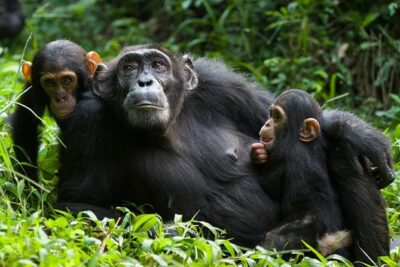
Kibale is one of the best places in Uganda for chimpanzees, and this route includes chimpanzee tracking with a structured approach.
You’ll have an early breakfast, then go to park headquarters for a briefing, and then be led into the forest by a ranger-guide. The chimpanzee tracking experience is described as about six hours, with admission ticket included.
Here’s why the briefing and guide matter: chimpanzee viewing in forest isn’t like spotting animals in open savannah. You need to understand how trackers work, how to move quietly, and how the day can unfold depending on where the chimps are.
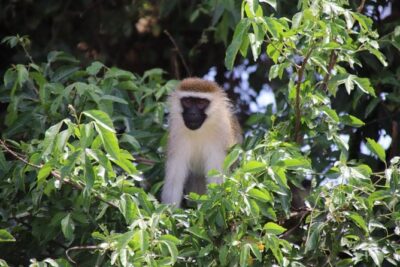
You’ll also get the chance to see other primates like monkeys and baboons. Even if chimp sightings are the headline, this kind of forest day tends to reward you with lots of movement and sound.
If you’re short on patience, you might find forest tracking requires calm waiting. If you like listening for calls and reading the guide’s signals, you’re going to enjoy Kibale.
Queen Elizabeth National Park: Kasenyi tracks and the Kazinga Channel cruise
Queen Elizabeth National Park is built into the middle of the trip for a reason. It gives you both big-game chances and water-focused wildlife viewing.
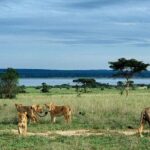
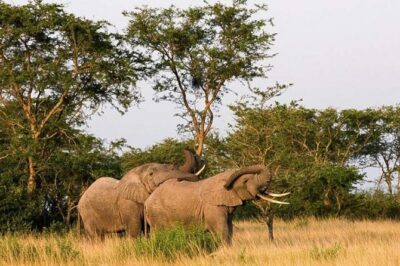
You’ll start with an early morning game drive around the Kasenyi tracks, searching for lions, elephants, buffaloes, leopards, hyenas, giant forest hogs, and many antelope species. That combination matters because it’s a “mix and match” day. You’re not banking on one animal.
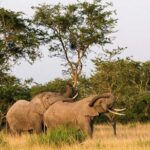
Then come the Kazinga Channel boat cruise in the afternoon. This is one of the most rewarding “feel-good” parts of the week. You’re cruising the channel that connects Lakes Edward and George, with chances to spot hippos, buffaloes, elephants, leopards, and plenty of water birds.
What I like is that the boat cruise slows your pace. After hours in a vehicle, you get a more relaxed viewing rhythm. You also cover prime animal zones along the water, where many species come to feed and drink.
If you get motion sick, consider that cruises can be a bit bouncy. Beyond that, this is one of the best ways to experience Queen Elizabeth without only doing vehicle time.
Ishasha tree-climbing lion country, then the ride into Bwindi
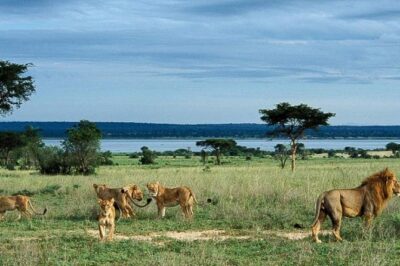
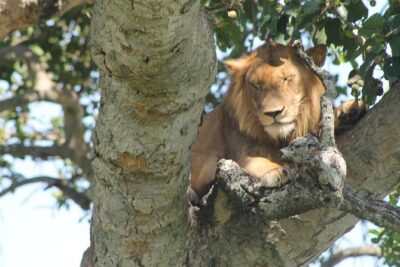
The route continues into the Ishasha sector, departing the northern sector of Queen Elizabeth and heading to the southern sector. You’ll do a short game drive aimed at the famous tree-climbing lions.
Even if you don’t see the lions in trees, Ishasha can still deliver a different safari flavor than other parts of Queen Elizabeth. The landscape and behavior patterns can feel distinct, which keeps the week from blurring together.
After this, you transfer onward to Bwindi Impenetrable Forest, with lunch included during the move. This is a key transition day because gorilla trekking is the emotional center of the trip. Arriving in Bwindi territory means you’re swapping savannah-style wildlife viewing for forest habitat.
Bwindi gorilla trekking: the day that changes your brain
Bwindi Impenetrable Forest is the big moment: gorilla trekking.
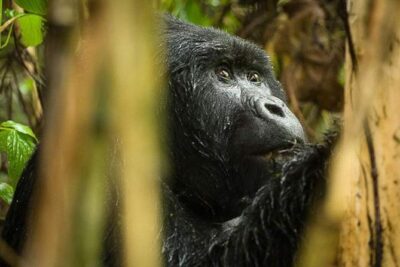
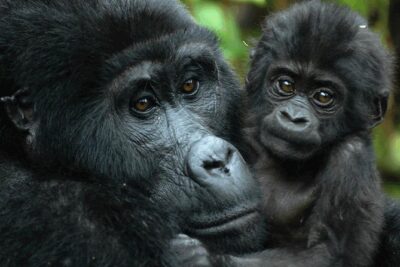
You’ll start early with breakfast, then head to the park headquarters where you join others for a briefing by a park ranger. After that, you’ll be led by a ranger-guide into the forest to find the gorilla family you’ve been allocated to. The trek is listed as about six minutes, which likely refers to the time at the family, not the full trek effort. Still, the structure tells you what to expect: instructions first, then guided contact with the gorillas in their habitat.
This is not a “drive-by” experience, it’s a forest encounter with real rules and real quiet. If you follow the guide’s instructions, you’re rewarded with a moment that feels both wild and intimate.
The physical side is worth respecting. Even with moderate fitness, forest tracking can include steep, slippery sections and long waits. If you pace yourself and stay focused on breathing, you can get through it comfortably.
The Batwa cultural walk: a slower evening after a hard trek
Not every day in this tour is only about animals. On the day after the gorilla trek, you have a chance for an evening cultural walk, depending on how you feel.
This walk is described as giving insight into local lifestyles around the park, with special attention on the Batwa, people who previously lived in the forest. It’s listed as about three hours with free admission for that activity.
I like adding this because it helps you contextualize what you just experienced. You’re not only seeing wildlife, you’re seeing how people live alongside conservation and the realities of nearby communities.
The only drawback is energy. After gorilla trekking, you may not feel like walking for hours. The tour format leaves the choice open, which is exactly what you want for a day with big effort.
Lake Mburo National Park: zebra and giraffe on foot
After Bwindi, the route heads to Lake Mburo National Park. The transfer is described as about five hours, with a lunch stop en route.
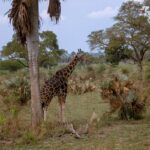
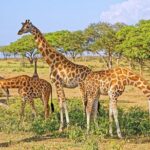
Mburo is a different kind of wildlife day. After lunch, you can relax for a few hours, then head out for an evening guided walking safari. You’re looking for animals such as zebras, giraffes, buffaloes, and other antelope species.
This is a nice “change of pace” after forest tracking. Walking safari time can feel more interactive because you’re at the animals’ level, and you’re moving slowly through habitat the way animals experience it.
If you prefer vehicle viewing only, this may not be your favorite. If you enjoy seeing wildlife at close, human scale, it’s a great ending chapter.
The equator stop and your final drive back toward Entebbe or Kampala
On the last day, you’ll do a game drive as you exit Lake Mburo, then drive toward Entebbe or wherever you choose to be dropped in Kampala.
There’s also an added moment at the equator, where you’ll have lunch, do souvenir shopping, and take photos at the equator sign. It’s about six hours, with admission ticket marked free.
This final day has two jobs: wrap up wildlife with one more drive, and then transition you back to normal life. The equator stop can feel touristy, but the trade-off is time-efficient, and it gives you a fun final memory that’s easy to share.
Who should book this route, and who should think twice
This tour is a strong fit if you want one structured trip that hits Uganda’s big wildlife landmarks without guessing. It suits you if you like variety: rhinos on foot, chimps in forest, gorillas in Bwindi, savannah game drives, and two water experiences on river and channel.
It’s also a good choice if you don’t mind early mornings and long days. The schedule includes a 5:00 am start and multiple transfer days, which is where a private group format can help because you’re not waiting around for strangers.
Think twice if you dislike physical activity beyond casual sightseeing. The trip calls for moderate physical fitness, and both chimp and gorilla tracking involve forest conditions and patience. You should also consider whether you’re comfortable with motion and fatigue on cruises and in vehicles.
Should you book? My practical take
I’d book this if you want a one-stop, Uganda highlight safari built around gorillas and chimpanzees, with plenty of additional wildlife chances in between. The route’s biggest strength is balance: it’s not only primates, and it’s not only vehicle safari. You get land and water viewing, plus a cultural add-on near Bwindi.
If your budget is firm and you’re only interested in one park, there are cheaper ways to do Uganda. But if you want value measured as “how many unforgettable wildlife moments you can pack into one trip,” this is strong.
One last tip: before you go, be honest about your fitness and your tolerance for early mornings. If you’re okay with that, the payoff is huge.
FAQ
Where does the tour start?
The tour starts at Café Javas on Berkeley Road in Entebbe.
What time does the tour start?
The start time is 5:00 am.
Is this a private tour?
Yes. It’s described as a private tour/activity, meaning only your group participates.
What is the physical fitness level required?
You should have a moderate physical fitness level.
What wildlife and activities are included?
You can expect rhino tracking at Ziwa, game drives in Murchison Falls and Queen Elizabeth, boat cruises on the Nile and on the Kazinga Channel, chimpanzee tracking in Kibale, gorilla trekking in Bwindi, and additional primate sightings. You’ll also have nature and cultural walks and a walking safari at Lake Mburo.
Are admission tickets included?
The schedule marks several admissions as included or free for key activities like Ziwa rhino tracking, chimpanzee tracking at Kanyanchu, gorilla trekking in Bwindi, and the Kazinga Channel boat cruise. Some game drive and cruise entries are also marked as free in the plan.
What animals might you see on the boat cruises?
On the Nile waterfall cruise you may see hippos, crocodiles, and water birds. On the Kazinga Channel cruise you may see hippos, buffaloes, elephants, leopards, and many water birds.
How does cancellation and refunds work?
You can cancel up to 6 days in advance for a full refund. Canceling 2–6 days before gives a 50% refund. Within 2 days, there is no refund. Changes within those windows are not accepted, and the experience may be canceled if the minimum traveler requirement isn’t met, with an alternate date/experience or a full refund.
Who is the experience provider?
The experience provider is Safaris By Jon.
Other Uganda Parks
Chimps Elsewhere in Uganda
Gorilla Treks, Three More Ways
Other Uganda trips we have written up
- 7-Day Uganda Adventure Safari – Midrange Lodges★ 5.0 · 3 reviews
- 5 days gorillas and chimpanzee tracking★ 4.5 · 3 reviews
- A Thrilling 1-Day Rhino Tracking Tour in Uganda★ 5.0 · 3 reviews
- 3 Days Murchison Falls Wildlife Safari★ 4.5 · 3 reviews
- 10 Day Gorilla Chimps and Big 5 Safari★ 5.0 · 3 reviews
Gorilla Trekking Safaris, compared.
 ★ 5.03 Days gorilla trekking Safari tour in UgandaFrom $2,600121 reviews
 ★ 5.08-Day Murchison Falls, Chimp and Epic Gorilla Trekking SafariFrom $3,59872 reviews
 ★ 5.05-Day Pearl of Africa Chimps and Gorilla Trekking SafariFrom $2,17152 reviews
 ★ 5.03-Day Tour to Uganda – Gorilla Trekking Bwindi ForestFrom $1,11051 reviews
 ★ 5.0Gorilla Tracking & Batwa Culture ExperienceFrom $2,84040 reviews
 ★ 5.04-Day Uganda Gorilla Trekking and Wildlife SafariFrom $2,45037 reviews
 ★ 5.0Private 3 Day Gorilla Trekking Safari in UgandaFrom $3,32636 reviews
 ★ 5.08-Day Murchison Falls, Chimp and Epic Gorilla TrekkingFrom $12,00032 reviews
Browse the lists this tour appears in