
REVIEW · GORILLA TREKKING SAFARIS
3 Day Guided Gorilla Tracking Safari At Bwindi National Park
Bwindi is where your gorilla hike starts. This 3 day guided safari is built around ranger led mountain gorilla tracking in Bwindi Impenetrable National Park, where about 459 of the world’s mountain gorillas live. I also love the Rushaga Gorilla Camp home base after a long travel day. The main drawback is simple, the trek can mean hours of steep, wet walking, so you need decent fitness and good rain gear.
The payoff is that Bwindi feels like the real thing, not a shortcut to wildlife. You will be moving through hilly tropical rainforest along the Albertine Rift, close to the equator, where rain can show up any time of year. And you’ll get a structured day with breakfast, transport to the ranger post, and a timed gorilla encounter.
I’m also glad this tour caps at a small group size, up to 7 travelers, which helps the day feel focused. The road portion is long though, with big drive days from Kampala and back again, plus stops in Mbarara and along the route.
In This Review
- Key Highlights You Should Know Before You Go
- Bwindi Impenetrable National Park: the rainforest reason this trip is special
- The 3 day structure: why this safari is paced the way it is
- Day 1 from Kampala to Rushaga: Mbarara culture lunch and Kabale views
- Day 2 gorilla tracking: ranger briefing at 8:00 and a trek that sets the pace
- Your one hour with the mountain gorillas: what to expect and how to make it count
- Day 3 back toward Kampala or Entebbe: the Equator stop and a calmer travel finish
- Weather, packing, and fitness: how to set yourself up for Day 2
- Price and value at $2,320 per person: what you are really paying for
- Guides, service, and why professionalism shows up on safari
- Should you book this Bwindi gorilla tracking safari?
- FAQ
- FAQ
- Where does this safari start?
- How long is the safari?
- What is included in the experience package?
- How big is the group?
- How physically demanding is gorilla tracking in Bwindi?
- How long do you spend observing the gorillas?
- What kind of weather should I plan for?
- What should I pack?
- Will I be taken back to my hotel or the airport?
- What is the cancellation policy?
Key Highlights You Should Know Before You Go
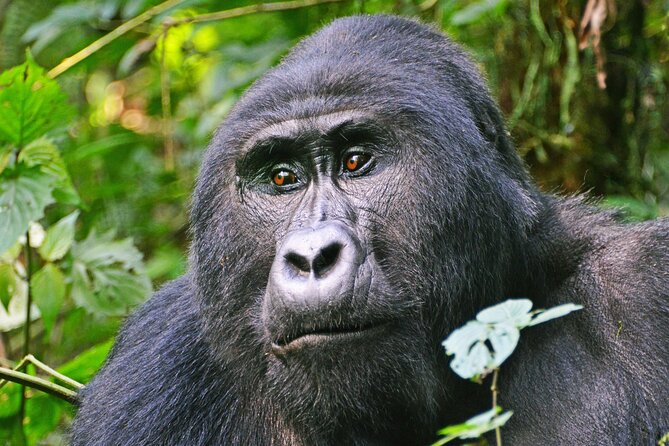
- Bwindi gorilla odds, in the real habitat: Bwindi is home to roughly 459 mountain gorillas.
- A guided Day 2 plan: you get a ranger briefing, then a trek that can take 2 to 7 hours, with up to a 1 hour viewing after contact.
- Small group size (max 7): easier pacing on treks and clearer coordination.
- The route is part of the experience: Igongo Culture Centre lunch on the way in, and an Equator tea and souvenir stop on the way back.
- Wet weather ready: the park’s rainforest and equatorial location mean bring waterproof clothes and hiking boots.
Other gorilla permits and trek operators we have been through
- 3 Days gorilla trekking Safari tour in Uganda
★ 5.0 · 121 reviews - 8-Day Murchison Falls, Chimp and Epic Gorilla Trekking Safari
★ 5.0 · 72 reviews - 5-Day Pearl of Africa Chimps and Gorilla Trekking Safari
★ 5.0 · 52 reviews - 3-Day Tour to Uganda – Gorilla Trekking Bwindi Forest
★ 5.0 · 51 reviews
Bwindi Impenetrable National Park: the rainforest reason this trip is special
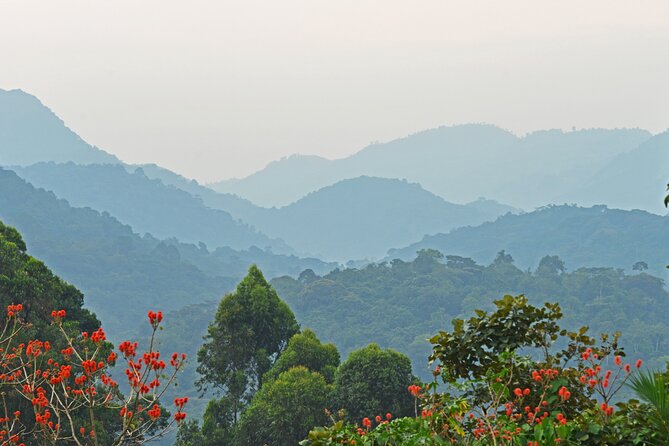
Bwindi Impenetrable National Park sits in southwestern Uganda along the Albertine Rift valley and near the border with DRC. That location matters because it shapes the weather. The park is hilly and covered with tropical rainforest, and because it is close to the equator, you can expect a wet climate most of the year.
For your planning, this means gorilla tracking is not a neat, dry hike. Even if the air looks calm in the morning, the forest can be slippery and muddy. The good news is that the same rainforest conditions that make the trek challenging also keep the habitat healthy and alive, with plenty of sights and sounds beyond gorillas.
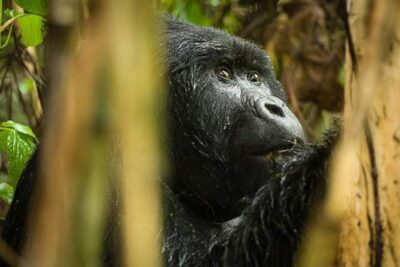
Most importantly, Bwindi is famous for a reason. The tour notes that the park holds about half of the world’s mountain gorillas, roughly 459 total. When you are paying for a gorilla safari, you want a real chance at seeing them in the stronghold habitat, not just a hope.
The 3 day structure: why this safari is paced the way it is
This is not a rushed same-day excursion. The rhythm of the itinerary gives you a chance to adjust, sleep, and focus on the gorilla day.
Day 1 is all about the move from Kampala toward the Rushaga area. It includes a lunch stop in Mbarara and a scenic drive through Kabale District. After you check in at Rushaga Gorilla Camp, you get dinner and an overnight. That’s a key value because you do not start the trek day 2 straight from Kampala.
Day 2 is the main event. The plan is an early breakfast, then transport to the ranger post for briefing at around 8:00 am, followed by ranger guided gorilla tracking. The time range is wide because gorillas move. The tour states the search can be 2 to 7 hours, and then you get about 1 hour observing the family once you locate them.
Day 3 is the return drive. You head back toward Kampala or Entebbe, with lunch again in Mbarara, and a stop at the Equator for tea or coffee and souvenir shopping. It feels like a gentle reset after the forest day, even though you still have road time.
If you like wildlife days with a clear framework, this pacing fits. If you hate early starts or long drives, you’ll want to think hard about whether this format matches your travel style.
Day 1 from Kampala to Rushaga: Mbarara culture lunch and Kabale views
On Day 1, you leave Kampala in the early morning, after breakfast, with pickup and driver transport into southwestern Uganda. The itinerary lists this day as around 8 hours, and in practice it will likely feel like a full moving day.
A standout stop is lunch at Igongo Culture Centre in Mbarara. Even if you are not a big museum person, this kind of scheduled meal stop is practical. It breaks up the drive and gives you a place to stretch before the final stretch into the Bwindi region.
After Mbarara, you continue through Kabale District, passing villages and cultivated farms, with scenic stretches along the way. Then you reach Rushaga in Bwindi Impenetrable National Park, check in at Rushaga Gorilla Camp, enjoy dinner, and sleep.
Here’s what I like about building Day 1 this way. You get one long travel segment, then you arrive, settle, and protect your energy for the gorilla day. The biggest consideration is that travel day 1 is not short or gentle, so if you are prone to motion sickness or you dislike long car rides, pack for it.
More ways into the Bwindi forest, compared


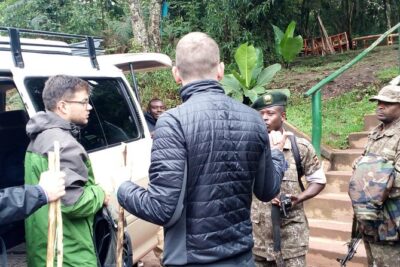
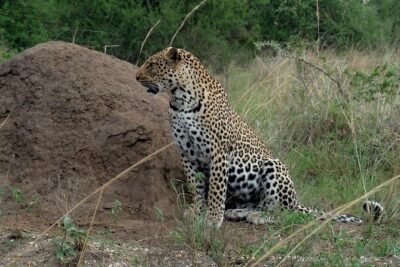
Day 2 gorilla tracking: ranger briefing at 8:00 and a trek that sets the pace
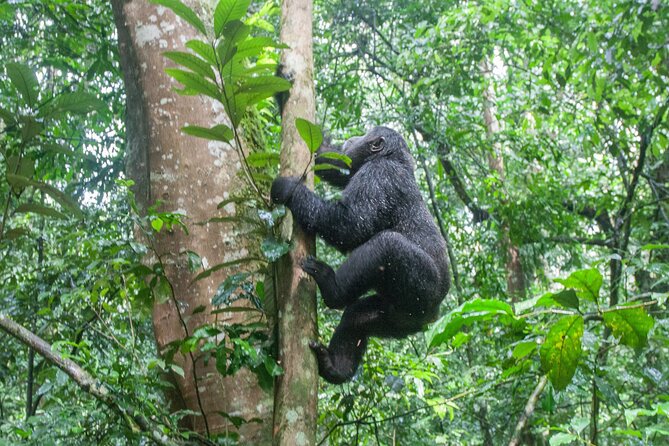
Day 2 starts with early breakfast, then you head out with packed lunch to the ranger post. The briefing is scheduled around 8:00 am, with ranger leadership taking over after that.
Then comes the part that shapes your whole day. The itinerary is clear that tracking can take 2 to 7 hours. In the overall trip description, it also notes the trek can last even longer, up to about 8 hours, depending on where the gorillas are. That wide range is not a marketing trick, it is how gorilla tracking works in dense forest.
What you can do with that information is adjust your expectations. Instead of thinking of the day as a fixed timeline, think of it as a forest day that might be short, or might be long. If it turns out to be long, your best strategy is mental. Focus on small moments along the way, movement in the trees, birds calling overhead, and the relief of reaching any break point you can.
One of the most praised pieces of similar safaris with Weitz Safaris is smooth guiding and real care with the plan. In a family trip, Herbert was credited with arranging a strong itinerary, and a guide named Dalson received praise for being cool, knowledgeable, and ensuring the best experience. Even without assuming any one guide for your date, that matters. It suggests the company pays attention to matching the day to the clients, not just running a checklist.
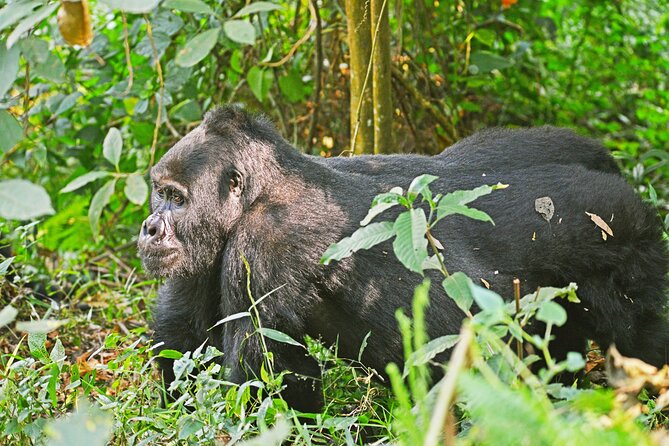
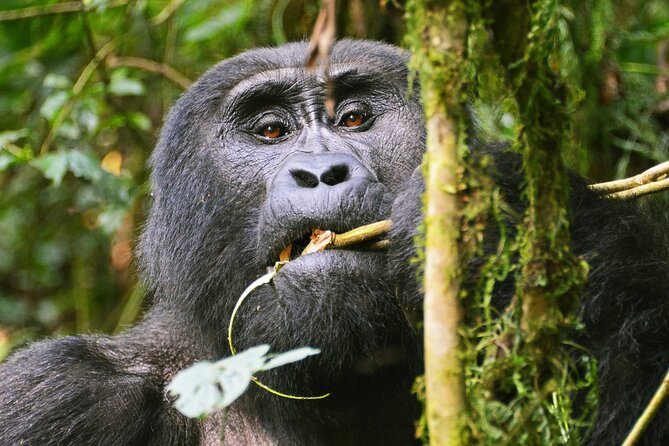
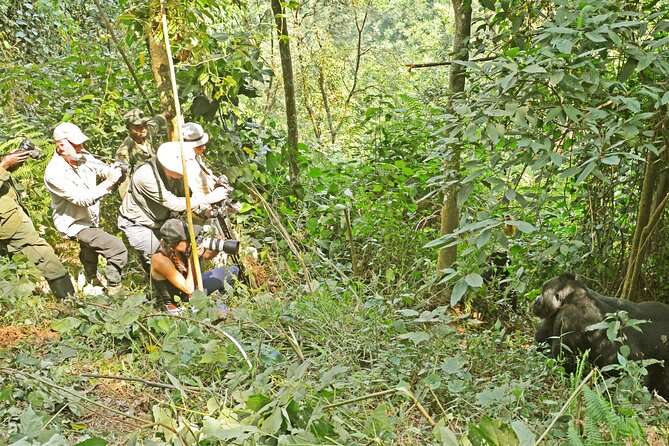
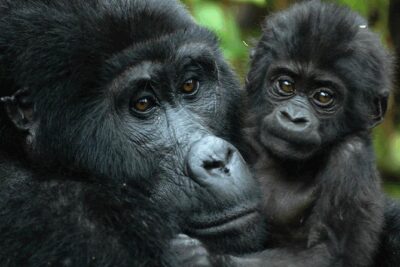
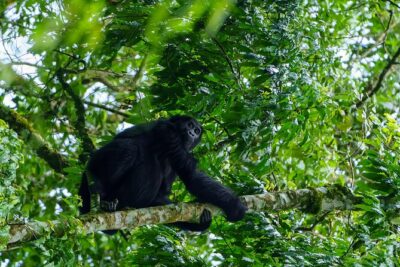
When you finally locate the gorillas, the itinerary states you are allowed to spend 1 hour observing them. The notes in the trip overview describe them communicating with grumbling calls, playing, and even copulating during that time. That is your emotional anchor. The hours of tracking are for this block of time, when you get to watch real behavior in the gorilla family setting.
The main consideration on Day 2 is fitness plus comfort in wet terrain. You should show up ready to walk uphill, across streams, and on forest paths that can be slick. This is not the day to be stubborn with footwear.
Your one hour with the mountain gorillas: what to expect and how to make it count
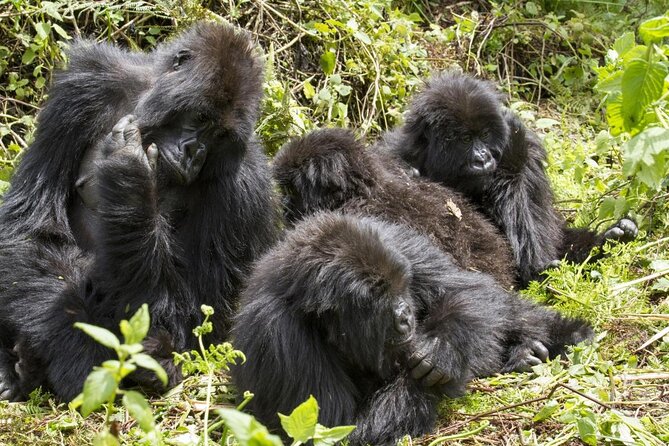
Once you reach the gorillas, the schedule tightens. You do not get to rush. You also do not want to waste your moment scrolling through everything except the scene in front of you.
The itinerary gives you a clear structure: after tracking, you get about an hour observing. The trip overview highlights that this can include grumbling communication, play, and copulating. In other words, it is not just a quick sighting. It is a window into a family moment.
If you want to make that hour feel full, a good approach is to give yourself mental permission to slow down. The tracking can feel intense, then suddenly you are in a quieter, more intense kind of attention. You might notice how the animals interact with each other. You might also notice the forest sounds around you change once the group is nearby.
The other thing to keep in mind is that everyone experiences the hour a little differently depending on where the gorillas are in the moment and how the group is moving. You cannot control the behavior. You can control how you show up, by being patient and steady.
Day 3 back toward Kampala or Entebbe: the Equator stop and a calmer travel finish
After breakfast, Day 3 is the return. The itinerary brings you back toward Kampala, with an option to finish in Entebbe. You stop in Mbarara for lunch again, then continue after Masaka town.
A fun part of the route is the Equator tea or coffee break, plus souvenir shopping. This is a classic Uganda road trip moment, and it turns the long drive into something with a mini goal. You also get a chance to stretch your legs without rushing.
If you’re continuing onward, the itinerary says you can be dropped at the airport after refreshing from the guesthouse. If you’re staying in Kampala or Entebbe, the plan is to bring you back to the hotel of your choice for overnight.
Day 3 is still a travel day, but it feels more like a wrap up than the big build up of Day 1. The gorilla day is the emotional high point, and this day gives you time to come back to regular rhythms before your next leg.
Weather, packing, and fitness: how to set yourself up for Day 2
This safari is built around a hilly rainforest. That sentence sounds simple until you are actually stepping in wet soil and climbing. The trip overview says to come with waterproof clothes and hiking boots. I’d treat that as the non-negotiable list.
Here’s what you should plan for:
- Waterproof layer: rain can happen year round in Bwindi, and the hike is in a rainforest environment.
- Hiking boots: shoes with traction matter more than you think once paths get muddy.
- Strong physical fitness: the tour explicitly says travelers should have a strong physical fitness level.
- A rain friendly mindset: even if rain is lighter around June and July, you can still get wet.
Also, remember the tracking time can be 2 to 7 hours, with the possibility of longer days. That is where fitness becomes safety. You want your legs to handle the repeated up and down, not just one steep burst.
The best way to enjoy the day is to prepare for the trek as the main event, not just the time after you find gorillas. When you are comfortable and stable on your feet, the entire experience feels more like an adventure and less like a test.
Price and value at $2,320 per person: what you are really paying for
This safari lists a price of $2,320.00 per person and runs about 3 days. At this level, value is not about getting a cheap deal. Value is about what you are buying: access, planning, and the hard parts handled for you.
A key clue is that the itinerary lists Admission Ticket Free. While the exact included items are not fully spelled out here, it does suggest that the core gorilla related access is part of what you pay for. You are also paying for a guided Day 2 experience with ranger briefing and ranger led tracking, plus the transport and the overnight stay at Rushaga Gorilla Camp high end accommodation.
You are also paying for time. One of the most practical costs in gorilla safaris is simply the logistics and the early start pressure. This itinerary builds in an early start, morning briefing, packed lunch for the tracking day, and a realistic return day with stops.
The small group size helps value too. With a maximum of 7 travelers, the experience is less like a factory tour and more like a shared expedition with space to breathe.
The drawback, from a value angle, is that you cannot treat this like a casual holiday. If you want a relaxed vacation with short walks, you’ll feel the mismatch.
Guides, service, and why professionalism shows up on safari
On safaris like this, professionalism matters because the forest does not run on your schedule. When things are uncertain, the guide team has to be calm and organized.
In Weitz Safaris related feedback, Herbert is credited with arranging a fantastic safari for a family of four. In another account, Dalson is praised as a guide who was cool, knowledgeable, and ensured the best experience. Those names matter to me because they signal continuity of service, not just a one-off driver.
Also, one reviewer credited Billy’s idea for gorilla tracking and called it the best experience in years. That kind of comment usually means the trip had enough flexibility to match the group’s interests and deliver on the big moment.
What you should take from this, as a decision maker, is that this safari is guided in the important places: the ranger briefing, the tracking process, and the transport schedule around Bwindi.
Should you book this Bwindi gorilla tracking safari?
Book it if you want the classic Bwindi experience with a structured Day 2 built around ranger guided tracking and a real chance at locating gorillas in a gorilla stronghold. You’ll likely love the mix of a serious forest day plus supportive service, and you’ll enjoy the road stops that make the travel days feel less like dead time.
Skip it or consider a different style if you know you struggle with long hikes, steep terrain, or wet conditions. This is not a comfort-first walk. You also need to be okay with the reality that the tracking window can stretch out.
If you’re ready for a true mountain gorilla safari in Bwindi, this 3 day format is a strong match because it protects your energy, keeps the group small, and centers the whole trip on the hour you will spend watching gorillas close up in their habitat.
FAQ
FAQ
Where does this safari start?
It starts in Kampala, Uganda.
How long is the safari?
It is a 3 day guided safari, with the drive portion listed as about 8 hours on Day 1 and a return described for Day 3.
What is included in the experience package?
You get guided gorilla tracking at Bwindi Impenetrable National Park, pickup is offered, and a mobile ticket is included. The itinerary also lists admission ticket free.
How big is the group?
The tour has a maximum of 7 travelers.
How physically demanding is gorilla tracking in Bwindi?
The tour advises that travelers should have a strong physical fitness level. Tracking can take 2 to 7 hours depending on where the gorillas are, and it may last up to about 8 hours.
How long do you spend observing the gorillas?
Once the gorillas are located, you are allowed to spend about 1 hour observing them.
What kind of weather should I plan for?
Bwindi has a wet climate throughout the year because of the rainforest and its closeness to the equator. Rain is often less in June and July, but waterproof clothing is still recommended.
What should I pack?
The trip advises waterproof clothes and hiking boots for tracking in Bwindi’s wet, hilly rainforest.
Will I be taken back to my hotel or the airport?
On the last day, you will be brought back to your hotel of choice in Kampala or Entebbe for overnight. If you are continuing your trip elsewhere or flying out, you will be taken to the airport for check in after refreshing from the guesthouse.
What is the cancellation policy?
Free cancellation is allowed, and you can cancel up to 24 hours in advance of the experience for a full refund. Canceling less than 24 hours before the start time means no refund.
Other Uganda Parks
Still Set on Bwindi?


Gorilla Treks, Three More Ways
Other Uganda trips we have written up
- 7-Day Uganda Adventure Safari – Midrange Lodges★ 5.0 · 3 reviews
- 5 days gorillas and chimpanzee tracking★ 4.5 · 3 reviews
- A Thrilling 1-Day Rhino Tracking Tour in Uganda★ 5.0 · 3 reviews
- 3 Days Murchison Falls Wildlife Safari★ 4.5 · 3 reviews
- 10 Day Gorilla Chimps and Big 5 Safari★ 5.0 · 3 reviews
Gorilla Trekking Safaris, compared.
 ★ 5.03 Days gorilla trekking Safari tour in UgandaFrom $2,600121 reviews
 ★ 5.08-Day Murchison Falls, Chimp and Epic Gorilla Trekking SafariFrom $3,59872 reviews
 ★ 5.05-Day Pearl of Africa Chimps and Gorilla Trekking SafariFrom $2,17152 reviews
 ★ 5.03-Day Tour to Uganda – Gorilla Trekking Bwindi ForestFrom $1,11051 reviews
 ★ 5.0Gorilla Tracking & Batwa Culture ExperienceFrom $2,84040 reviews
 ★ 5.04-Day Uganda Gorilla Trekking and Wildlife SafariFrom $2,45037 reviews
 ★ 5.0Private 3 Day Gorilla Trekking Safari in UgandaFrom $3,32636 reviews
 ★ 5.08-Day Murchison Falls, Chimp and Epic Gorilla TrekkingFrom $12,00032 reviews
Browse the lists this tour appears in